We hear it all the time. At the practice. On the school run. Up on Ilkley Moor. Little bits of “dental wisdom” that sound right—but aren’t.
Some myths are harmless. Others can cost you time, money, and comfort.
At Regent Dental in Ilkley, we prefer clear, kind advice you can use straight away. So let’s set the record straight. Simply. Honestly. With everyday life in mind.
Myth 1: You only need a dentist when something hurts
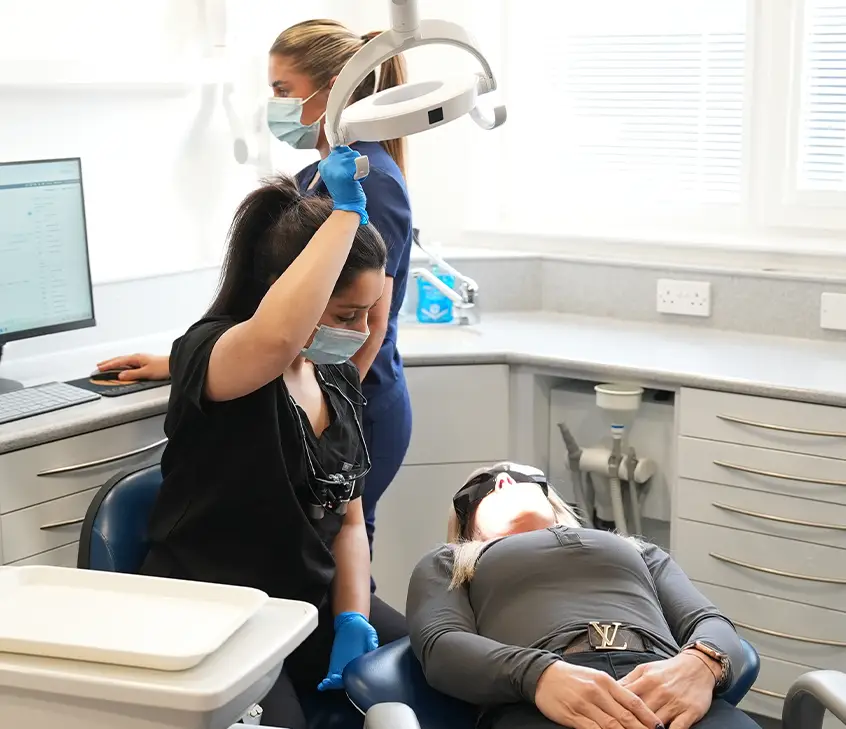
If it hurts, it’s often late. Problems like decay and gum disease build quietly. Regular check-ups (usually every 6–12 months, tailored to you) help us spot issues early.
We can pick up the first signs of decay, inflamed gums, and even oral cancer—long before you’d notice. Like a car service. A small fix now saves a major repair later.
A check-up isn’t just a quick look. We assess your gums, bite, restorations, soft tissues, and habits—snacking, grinding at night, contact sports. Then we plan care that fits your risk and your routine. Easy. Calm. Useful.
Myth 2: Brushing harder cleans better
Force isn’t your friend. Pressing too hard can wear enamel and make gums shrink back. That means sensitivity and root exposure.
Use a soft brush or an electric brush with a pressure sensor.
Angle the bristles at 45 degrees to the gumline.
Small circles.
Two minutes. Twice a day.
Clean isn’t about brute strength. It’s about technique and time.
A quick test: look at your brush. If the bristles splay out, you’re pressing too hard. Gentle wins.
Myth 3: Sugar is the only cause of cavities
Sugar plays a big part. Bacteria in your mouth turn it into acid. But there’s a twist. Frequency matters more than how much.
Little and often snacking keeps acid levels high for longer. Starchy foods—crisps, crackers, dried fruit—stick and feed bacteria too. The fix?
Rinse with water after snacks.
Save sweets for mealtimes when your saliva is already flowing.
Use fluoride toothpaste (1450 ppm) to harden enamel and fight demineralisation.
Small Ilkley tip: love a cuppa? Watch the sugar in your tea. And go easy on fizzy drinks. Even “diet” versions are acidic.
Myth 4: Teeth whitening damages enamel
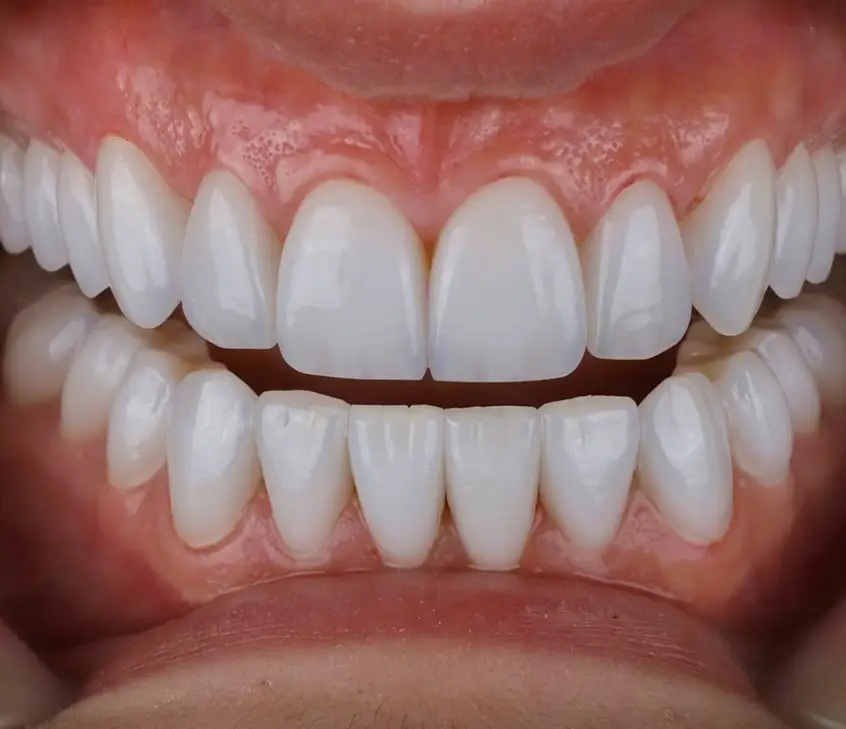
Done right, it’s safe. Professional whitening at a regulated dental clinic in Ilkley uses controlled gels in custom trays (or in-surgery). We follow UK-legal concentrations. The enamel stays intact.
You may feel sensitivity for a short time. We plan for that with desensitising gels and sensible pacing.
DIY kits bought online? Risky strengths, poor fit, patchy results. If you’re curious about teeth whitening in Ilkley, come in for advice that matches your teeth, your goals, and your calendar.
The result you want? A natural, brighter shade that still looks like you.
Myth 5: If you brush well, you don’t need to floss
Brushing cleans the fronts and backs. But not the bits in between. That’s where floss or interdental brushes help. They break up plaque between teeth and around the gumline—where decay and gum disease often start.
Daily is ideal.
Go slow.
Start small.
Pick the right size of interdental brush for each space.
If you miss a day, don’t stress.
Just start again.
Consistency beats heroics.
Tip: do it before you brush at night. That way the fluoride can reach those newly cleaned surfaces.
Myth 6: Baby teeth don’t matter—they fall out anyway
They matter. A lot. Baby teeth help children chew, speak clearly, and smile with confidence. They hold space for adult teeth. Decay in baby teeth can cause pain, infection, and future crowding.
Start early:
A smear of fluoride toothpaste from the first tooth.
A pea-sized amount from age three.
Gentle brushing twice a day.
Friendly check-ups to build good habits.
Keep visits short and upbeat.
Little ones copy what they see—especially when it feels normal and calm. Parents, you set the tone. Praise the effort, not perfection.
Myth 7: Bad breath only means poor hygiene
Sometimes it’s brushing. Often it’s more complex. Persistent bad breath can come from gum disease, dry mouth, tonsil stones, sinus problems, reflux, some medicines, or not drinking enough water.
We check your gums, reduce stubborn plaque, and look for the root cause. We’ll help you get a routine that sticks. Fresher breath is nice, yes. But it’s also a sign your mouth is in balance.
Simple wins: clean your tongue gently, sip water often, and don’t skip those interdental areas.
Myth 8: Dental treatments are always painful
Modern dentistry is different. Local anaesthetic is very effective. Numbing gels help, too. With careful technique, most treatments are comfortable.
Nervous about it? You’re not alone. We take our time, explain each step, and check in often. We can pause. We can distract.
For some patients, sedation options are suitable and safe. The truth? The worry before the visit is usually worse than the appointment. You stay in control. We go at your pace.
Bring headphones if you like. A favourite playlist helps.
Myth 9: Skip the dentist if you’re pregnant
Please don’t. Gum tissues can react more during pregnancy because of hormone changes. Early care keeps you comfortable and well. Routine care is safe, and urgent treatment can be planned with care. We’ll time appointments around your trimesters, keep things simple, and work with your midwife or GP if needed. Healthy gums support a healthy you.
If morning sickness is a problem, don’t brush straight after vomiting. Rinse with water or a fluoride mouthwash first. Then brush later to protect enamel.
Myth 10: You can’t get decay under crowns or fillings
You can. Crowns and fillings protect teeth, but the edges are still natural tooth. Plaque can stick there and cause decay—especially near the gumline.
Clean carefully around crowns and between teeth every day. Use floss or interdental brushes to reach the margins. Regular check-ups help us monitor the fit and seal. A tiny repair now beats a bigger job later. Every time.
If something feels rough or catches food, tell us. Small clues matter.
Bringing It All Together
Myths spread fast. Good habits last longer. If you remember one thing, make it this: prevention is powerful.
Small, steady actions—smart snacking, daily cleaning, regular check-ups—protect your smile for years. And if you’re unsure about something you’ve heard, ask us. We’re here to help, not to judge. Clear answers. Calm care. Practical tips you can use today.
About Regent Dental, Ilkley
Regent Dental is a modern, welcoming dental clinic in the heart of Ilkley. We care for busy families, first-time visitors, and long-time locals. We offer preventive care, restorative treatments, and cosmetic options, including professional teeth whitening and smile makeovers.
Our Ilkley dentists use up-to-date technology and gentle techniques to deliver precise work with a reassuring touch.
Need a routine check-up? Thinking about whitening? Got a niggling tooth that won’t settle? We’ll tailor care to you—your goals, your schedule, your budget. Pop in, give us a ring, or book online via our website. We’ll make it straightforward from the first hello.
Because a healthy smile shouldn’t be complicated. It should just feel like you.
Conclusion
Dental myths can be stubborn, but the truth is simple: steady habits and timely care make the biggest difference. Look after your mouth each day, see us regularly, and choose advice you can trust.
That’s how you keep your smile strong, comfortable, and confident—on the school run, at work, and everywhere life takes you.