
Root Canal Treatment in Ilkley
At Regent Dental in Ilkley, root canal treatment may be recommended when the soft tissue inside a tooth becomes infected or inflamed. The aim is to remove infected tissue, clean and seal the root canal system, and help preserve the tooth where possible.
Your dentist will assess your symptoms, take X-rays where needed and explain whether root canal treatment, restoration or another option is most suitable. Local anaesthetic is used during treatment, and aftercare advice will be provided to support healing.
We’re proud to support patients across Ilkley, Keighley, Skipton,
Otley, and Silsden, offering trusted endodontic care throughout West
Yorkshire. If you're experiencing toothache, swelling, or
sensitivity, don't wait—contact Regent Dental today and let us help
you protect your smile.
Dental Care You'll Love
Treating Infection Inside a Tooth
Root canal treatment is used to treat infection or inflammation inside the tooth. Tooth pain is often caused by the infection itself, rather than the treatment. During the procedure, your dentist removes the infected or damaged pulp tissue, cleans the root canal space and seals it to help preserve the tooth where possible.
The pulp inside a tooth contains nerves and blood vessels. It can become infected because of deep decay, cracks, trauma or repeated dental treatment. If infection is left untreated, it may spread, cause swelling or an abscess, and in some cases the tooth may need to be removed.
How Root Canal Treatment Works
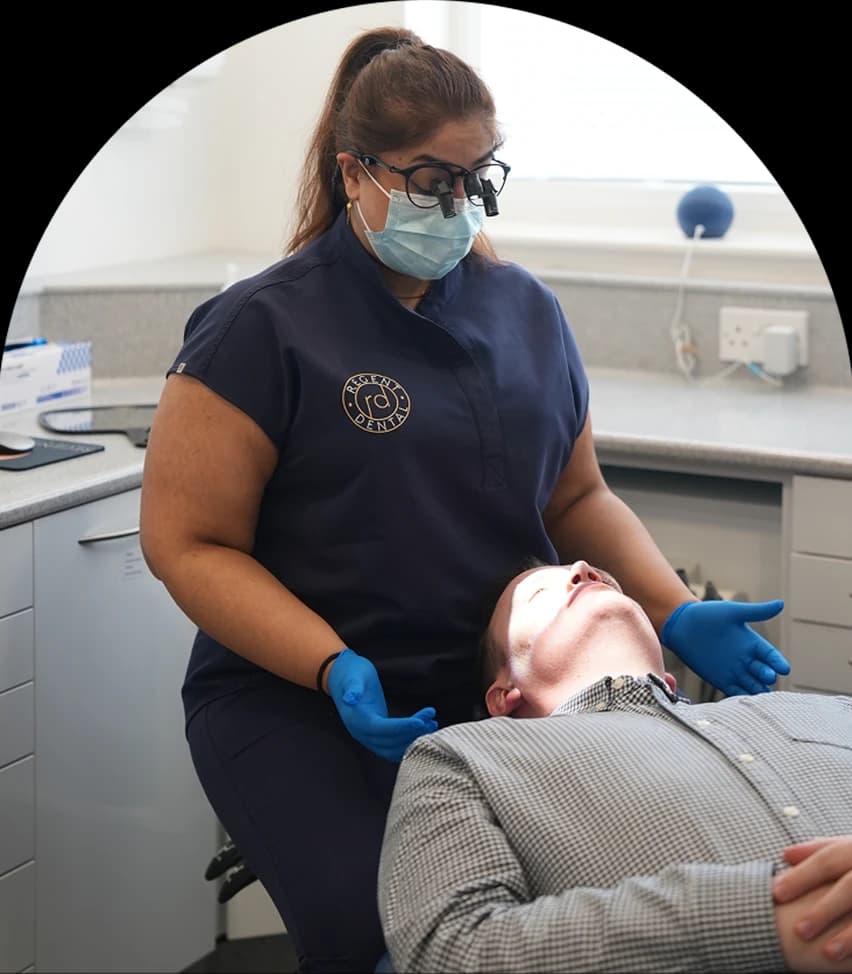
Your dentist will explain the procedure before treatment starts. Magnification, X-rays and local anaesthetic may be used to support careful diagnosis and treatment planning.
Diagnosis
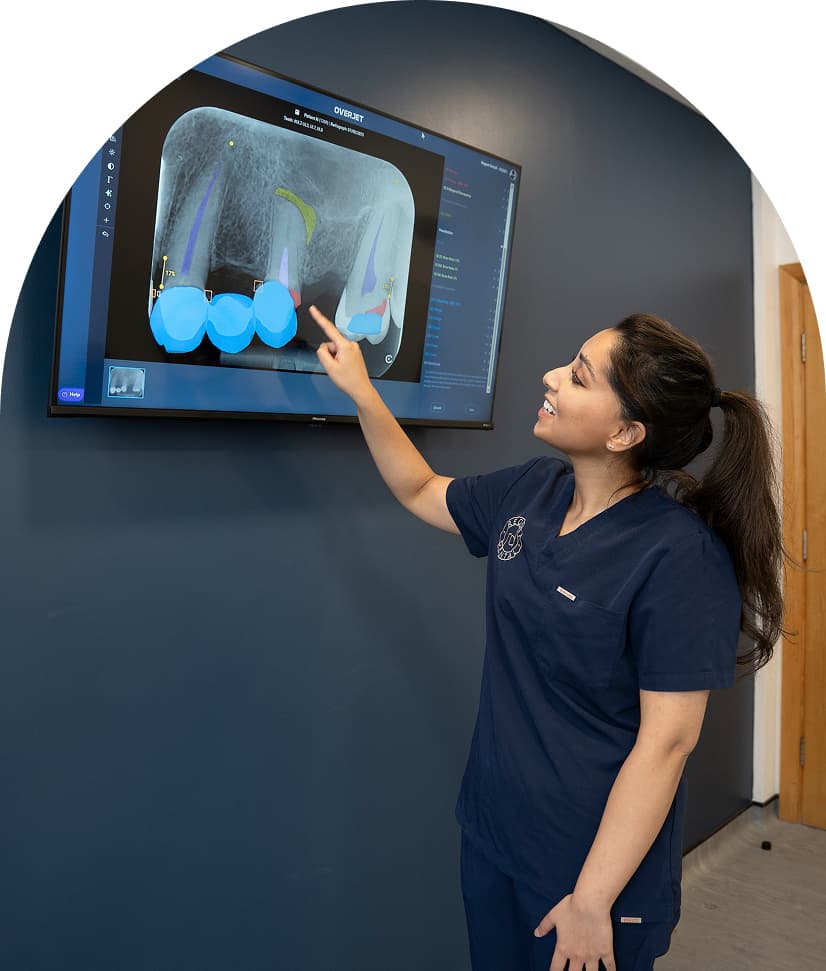
Your dentist will examine the tooth, discuss your symptoms and take X-rays where needed to assess the root, surrounding bone and signs of infection.
Anaesthesia
Local anaesthetic is used to numb the tooth and surrounding area before treatment begins. You may still feel pressure or vibration, but your dentist will explain what to expect.
Removing the Infection
The infected pulp is carefully removed, the root canal is cleaned and shaped, preparing it for a filling.
Filling the Tooth
The cleaned root canal is filled and sealed with a material that prevents bacteria from re-entering.
Restoration
A filling or crown may be recommended after root canal treatment to protect the tooth and restore function. Back teeth often need additional protection because they handle heavier biting forces.
The Regent Dental Experience
Aftercare and Recovery
Some tenderness or sensitivity can occur for a few days after root canal treatment, especially when biting. This usually settles as the tooth and surrounding tissues recover. Your dentist will explain pain relief, eating advice and when to contact the practice. If a final filling or crown is needed, it is important to complete this stage to protect the tooth.
Saving your Tooth matters
Root canal treatment can help preserve a natural tooth that might otherwise need to be removed. Long-term success depends on the condition of the tooth, the quality of the final restoration, oral hygiene, bite forces and regular dental reviews.


When to Seek Help for Tooth Pain
Contact Regent Dental if you have persistent toothache, pain when biting, prolonged sensitivity to hot or cold, swelling, a gum boil, a darkened tooth or discomfort that wakes you at night. These symptoms do not always mean you need root canal treatment, but they should be assessed promptly.
Root Canal Treatment or Tooth Removal?
Root canal treatment aims to preserve your natural tooth where possible. In some cases, extraction may be more appropriate if the tooth is severely cracked, has too little healthy structure remaining, or cannot be restored predictably. Your dentist will explain the options, risks and likely next steps before treatment begins.
Why Choose Regent Dental for Root Canal Treatment?
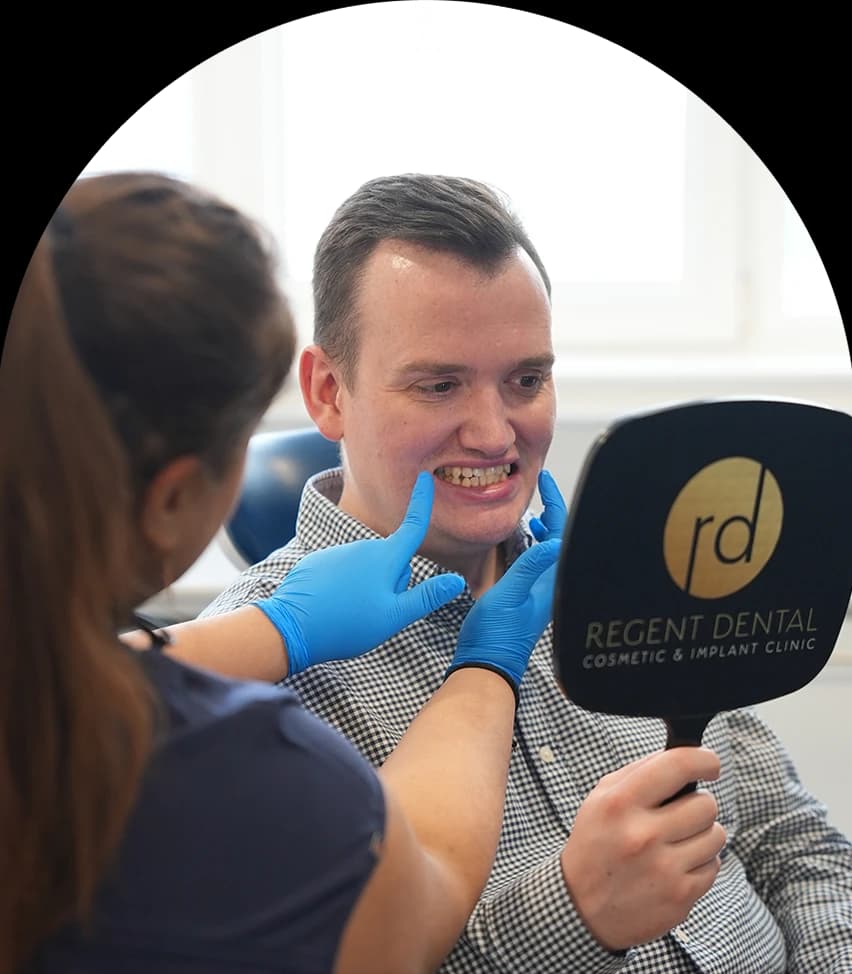
We understand that root canal treatment can feel daunting. Our team will explain each stage clearly, assess your tooth carefully and discuss the options before treatment begins.

Local Anaesthetic and Clear Explanations: Local anaesthetic is used during treatment, and your dentist will explain what you may feel at each stage.
Advanced Technology: We use modern tools and the latest equipment to make your root canal quick, accurate, and as smooth as possible. This means less time in the chair and better results.
Tooth Preservation Where Possible: Root canal treatment may help preserve a tooth that would otherwise need removal, depending on the level of damage and whether the tooth can be restored.
Support for Nervous Patients: Please tell us if you feel anxious. We can talk you through the appointment and adapt the pace where possible.
Clear and Fair Pricing: We believe in honest pricing with no hidden costs. You will always know the cost before we start, and we offer flexible payment options to help you plan your care easily.
Final Restoration and Review: We explain whether a filling or crown is needed after treatment and how to care for the tooth long term.