
Healthy gums don’t make a fuss. They just keep your smile steady, your breath fresh, and your bite comfy. Check-ups matter, of course. But here’s the truth: what you do at home, every single day, makes the biggest difference. Skip the basics and plaque builds. Gingivitis creeps in. Leave it longer and gum disease can follow. And that can affect more than your mouth.
The good news? Small daily habits keep gums calm, pink, and happy. Real-life routines that slot into busy days. Little changes. Big wins. Here are seven that work—plus a few tips we share with patients all the time.
1) Brush Smart, Not Hard
You’re not scrubbing tiles.
Think gentle, not forceful.
Use a soft-bristled brush and small circular moves along the gumline.
Twice a day.
About two minutes.
Tilt the bristles towards the gum edge so they sweep where plaque sits.
Let the brush do the work.
Electric brushes are handy if you rush the clock—the timer keeps you honest—and they remove plaque well without heavy pressure.
Don’t forget the back teeth and the inside surfaces.
Swap your brush head every three months, or sooner if the bristles splay.
Frayed bristles don’t clean.
They just tickle.
If your gums bleed, ease up on pressure and keep going.
Bleeding is a sign to improve technique, not to stop.
2) Clean Between Your Teeth Every Day
Your toothbrush can’t reach those tight little gaps.
Plaque can—and it loves them.
That’s why interdental cleaning is the habit that changes everything.
In the UK, many people use interdental brushes.
Pick the largest size that slides in without forcing.
You may need a couple of sizes for different spaces.
Prefer floss? Curve it into a C-shape and hug each tooth, up to and under the gum edge.
Braces, bridges, or tight contacts? A water flosser can help and is easy to use.
Daily is the aim.
Morning or night—your call.
Do it when you’re most likely to stick with it.
You’ll feel the difference within a week.
So will your gums.
3) Rinse With Purpose (And The Right Rinse)
Mouthwash can be a smart extra, not a swap for brushing or interdental cleaning.
An alcohol-free antiseptic rinse helps reduce the bacteria linked to gum disease.
Look for essential oils or CPC on the label.
They can lower plaque levels when used as directed.
Sore gums? This can calm things down.
Chlorhexidine is very effective, but it’s for short-term use under professional advice.
It can stain and may change taste if overused.
Dry mouth? Skip alcohol-based rinses—they can make dryness worse.
A simple tip: don’t rinse with water right after brushing if you’re using fluoride toothpaste.
Spit, don’t rinse.
Let the fluoride sit and do its job.
4) Eat For Your Gums (And Your Body Will Thank You)
Your gums love a balanced, colourful plate.
Vitamin C supports healing—think berries, peppers, and leafy greens.
Calcium and vitamin D help keep teeth and bone strong.
Crunchy veg like carrots and apples are handy after lunch.
They can help shift soft plaque when you can’t brush.
Try to avoid frequent sugary snacks.
Grazing on biscuits or sweets keeps plaque bacteria fed all afternoon.
Love a cuppa? Enjoy it, but go easy on sugar.
Prefer a treat after meals? Sugar-free gum with xylitol helps boost saliva and balance acids.
Small swaps add up.
Your gums, your teeth, and your energy levels will thank you.
5) Drink More Water—simple But Powerful
Saliva is your mouth’s built-in defence.
It neutralises acids and washes away food bits.
Water helps saliva do its job.
Keep a bottle at your desk or in your bag.
Sip through the day.
After a curry, a gym session, or a long train ride, a quick drink or rinse with water freshens your mouth fast.
Not a big water fan? Add a slice of lemon or cucumber.
Just avoid constant sipping on fizzy or flavoured drinks—acids can wear enamel and irritate gums.
Water wins.
Every time.
6) Ditch Tobacco (And Think Twice About Vaping)
Smoking is one of the biggest risk factors for gum disease.
It lowers your mouth’s defences and slows healing.
Infections go deeper.
Treatments work less well.
Bleeding can be hidden too, so problems get missed.
Vaping may feel gentler, but it’s not harmless for gums.
Nicotine still affects blood flow and can change the mouth’s bacteria.
Thinking about quitting? It’s not easy, but it’s powerful.
For your mouth and your general health.
We see the difference within weeks—less inflammation, fresher breath, better healing.
Need support? Talk to your GP, local stop smoking services, or ask us at your next visit.
You’re not on your own.
7) Stress Less, Sleep More—and See Your Dentist And Hygienist
When life gets hectic, gums often show it.
Stress can change the immune response and raise inflammation.
It can tip the balance towards gum disease.
Simple habits help.
Regular movement.
Fresh air.
Five minutes of calm breathing.
Better sleep.
Little resets that add up.
And don’t skip your dental check-ups or hygienist visits.
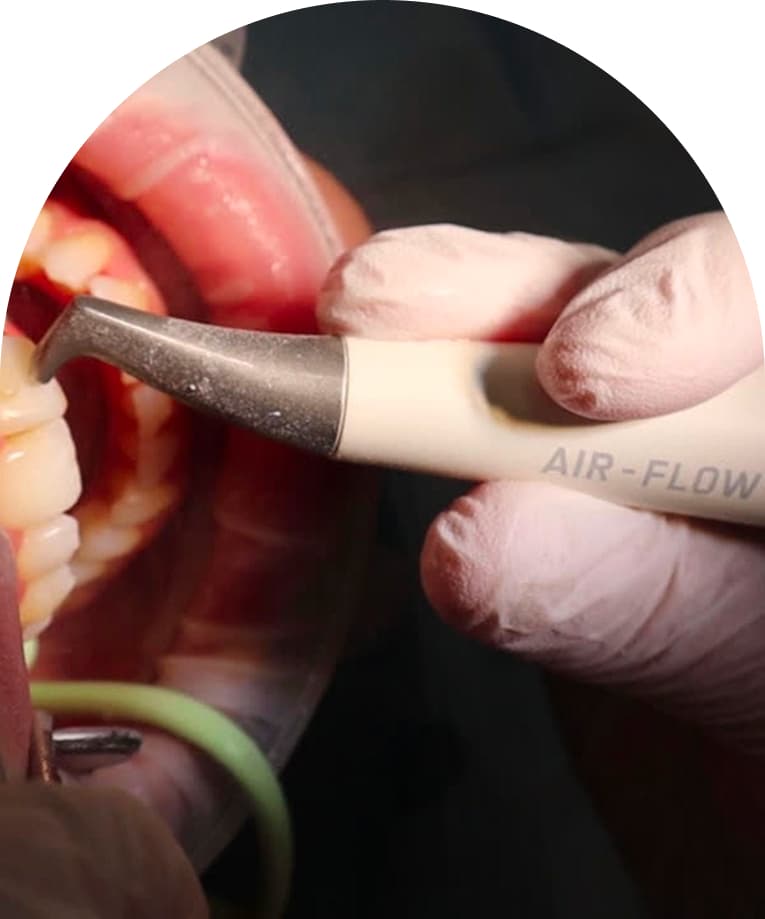
Professional cleanings remove tartar—the hard build-up you can’t shift at home—and catch early gum changes before they snowball.
Some people need more frequent visits.
If you’re pregnant, have diabetes, wear aligners, or notice bleeding when you brush, it’s worth seeing us sooner.
Early care is easier.
And cheaper.
Bringing It All Together
Healthy gums aren’t about perfection. They’re about steady, simple routines you can keep up.
Brush gently.
Clean between your teeth.
Rinse when it helps.
Eat well.
Drink water.
Avoid tobacco.
Manage stress.
Keep your appointments.
Repeat. It doesn’t need to be fancy to work. It just needs to be consistent. With good home care—and advice tailored to you—you can keep gums calm, breath fresh, and your smile feeling confident all year round.
About Regent Dental
Regent Dental in Ilkley is a modern dental and aesthetic clinic focused on comfort, clarity, and great results. Our friendly team provides general, cosmetic, and restorative care, along with gum health assessments, hygienist treatments, and advanced periodontal therapy when needed. We use digital scans and up-to-date techniques to build plans that fit real life.
Whether you need a routine clean, support with bleeding gums, or care around crowns, implants, or aligners, we’re here to help. If you’re looking for a dentist or dental hygienist in Ilkley and want thoughtful, professional care, we’d love to see you. Get in touch to learn more or book your next visit.
Conclusion
Your gums work hard for you every day. Give them a few minutes of care and they’ll repay you with comfort, confidence, and a fresh, healthy smile. Start where you are. Pick one habit and stick with it this week. Then add another. And if you need guidance, the team at Regent Dental is ready to help you keep those gums in great shape between appointments.