 (1).png)
Dental implants have changed how we replace missing teeth. They look natural and feel secure. Still, they are not the first choice for everyone. Bone health, general health, time, budget, and personal preference all play a part. And that is absolutely fine.
At Regent Dental in Ilkley, we put people first. We listen. We examine. Then we match the treatment to your life. In this guide, we compare the main alternatives to dental implants in the UK. Dental bridges and dentures get the spotlight. We also cover mini dental implants and resin bonded bridges for special cases. Clear pros and cons. Plain costs and care. So you can choose with confidence.
Dental Implants In Brief: What Sets Them Apart
Implants are small titanium posts placed in the jawbone. Think of them as new roots for new teeth. Once healed, they hold a crown, a bridge, or even a full denture. They are sturdy and long lasting. They also help protect the jawbone.
There is another side. Implants need enough healthy bone. Treatment takes time and several visits. Upfront costs are higher than other options. For many people they are brilliant. For others they are not the right fit. That is where alternatives help.
Dental Bridges: The Fixed, No Fuss Option
A dental bridge replaces one or more missing teeth by using the teeth next door for support. There are three common types. Traditional bridges, cantilever bridges, and resin bonded bridges, often called Maryland bridges.
Why People Choose Bridges
No surgery. Treatment is usually faster than implants.
Fixed in place. They feel stable through the day.
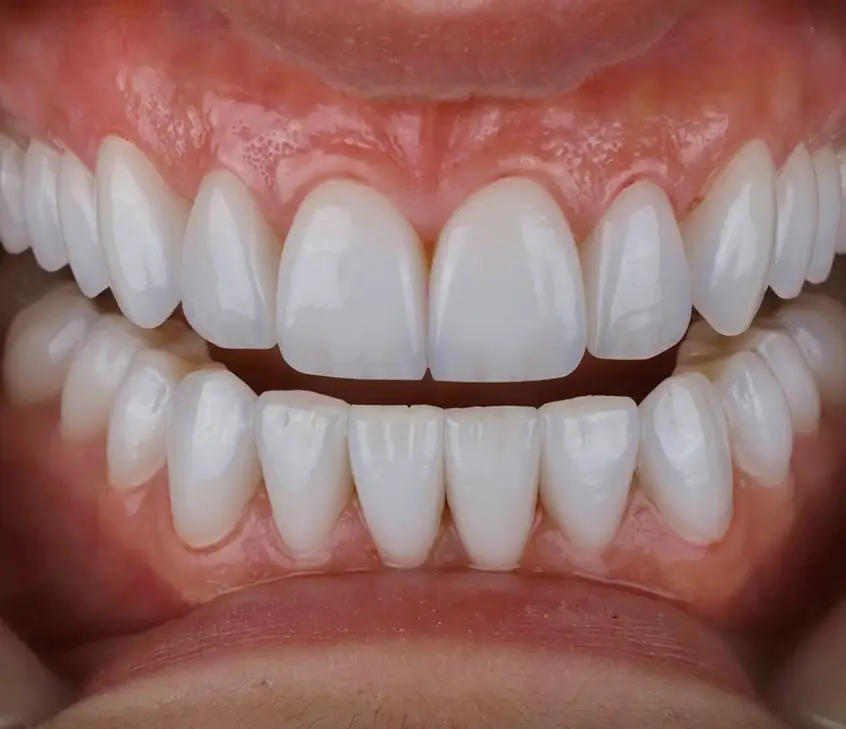
They look natural and restore biting and chewing.
Often more affordable than dental implants in the UK.
What To Weigh Up
The teeth beside the gap need shaping to hold the bridge. This change is permanent.
Bridges usually last 7 to 15 years, then need replacing.
They do not stimulate the jawbone. Bone in the gap can shrink with time.
Who They Suit
Bridges are a strong choice when the teeth beside the gap are sound and well positioned. If those teeth are heavily filled or loose, a bridge may struggle. If you are missing several neighbouring teeth, a bridge may not be best. A full check is key.
Dentures: Tried And Tested, Kinder On The Purse
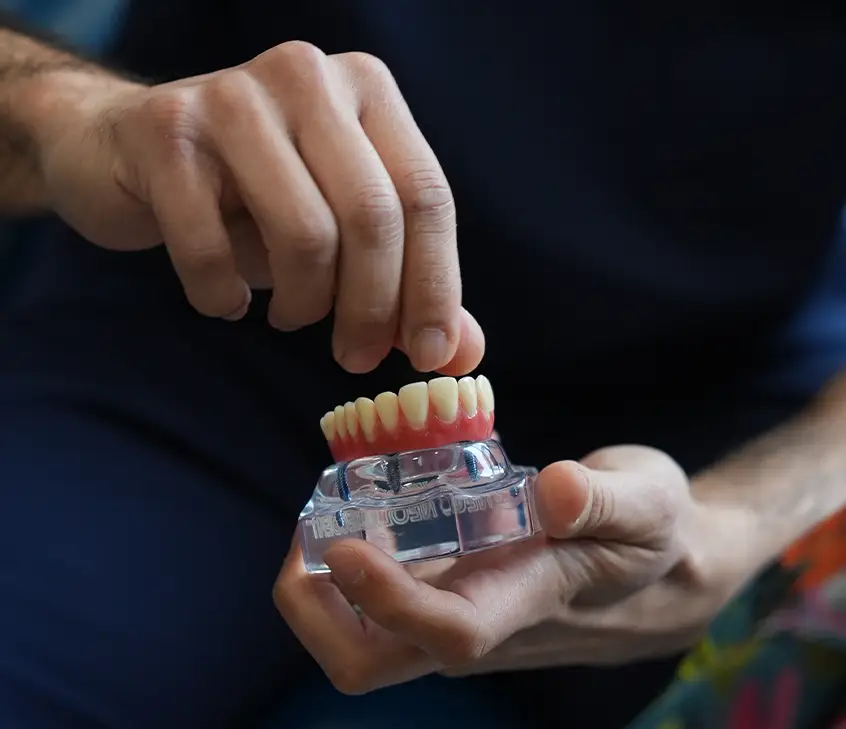
Dentures are removable. A partial denture replaces several teeth. A full denture replaces a whole upper or lower arch.
Why People Choose Dentures
No surgery. Often the most budget friendly route.
Quick to make. Your smile returns fast.
Easy to adjust or replace as your mouth changes.
A good choice for many missing teeth or low bone volume.
What To Weigh Up
They can move. Some people use adhesive for extra hold.
Eating and speaking may take practice at first.
You need to remove and clean them every day.
As bone shrinks with time, the fit can change. Relining may be needed.
Who They Suit
If you have lost many teeth, prefer a non surgical path, or want a flexible option, dentures make sense. They are a calm first step while you consider longer term plans. You can start simple, then build from there.
A Closer Look At Newer Or Niche Options
Sometimes a smaller step is enough.
Mini dental implants. Slimmer than standard implants. Placed with a more conservative procedure. They can stabilise a denture when bone is limited. Not for every case, but for some, a gentle and effective boost.
Resin bonded, Maryland, bridges. A replacement tooth with small wings bonded to the back of the teeth next door. Minimal drilling. Best for front teeth where bite forces are lighter. Discreet and conservative. The bond can loosen with time.
These options are case specific. Your bite, your enamel, your habits, they all matter. An assessment will show if they suit your mouth, not just the theory.
Costs And Care: Think Long Term, Not Just Today
Cost and upkeep often guide the final choice. Private care in the UK varies by region and complexity. West Yorkshire included. Here is the general picture.
Upfront Cost And Lifetime Value
Implants. Higher upfront cost. Excellent longevity and stability. If they suit you, they can pay off over the years.
Bridges. Lower initial spend than implants. Likely replacement every 7 to 15 years, which adds up.
Dentures. Usually the most affordable to start. Expect relines, adjustments, or replacement as your mouth changes.
Day To Day Care
Implants. Brush, floss, and attend regular checks. Much like natural teeth.
Bridges. Clean under and around the bridge every day. Floss threaders or interdental brushes help.
Dentures. Remove, brush, and soak daily. Do not sleep in them. Regular checks keep the fit comfortable.
Here is the thing. Comfort and confidence come from the fit and the routine. A well cared for denture can feel great. A well cleaned bridge can last. It is not only the treatment you choose. It is how you live with it.
How To Choose: A Thoughtful Consultation At Regent Dental
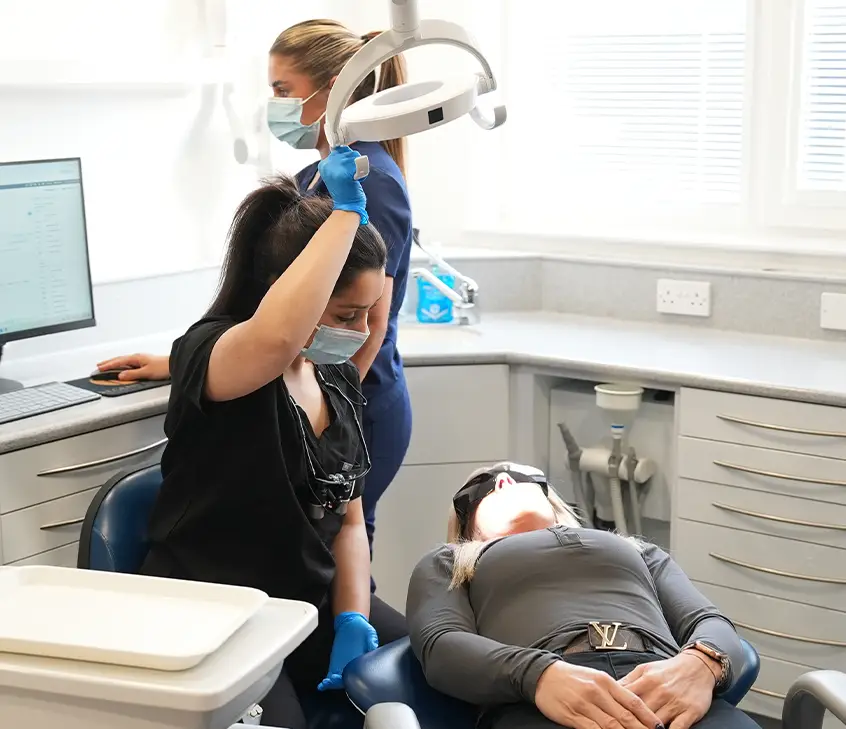
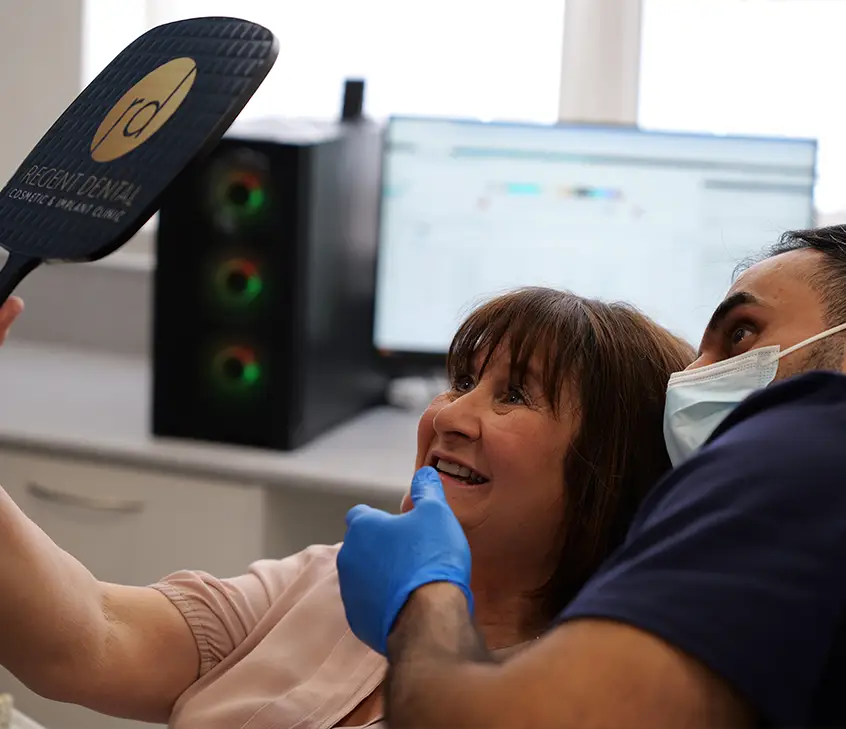
No two smiles are the same. We look at your jawbone, gums, bite, and the condition of your remaining teeth. We listen to how you live. Sunday roasts, hill walks on Ilkley Moor, a quick cuppa on the go. We also discuss budget and timeline.
During your consultation, we will:
Review your oral health with clear diagnostics.
Talk you through dental implants, bridges, dentures, and niche options like mini implants or a Maryland bridge.
Map out treatment stages, costs, and likely maintenance. In plain English.
Our aim is simple. A plan that works for your mouth and your life. Not just on day one, but for years to come.
Bridges Vs Dentures Vs Implants: Quick Pointers
Not sure where to start. Try these prompts.
Do you want fixed teeth that do not come out. Bridges or implants are fixed. Dentures are removable.
Do you want to avoid surgery. Bridges and dentures avoid surgery. Mini implants use a smaller procedure.
Do you have many missing teeth. Dentures may be the simplest start. Implants can anchor a full denture later.
Are the teeth beside the gap strong and well shaped. A bridge could be ideal.
Is your bone thin. Dentures or mini implants may stabilise things, then you can review later.
Lifestyle matters too. A keen curry fan. A lover of crusty bread. A clarinet player. Tiny details shape the best choice. Tell us what you enjoy. We will plan around it.
What To Expect From Treatment Timelines
Implants. Several months from start to finish. Healing time is built in. The reward is a strong, settled result.
Bridges. Often completed in a few weeks. You get a quick return of function and appearance.
Dentures. Also quite quick. Impressions, try ins, then final fit. Adjustments are easy.
This helps with planning. Holidays. Work. Family events. We can schedule around you.
Comfort, Confidence, And Appearance
All three options can look natural. Shade and shape are matched to your smile. Comfort comes with fit and practice.
Implants feel most like natural teeth. They sit in the bone.
Bridges feel fixed and slim. There is no plate on the palate.
Dentures can feel bulkier at first. Most people adapt well. Small tweaks help.
We will guide you through the settling in stage. Little tips make a big difference. Cut food smaller. Read aloud. Try sugar free gum. Old school, but it works.
Common Risks To Consider
Every treatment has risks. We keep them low with planning and care.
Implants. Infection, implant failure, or gum issues. Good hygiene and regular checks reduce risk.
Bridges. Decay on the supporting teeth if cleaning is tricky. Daily cleaning and fluoride help.
Dentures. Sore spots, looseness, or speech changes. Adjustments and relines keep them comfortable.
We talk through these before you decide. No pressure. No jargon.
A Final Word: There Is More Than One Right Answer
Dental implants are a standout solution for many people. They are not the only route to a confident smile. Bridges and dentures remain dependable, less invasive, and budget friendly. Mini implants and resin bonded bridges help in select cases. If you feel unsure, that is normal. Most people do. The best next step is a calm chat with a dentist you trust.
About Regent Dental
Regent Dental is a modern private clinic in Ilkley, West Yorkshire. We blend clinical care with an eye for detail. We provide general, cosmetic, and restorative dentistry. Dental implants, dental bridges, partial and full dentures, and more. All tailored to you.
Ready To Explore The Best Alternative To Dental Implants For Your Smile
Book a consultation with Regent Dental in Ilkley. Take the first step towards a healthier, brighter, very you smile.
Conclusion
Your choice should fit your mouth, your routine, and your budget. Implants, bridges, dentures, and niche options all have a place. The right pick balances comfort, cost, care, and time. Talk it through, ask questions, and try in stages if you prefer. With a clear plan and steady support, you can eat well, smile wide, and feel like yourself again.