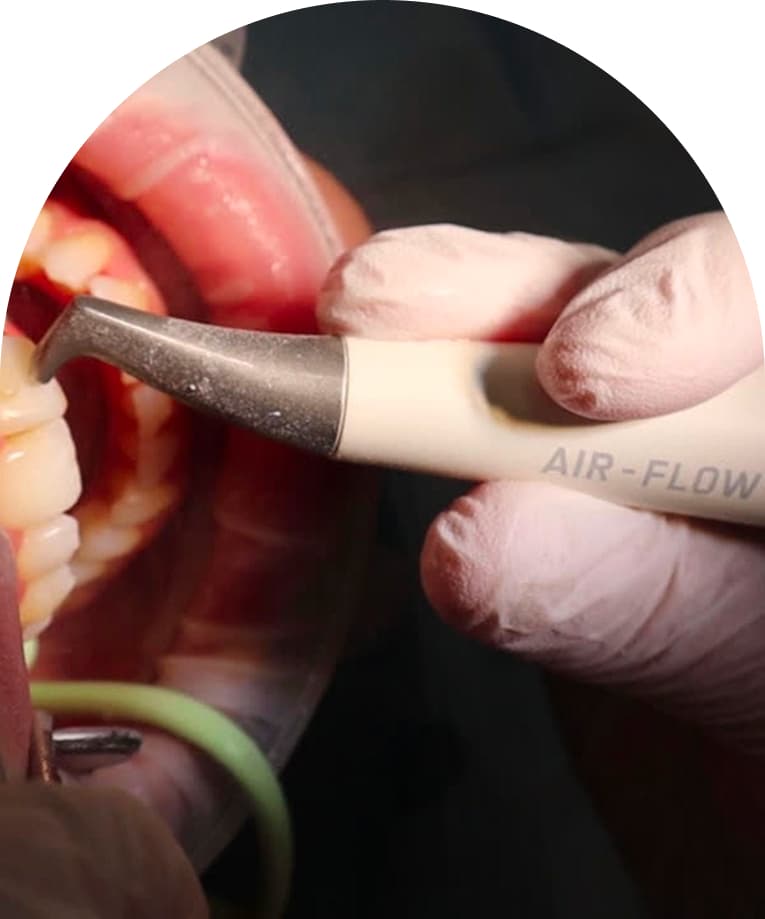

Thinking about dental implants but worried about being “put to sleep”? You’re not the only one. Surgery can sound intense, even when implants are a strong, natural-looking way to replace missing teeth.
Here’s the good news: most people in the UK have dental implants while they’re awake. At Regent Dental in Ilkley, we match the anaesthesia to you. Not the other way round. Comfort, safety, and a calm headspace come first.
Implants 101, Minus The Jargon
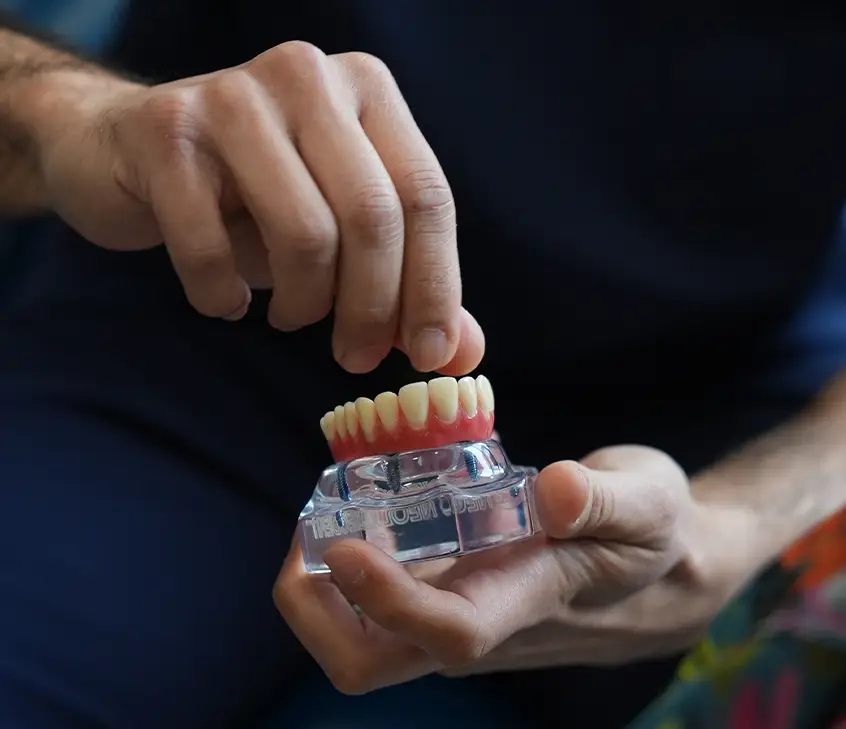
A dental implant is a small titanium post that sits in your jaw. It acts like a new root for a new tooth. Yes, it’s a minor surgical procedure. But with a clear plan and gentle technique, it’s very manageable. Most patients describe a feeling of pressure, not pain, thanks to modern anaesthetic and careful hands.
Staying Awake: Why It’s Often The Best Route
Let’s keep it simple. General anaesthesia makes you fully unconscious. It’s useful in hospital settings. It’s rarely needed for routine implant care. Day to day, we use local anaesthetic. We numb the area we’re treating. You stay awake. You stay in control. And you don’t feel pain where we’re working.
Local Anaesthetic: The Everyday Choice
Numbness arrives in minutes and lasts for the whole appointment.
You can hear us, chat if you like, and ask for a pause at any time.
Recovery is quick. No foggy head. No long list of rules.
Many patients head home, put the kettle on, and take it easy.
A heads-up on sensation: you may feel gentle pressure or vibration. That’s normal. It’s not sharp pain, and we check in with you throughout.
Conscious Sedation: Calm, Not Conked Out
If you feel anxious—or sitting still is hard—conscious sedation is a great middle ground. You’re relaxed and drowsy, but still responsive. You can breathe on your own and follow simple prompts. We tailor the dose, keep a close eye on you, and keep you comfortable from start to finish.
Types Of Conscious Sedation We May Discuss:
Oral sedatives: A small tablet taken before treatment. Simple and effective.
Nitrous oxide (laughing gas): Breathed in through a small mask. Works fast and wears off fast.
IV sedation: Given through a tiny cannula. Very precise and very controllable.
A practical note: For IV or oral sedation, you’ll need someone to take you home and stay with you for a while. With nitrous oxide, most people feel clear again within minutes. We’ll advise what’s safest for you on the day.
Do You Ever Need To Be “Put To Sleep”?
Sometimes, yes—but it’s uncommon. We may suggest general anaesthesia for very complex cases, extensive grafting, or when severe dental phobia or specific medical needs make it the safer choice. If that’s you, we’ll guide you step by step and work closely with trusted hospital teams.
Why Avoid General Anaesthesia If You Can?
Lower medical risk. No airway tube. No deep anaesthetic.
Faster recovery. Back to normal life sooner.
Lower cost. No theatre time or anaesthetist fees.
Better communication. You can tell us how you feel. We can respond there and then.
Preparing Well Makes All The Difference
A smooth appointment starts with a simple plan:
Share your full medical history, allergies, and medicines (including blood thinners and herbal supplements).
Follow our eating and drinking advice, especially if you’re having sedation.
Arrange transport home if you’re having oral or IV sedation.
Plan a soft-food tea and a quiet evening. Think yoghurt, eggs, soups, or pasta.
Tell us what worries you. No need to be a hero—we’ll walk you through it.
A Real Patient Story
Sarah, 45, from Ilkley, needed an implant to replace a back molar. She didn’t want to be put to sleep. After a relaxed chat with our implant dentist, she chose local anaesthetic with nitrous oxide. She felt calm, stayed chatty, and didn’t feel pain. Her partner picked her up, they went for a short walk, and she was back at her desk the next day. Simple. Steady. Very human.
Modern Tech Makes It Smoother
Today’s implant care is precise. We use digital imaging and computer-guided planning to map your jaw and place the implant exactly where it belongs. First time, every time. That means smaller incisions, shorter appointments, and less post-op soreness. Less fuss. More confidence. Better healing.
What To Expect After Your Appointment
Some swelling, bruising, or tenderness is normal for a day or two. We’ll give you aftercare tailored to your needs, plus clear advice on pain relief and oral hygiene. Keep the area clean, stick to soft foods, and avoid smoking and strenuous exercise for a short while. Most people return to normal life the next day. School run, emails, a gentle walk across the Moor—no drama, just common sense.
How We Keep You Comfortable
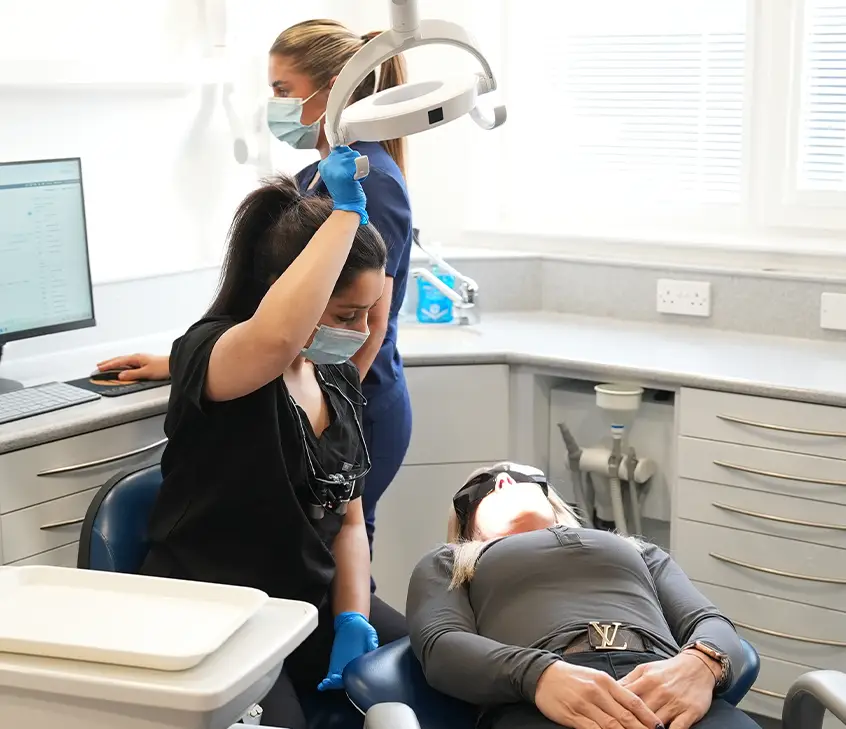
Comfort doesn’t happen by accident. We plan it. We take time to numb properly. We check the area before we start. We use cooling, suction, and careful pacing to reduce pressure and noise. If you need an extra top-up, you’ll get it. If you need a pause, say the word. You’re in charge of the pace.
Who Might Benefit From Sedation?
Plenty of people do well with local anaesthetic alone. That said, sedation can help if:
Dental treatment makes you feel tense or panicky.
You have a strong gag reflex.
You struggle with needles or long appointments.
You’re having treatment on several teeth in one visit.
It’s not about bravery. It’s about what helps you feel safe and calm.
Costs And Value, In Plain Terms
Keeping you awake usually lowers dental fees or treatment costs. No hospital theatre. No deep anaesthetic. Fewer time delays. With sedation, there are added fees for the medicine, monitoring, and trained staff. We’ll go through all options and prices clearly before you decide. No surprises. No pressure.
Timelines You Can Trust
Planning comes first. We assess your gums, bone, and bite. We scan and take images. If all is well, the implant is placed in a single appointment. Healing follows. The post integrates with your bone over a few months. Then your new crown is fitted. Step by step. Clear and steady.
What If You’re Nervous About Needles?
You’re not alone. We use numbing gel before the injection. We use fine needles and slow delivery to reduce sting. Distraction helps, too—music, breathing, or a short chat. Tiny things that make a big difference.
Your Health Matters
Some medical conditions and medicines affect planning. Diabetes, blood thinners, or a history of anxiety, for example. Not a barrier—just something to consider. We’ll work with your GP or dentist when needed and adjust the plan to keep you safe.
Bringing It All Together
Can you get dental implants without being put to sleep? Absolutely. In the UK, most patients do—and they do very well. Local anaesthetic and conscious sedation keep you comfortable, safe, and in control. And if you do need a deeper option, we’ll plan that with care and clarity.
About Regent Dental
Regent Dental is a modern dental and aesthetic clinic in Ilkley. We’re known for thoughtful care and advanced treatment delivered with a friendly touch. Our team provides general, cosmetic, and restorative dentistry—including dental implants—under one roof. We use proven technology and clear communication to keep you comfortable from consultation to aftercare. If you’re thinking about dental implants but feeling unsure about anaesthesia, let’s talk. We’ll build a calm, sensible plan around you—so you can eat, smile, and live with confidence.
Conclusion
You don’t have to be put to sleep to have dental implants. Most people do just fine with local anaesthetic, and many feel even calmer with light sedation. The result? Safe care, a quick recovery, and a smile that works as it should. If you’re ready to explore your options in Ilkley, we’re here to listen first and guide you through the rest.