Dental implants have changed how we rebuild smiles. They look natural. They feel secure. And with good care, they last. No wonder they’re so popular. The big question we hear at Regent Dental is simple: are dental implants available on the NHS? The short answer: sometimes, yes. Most of the time, no. Here’s how it works.
What Exactly Is A Dental Implant?
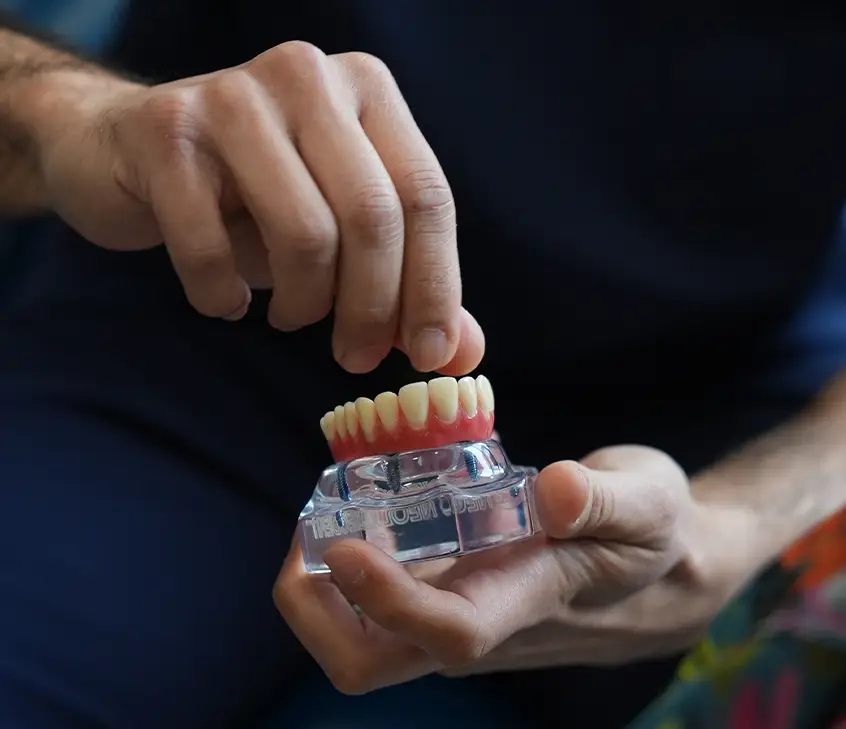
A dental implant is a small titanium post that sits in your jaw. It replaces a missing tooth root. On top, we attach a crown, a bridge, or a denture. The bone bonds to the post over time. The result is solid and comfortable.
You can chew, talk, and smile without worrying it will move. Compared with a denture or a bridge, implants can protect bone and feel more like your own teeth. A bit of science. A lot of everyday benefit.
NHS Funding Overview
Not in routine care. You won’t see implants listed in the standard NHS dental charge bands with crowns, bridges, and dentures. When implants are funded, it’s usually through hospital care and only in tightly defined cases.
In England, cases are assessed in hospital and funding is decided by your local Integrated Care Board. In Scotland, Wales, and Northern Ireland, local Health Boards do the same. Across the UK, the bar is high and places are limited. That’s the honest picture.
Eligibility For NHS‑Funded Implants
NHS‑funded implants may be considered where there is a clear clinical need, such as:
Treatment for mouth or jaw cancer that has affected bone or soft tissue and needs rebuilding
Severe injury or disease causing loss of teeth and changes to the face or jaw
Birth conditions such as cleft or hypodontia (missing adult teeth)
Very rare cases where dentures cannot be worn due to extreme anatomy or disability, confirmed by a consultant in restorative dentistry
If you think you fall into one of these groups, the usual route is a referral from your NHS dentist or your GP to a hospital restorative or maxillofacial unit for assessment. Waiting lists can be long. Approval is not guaranteed. It varies by area. That can feel unfair, but it’s how the system is set up.
Why Implants Are Rarely Available On The NHS
Cost and priorities. The NHS must focus on need and value. Dentures and bridges often meet the need at lower cost.
Capacity. Implant care needs surgical skills, 3D scans, lab work, and careful follow‑up. Not every area has enough people and time to deliver that.
Local policy. Criteria differ from place to place. So your friend in the next county may be treated differently to you. Frustrating, we know.
Private Options If NHS Funding Isn’t Available
Most people who want implants choose private care. At Regent Dental in Ilkley, we keep the process clear and steady, from first chat to final polish. No fuss. No surprises.
What private implant care looks like with us
Personal planning. We listen to what you want. We check your gums, bite, and bone. 3D scans help us plan the exact position of each implant.
Clear choices. One implant for a single missing tooth. Several implants for a gap. Or implants to secure a full denture when you want more grip and comfort.
Modern techniques. We use guided implant surgery for accuracy. Procedures are gentle and well managed. Sedation is available for suitable patients.
Straightforward follow‑up. We’ll map out a simple care plan. Hygiene visits, home care tips, and regular checks to keep everything on track.
Costs And Value
As a guide in the UK, one implant with its abutment (the small connector) and crown typically starts from around £2,500 to £3,000. The price depends on your case and your region. More complex care—bone grafts, sinus lifts, multiple implants—will cost more.
The figure can feel a lot. But implants often prove good value over time. They protect function, help preserve bone, and can reduce the cycle of repairs and replacements. We can talk through staged treatment and finance options to spread the cost, subject to status.
Deciding If Implants Are Right For You
Start with a calm, honest look at your health. Are your gums stable? Do you smoke? If you have diabetes, how are your blood sugars? These details matter for healing and long‑term success. We’ll also talk about other options. Bridges. Dentures. The right choice is the one that fits your mouth, your lifestyle, and your budget.
There is a timeline. Planning comes first. Then the implant is placed. The bone heals around it. Finally, we fit the crown, bridge, or denture. It’s not instant. But it is steady and predictable when done well.
Analogy: A Detour That Actually Helps
People often ask, “Why not just stick with a denture?” For many, a well‑made denture does the job. For others, it moves when they laugh or rubs when they eat. Think of it like this.
A sticky hook can hold a light picture. But a wall plug holds a shelf. An implant is that anchor. Not everyone needs it. But if you do, you feel the difference every day.
Patient Story
Jane, 56, had two missing teeth. Her denture worked, but it was a faff. It slipped when she chatted with friends. She avoided crusty bread—very Yorkshire and very missed. She didn’t meet NHS criteria, so she came to us in Ilkley.
We had a gentle chat and took a 3D scan. We placed two implants and fitted lifelike crowns. After that, it was simple care: brush, floss, and regular checks. Now she eats what she likes and smiles without thinking. Small thing? Maybe. But it lifts your day.
Treatment Process Overview
First visit: talk through goals, check your mouth, take scans and photos
Planning: confirm the design, discuss options and costs, agree a timeline
Placement: gentle procedure, clear aftercare, support on hand
Healing: let the bone knit around the implant, keep everything clean
Fit: place the crown, bridge, or denture, fine‑tune the bite
Maintenance: hygiene visits and home care to keep it all healthy
Long‑Term Success Tips
Keep gums clean around the implant with a soft brush and floss or interdental brushes
See your dental team regularly; small tweaks prevent bigger fixes
If you smoke, consider stopping; it improves healing and lowers risk
Keep diabetes under control; stable sugars help the bone and gums
Benefits Of Private Implants
Stability. Eat, laugh, and speak with confidence
Comfort. No clips on other teeth, no movement, less rubbing
Bone health. Implants help reduce the bone loss that follows tooth loss
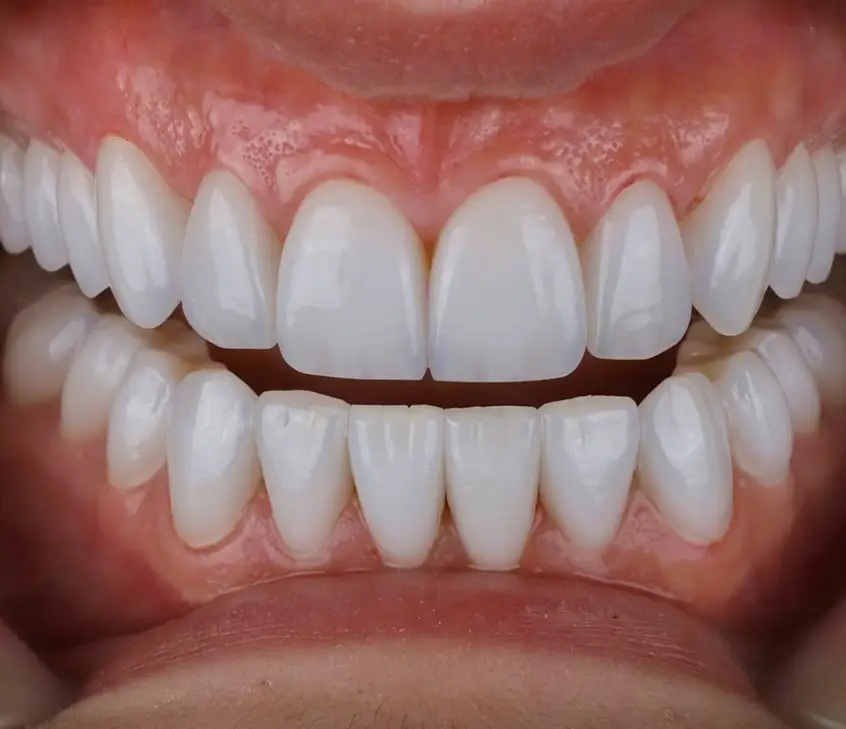
Appearance. Natural shape and colour that blends with your smile
When Implants May Not Be Ideal
Active gum disease. We need to treat this first
Very low bone in key areas. Sometimes we need to rebuild bone or choose a different option
Health conditions that affect healing. We’ll work with your GP if needed to plan safely
Bringing It All Together
Dental implants can change how your mouth works and how you feel. The NHS can fund them in a small number of cases, usually through hospital care, where there’s a clear medical need. For most people, funding is not available.
If that’s you, private implant treatment offers precise planning, modern techniques, and comfortable results. Honest advice first. Then a plan that fits your health, your timeline, and your budget.
About Regent Dental
We’re a modern, friendly practice in Ilkley offering general, cosmetic, and restorative care, including dental implants. Our team blends clinical know‑how with 3D imaging, guided surgery, and clear, calm support. Thinking about NHS routes? Exploring private care in Yorkshire? We’ll help you make a confident choice.
Ready to talk it through? Visit www.regent-dental.co.uk to book a consultation or give us a ring. We’ll put the kettle on and walk you through your options—in plain English and without pressure.
Conclusion
Implants aren’t part of routine NHS care, and hospital‑funded treatment is reserved for specific medical needs. If you’re not eligible, you still have good options. Private implant care gives you a stable, natural‑feeling result with clear planning and support at every step. Take time to weigh up the benefits, costs, and alternatives. Then choose the route that feels right for you and your smile.