Food matters here in the UK. A crisp apple on Ilkley Moor. A Sunday roast with all the trimmings. A quick bag of crisps on the train. So it’s no wonder the big question comes up with implants: will I be able to eat like I used to? The short answer, yes. And yes, it can feel natural again. At Regent Dental in Ilkley, we see it week in, week out.
What Is A Dental Implant, In Plain English?
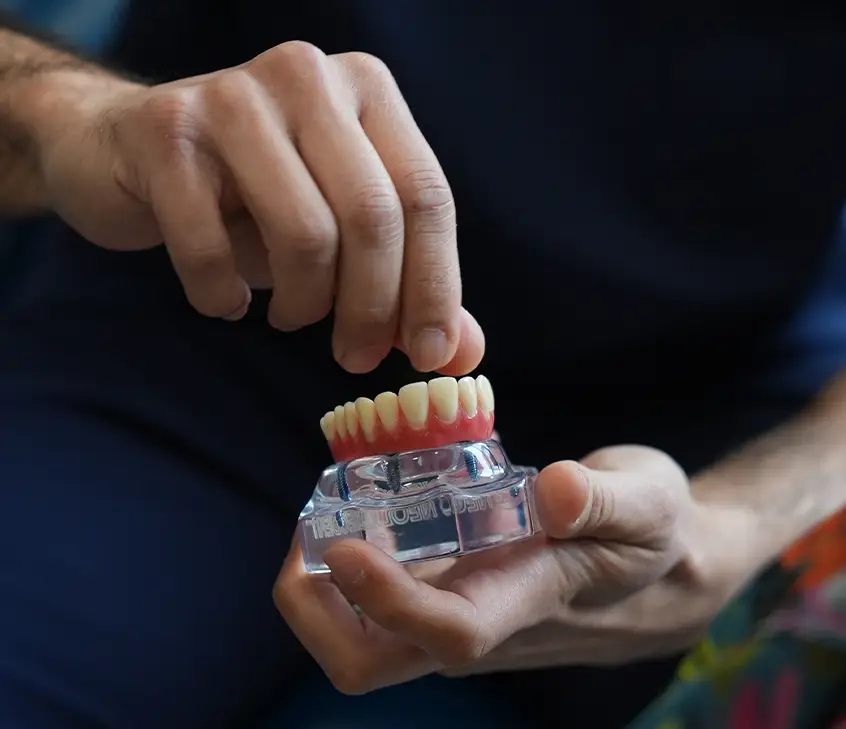
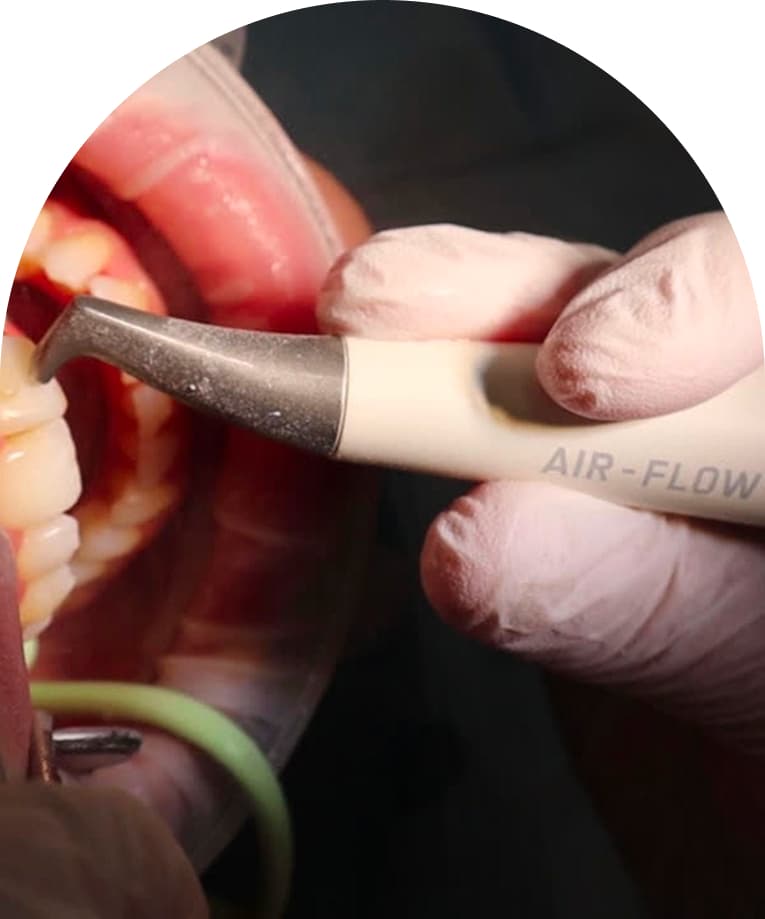
Think of a dental implant as a small titanium post. It sits in your jaw and acts like a new root. Over a few months, it bonds with the bone. That process is called osseointegration. Once it’s secure, a custom crown is fitted on top. The result looks, feels, and works like a real tooth. Unlike dentures, implants don’t slip. You don’t take them out at night. No pastes. No fuss. Just teeth that stay put.
The Early Days: Gentle Foods, Easy Pace
Right after surgery, your mouth needs calm. There may be swelling and tenderness for a few days. That’s normal. Keep food soft and the temperature warm, not hot. Yoghurt, mashed potato, soups left to cool, scrambled eggs, porridge, soft pasta, and spooned smoothies are ideal. Skip straws, very hot drinks, alcohol, and smoking for a few days. They slow healing. Fancy a brew? Let it cool a touch. Chew on the other side if you can. Brush gently. Follow your dentist’s advice. Small steps. Smooth recovery.
Diet Progression - From Soft To Solid: A Simple Timeline
Most people move from soft foods to a normal diet over one to two weeks. Then they build up. Meanwhile, the implant itself settles in the bone over three to six months. Your bite strength improves bit by bit. Many start with omelettes, fish pies, cottage pie, ripe bananas, and well-cooked veg. Next comes toast, tender meats, and salads. Then those crunchier bites that make a meal feel complete.
So… Can You Eat Normally With Dental Implants?
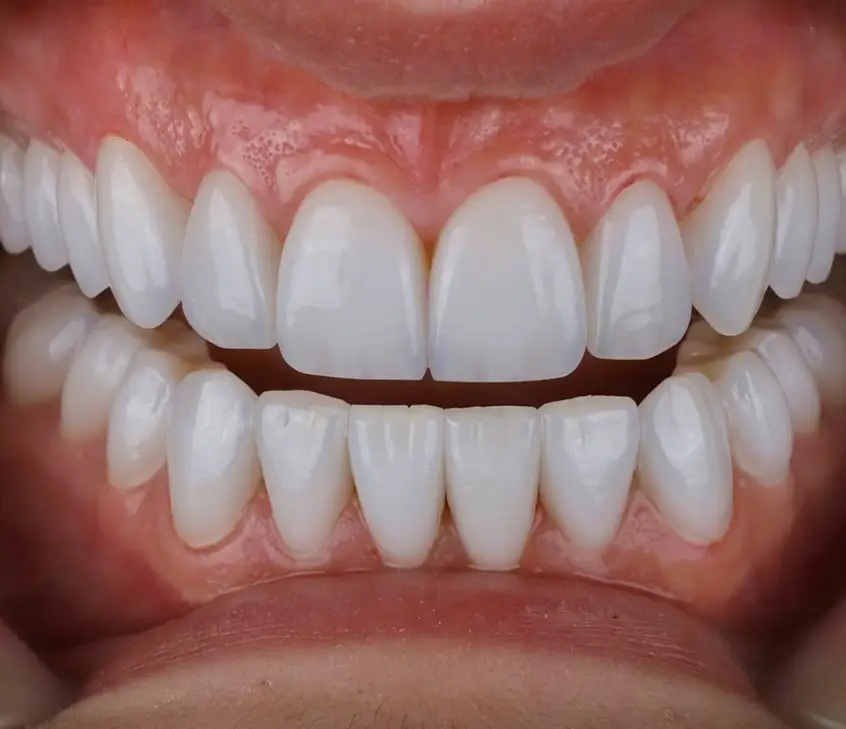
Yes. With well-planned implants, chewing power is close to natural. You can bite into apples, enjoy nuts, cut into steak, and crunch raw veg. No wobble. No slipping. It’s different from dentures, and that’s why many people choose implants to replace missing teeth.
Common-Sense Eating Precautions
Even with natural teeth, some habits are unwise. Don’t crack ice cubes. Don’t open packets with your teeth. Watch out for stray olive stones. Implants are strong, but they’re not built for party tricks.
Why Eating Often Feels Better With Implants
More choice, better balance: Proper chewing means a wider menu. That helps your health and energy.
Everyday joy: Meals are social. Family time. Friday nights. Christmas dinner. Implants help you say yes again.
Jawbone support: Implants stimulate the jawbone. That helps keep facial shape and strength over time.
Quiet confidence: No slipping plates. No pastes. Just a steady, reliable bite.
A Tiny, Helpful Digression
There’s one small difference you might notice at first. Natural teeth have a ligament that gives a bit of “feel”. Implants don’t. So your bite may seem a touch different in the early weeks. Your brain adapts fast. It’s like breaking in new shoes, you notice them, then you don’t.
Tips For Eating Comfortably With Implants
Start soft. Step up as it feels right.
Cut food into smaller pieces while you build confidence.
Keep things clean: gentle brushing, floss, and interdental brushes help.
Book regular reviews and professional cleaning, especially in the first year.
Avoid chewing ice, pens, or sticky toffees that stress any teeth.
Had bone grafting or several implants? Follow your dentist’s tailored plan.
What To Expect Week By Week
Days 1–3: Keep it very soft. Cool or lukewarm foods. Plenty of rest.
Days 4–7: Still soft, but you can add more variety. Think soft pasta, soft fish, avocado.
Week 2: Lightly toasted bread, tender meats, and cooked veg are usually fine.
Weeks 3–6: Most people return to a normal diet, adding crunch as comfort allows.
Months 3–6: The implant finishes bonding with bone. Your bite feels stronger and more natural.
Little Kitchen Tweaks That Help
Use sauces and gravies to add moisture. Softer bite, bigger flavour.
Try slow-cooked meats. Tender and easy to chew.
Swap raw for steamed veg at first. Then switch back as you gain confidence.
Choose seeded breads once you’re ready. Great texture, good fibre.
Save very chewy sweets for later, or skip them. Your jaws will thank you.
How Implants Compare To Dentures At Mealtimes
Dentures can be a smart choice for some. But they can also move, rub, or lift when you bite. Implants are fixed in the bone, so your bite is steadier. That gives more confidence with tricky foods, think apples, crusty bread, and nuts. Less worry. More choice. Simple as that.
Real Voices From Ilkley
Jane, 55, told us: “I’d stopped ordering crunchy salads. After my implants settled, I had nuts, carrots, even a proper steak. I stopped thinking about my teeth. Small thing? Not to me.”
Mark replaced several missing teeth with implants: “I used to dodge work lunches. Now I don’t give it a thought. I eat what I fancy. It’s a relief, and honestly, a joy.”
Getting The Best Result
Great planning matters. So does aftercare. At Regent Dental, we map out your mouth, your bite, and your goals. We talk through timing, healing, and the steps back to normal eating. We check your gums and jaw, and we look after the details, so you can return to real food at a pace that suits you.
Life Beyond The Surgery
Implants don’t just fill a gap. They bring back daily habits and simple rituals. Biting into an apple. Sharing a curry. Saying yes to a picnic without packing “safe” foods. With the right care and a bit of patience early on, most people go back to a full, varied diet. No drama. Just everyday eating.
Caring For Your Implants Long Term
Brush twice a day with a soft brush.
Clean between teeth daily. Floss or use interdental brushes.
See your dentist and hygienist regularly.
Wear a nightguard if you grind your teeth. It protects your work.
Keep an eye on any redness or bleeding. If something feels off, get it checked.
About Regent Dental
Regent Dental is a modern dental and aesthetic clinic in Ilkley, Yorkshire. Our team plans and places dental implants with care and precision, using advanced technology and a calm, patient-led approach. We focus on what matters: comfort, function, and a result that looks like you. From first chat to your first bite of that crisp apple, we’re with you at each step. Want to explore implants? Get in touch with our Ilkley team to book a consultation.
When Expert Care Meets Everyday Life
Dental implants can restore how you eat, speak, and smile. With smart planning, kind aftercare, and a steady return to normal foods, most people eat what they love again. That’s our aim at Regent Dental: teeth that feel secure, look natural, and let you enjoy mealtimes, without second thoughts.
Conclusion
Yes, you can eat normally with dental implants, and enjoy it. Start soft, follow your plan, and build up as you heal. In a few weeks, most people return to a varied, confident diet. In a few months, the new teeth feel like part of you. Good food. Good company. No holding back.