Pain is the big worry, isn’t it? We hear it every week in our Ilkley clinic. Which hurts more - having a tooth out or getting a dental implant? The honest answer: with modern care, both are much more comfortable than people expect. They do, however, feel different. Knowing how helps you plan and relax.
Here’s what each treatment involves, what people actually feel, and how we keep you comfortable from start to finish at Regent Dental.
What Actually Happens
Tooth Extraction
A tooth extraction removes a tooth from its socket. Sometimes it’s simple. A loose tooth that lifts out with gentle pressure. Sometimes it’s surgical. A broken or impacted tooth that needs careful bone work to free it. You’ll have local anaesthetic, so you feel pressure, not pain. The appointment is usually quick. It does leave an open socket that needs time and care to heal.
Dental Implant Placement
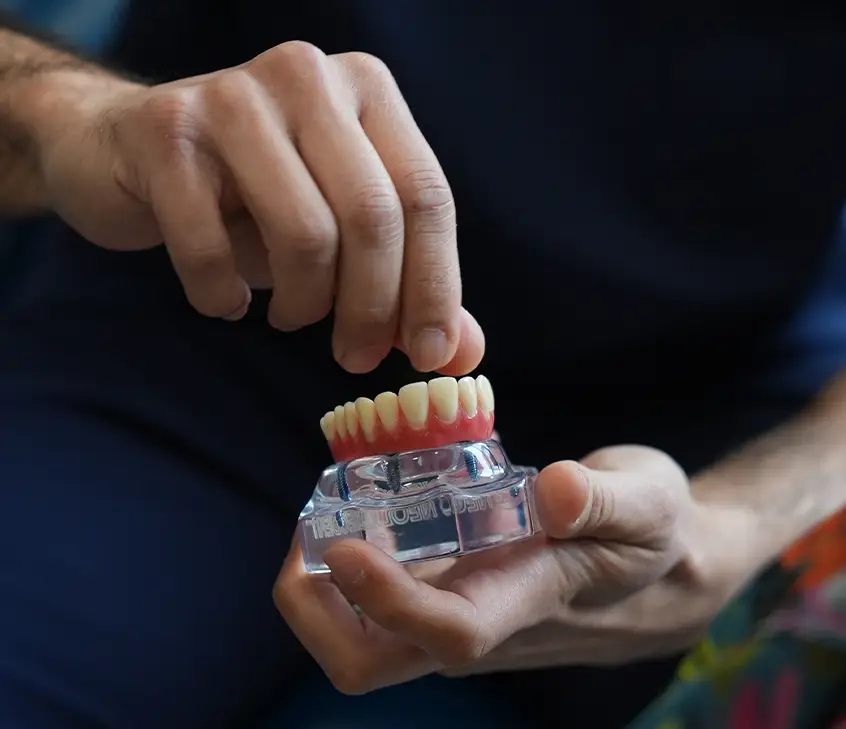
A Dental implant is a small titanium post placed in the jaw to replace a root. Over a few months it bonds with the bone. That’s osseointegration. Once stable, we fit a custom crown so it looks and works like a natural tooth. Planning uses 3D scans and, when suitable, a keyhole approach. You’re numb with local anaesthetic, so you stay comfortable. Sometimes a bone graft or a sinus lift is needed. Only when it’s truly helpful for long-term success.
So… Which One Hurts More?
Short answer: most people feel more immediate soreness after an extraction than after implant surgery. That’s what studies show, and it matches our day-to-day follow-ups in Ilkley.
Why is that? Extractions disturb the socket and surrounding tissues and leave an open wound. Implants are placed in a controlled way and the site is usually sutured. The body likes tidy, stable surgery. It calms inflammation faster.
That said, every mouth is different. A simple extraction can feel easier than a complex implant with grafting. And technique matters. A calm, careful approach makes a big difference.
What Patients Actually Feel
After extraction: pain can be moderate (sometimes more) for 24–72 hours. Some swelling and a little bleeding at first. Dry socket is the main risk if the clot is disturbed, which is why aftercare really matters.
After implant placement: discomfort is often mild to moderate, peaking in the first 24 hours then easing. You may see some swelling or bruising. Most people manage well with standard pain relief and a soft diet.
The common story we hear? The fear was worse than the reality. Many who’ve had both say the implant surprised them, in a good way.
What Makes The Biggest Difference
Complexity of the job: Straightforward extractions and single, well-planned implants are usually kinder. Trickier cases (impacted teeth, infection, grafting or sinus lifts) can increase tenderness. Not always. But it’s a factor.
Pain management done properly: We use modern local anaesthetics and gentle methods. Nervous about treatment? Conscious sedation is available. After surgery, paracetamol or ibuprofen (if safe for you) plus a cold compress keep things very manageable.
Your health and habits: Good oral hygiene helps tissues heal. Not smoking helps even more. Following instructions reduces swelling, cuts risk, and speeds recovery. Simple, but powerful.
Skill, planning, and tech 3D imaging, guided surgery, and minimally invasive techniques reduce trauma. Less trauma means less swelling, less bruising, and a smoother recovery. The sort of detail you feel the next day.
What To Expect After Each Procedure
After A Tooth Extraction
First day: expect soreness and some swelling. Bite on gauze as advised. Keep your head elevated. Take pain relief as directed.
Days 2–3: discomfort usually peaks, then tails off. Avoid straws and vigorous rinsing to protect the clot.
Cleaning: start gentle saltwater rinses after 24 hours. Keep the area clean but do not prod the socket.
Healing: gums settle within a couple of weeks; bone takes longer. Watch for signs of dry socket (throbbing pain that worsens). If you’re worried, call us.
After A Dental Implant
First day: mild to moderate ache, controlled with pain relief. Some swelling or bruising is normal. Rest helps.
Days 2–3: tenderness fades. Stitches keep the site tidy and protected.
Care: keep the area clean with careful brushing and the mouthwash we recommend. Avoid chewing on the implant side for now.
Healing: the implant bonds to bone over weeks to months. Once stable, we place the crown so you can chew with confidence.
Little Things That Help More Than You’d Think
Follow our instructions exactly. The simplest way to avoid hiccups.
Take pain relief before pain builds. Staying ahead is easier than catching up.
Cold compresses for 24 hours. Then warm compresses if it feels tight.
Soft, cool foods at first. Think yoghurt, soups, eggs, mashed potato. No hot curries on day one. Tempting, we know.
Skip smoking and alcohol while healing. They slow everything down and raise risk.
Keep your jaw relaxed. Clenching makes tenderness feel worse.
A Quick Word On Anxiety
Worried about needles or the noise? You’re not alone. We’ll explain each step before we start. We can use numbing gel before the anaesthetic. We pace the appointment so you feel in control. Bring a jumper. Pop on a playlist. Small comforts help, and we’re all for them. If you’d like, conscious sedation is an option too.
Why Regent Dental Is A Good Shout For Both Extraction And Implants
Advanced planning and gentle execution: We use digital scans, guided techniques, and minimally invasive methods to protect tissues, place with precision, and speed recovery.
Experienced clinicians, steady hands: Complex extractions, implant placement, grafting - we do them day in, day out, with care and attention to detail.
Calming, thorough aftercare: Clear advice, a direct line if you’re worried, and timely check-ins. We stay with you through healing.
Options that suit you: Local anaesthetic, conscious sedation, and staged plans. We tailor care to your health, goals, and diary. Back to work tomorrow? We’ll help you plan for that.
The Bottom Line
Most people find dental implant surgery causes less postoperative pain than a tooth extraction. An implant site is controlled, sealed, and stable. An extraction is, by nature, a little rougher on the tissues. Still, the real difference comes down to planning, technique, and aftercare. Get those right and both treatments are very manageable.
If you’re weighing up removal versus replacement, let’s talk. We’ll map out your options, outline healing times, and build a calm plan that fits your life.
About Regent Dental
Regent Dental is an Ilkley-based clinic providing gentle tooth removal, precise implant dentistry, and restorative care across Wharfedale and West Yorkshire. We blend clinical know-how with a friendly, down-to-earth approach. From 3D-guided planning to careful aftercare, our aim is simple: keep you comfortable, protect your health, and restore your smile with confidence. Ready to begin? Visit our website or call the team to book a consultation.
Conclusion
Extractions and implants don’t have to be daunting. With good planning, clear guidance, and the right support, most people sail through with less pain than they imagined. Whether you need a tooth out, a new one placed, or both, we’ll guide you step by step, keep you comfortable, and help you get back to normal—quickly and calmly.