Thinking about dental implants? The result matters. So does the timeline. You want to know how long you’ll be in the chair and when you’ll have your full smile back. Fair enough.
At Regent Dental in Ilkley, we like to make things clear and calm. No fuss. No surprises. In this guide, we’ll cover how long implant surgery takes, what the full journey looks like, and what might change your timings. Simple, honest, and easy to plan around real life.
What Actually Happens During Implant Surgery?
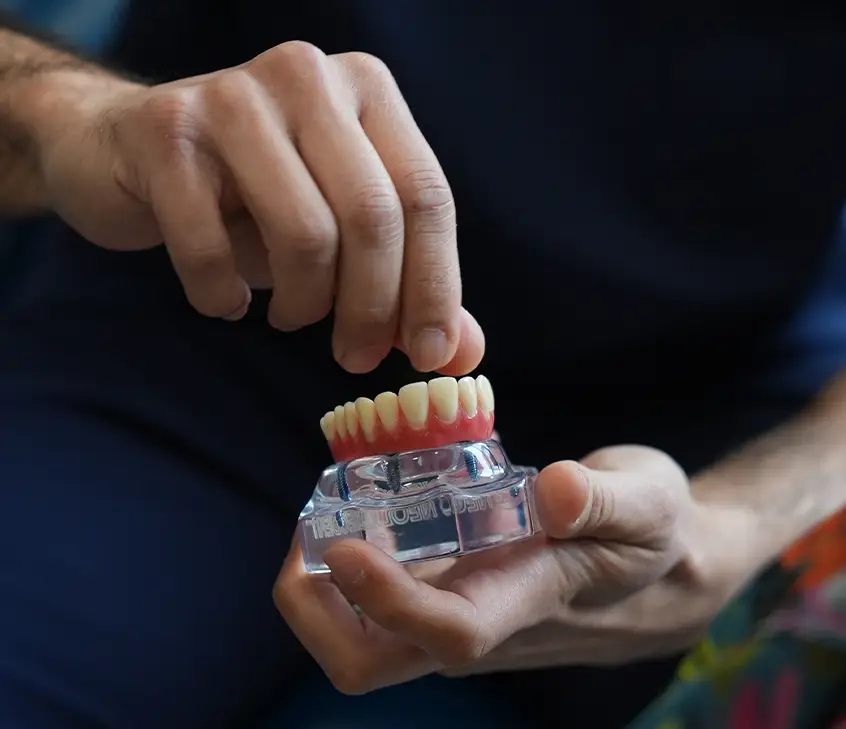
A dental implant is a small titanium post. It replaces a tooth root and sits securely in your jawbone. Over time, the bone bonds to it. That gives a strong base for a crown, bridge, or denture. The procedure is done under local anaesthetic.
You stay comfortable the whole time. You might notice some pressure. You should not feel pain. If you’re anxious, we can discuss sedation. We’ll talk you through each step before we start.
So… How Long Is The Surgery Itself?
For a single implant, placement usually takes 45–60 minutes. That time covers:
Numbing the area and checking you’re comfortable
Preparing the site with careful, precise drilling
Placing the titanium implant at the right depth and angle
Adding a cover or healing cap and closing with neat stitches, if needed
Having more than one implant? We can often place several in the same visit. That keeps things efficient and reduces travel time. The appointment will be longer, but you still go home the same day. Most people are back to light work within 24 hours. Give yourself a couple of quiet days for any swelling to settle. A bit of bruising can happen. Nothing dramatic. We’ll guide you on pain relief and what to expect.
The Bigger Picture: The Full Implant Timeline
The surgery is only part of the story. Implants are built to last, so we follow a careful plan. Each stage supports the next, so your new tooth feels natural and stays stable.
1) Consultation and digital planning (one visit)
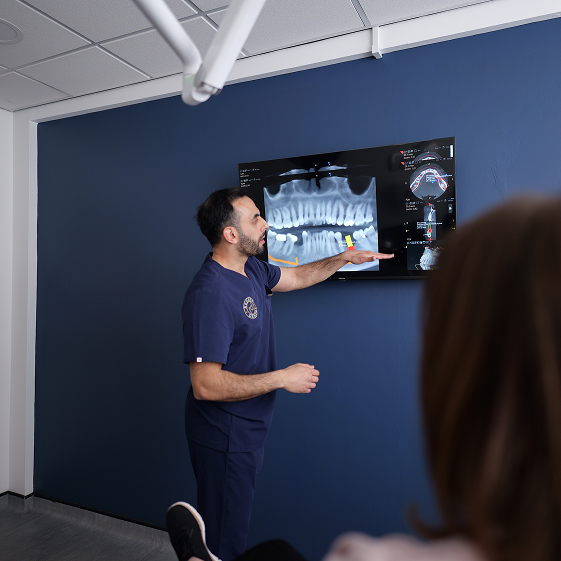
We start with a full check-up and a 3D CBCT scan. This shows bone quality, nerve positions, and sinus anatomy. We talk through your goals, costs, and timing. We can map the plan around work, holidays, and family life. No pressure. No jargon. Just a clear plan that makes sense.
2) Implant placement (about 1–2 hours, depending on complexity)
This is your surgical visit. If we’re removing a tooth or doing a small bone graft, we allow extra time. Sometimes we place a temporary tooth for appearance. You’ll leave with aftercare advice you can actually follow. And our direct contact details if you need us.
3) Healing and osseointegration (typically 8–12 weeks, sometimes up to 3–6 months)
Your bone needs time to bond to the implant. This is called osseointegration. Lower jaws often heal a little quicker than upper jaws because the bone is denser. It’s not the most exciting stage, but it’s essential. Good healing now makes your final result stronger and longer lasting. We’ll review you during this period to check everything is on track.
4) Abutment placement (one short visit)
When the implant has integrated, we attach a small connector called an abutment. Sometimes it’s fitted during the first surgery. Sometimes it’s added later. It’s a quick appointment with minimal discomfort. A small healing period follows to let the gum settle around the shape.
5) Your new tooth, bridge, or denture (1–2 visits)
We take digital scans or impressions to design your custom restoration. Shade, shape, and bite all matter. We fine-tune the fit so it looks right and feels right. If adjustments are needed, we make them. The aim? A tooth that blends in so well you forget it’s not the original.
A Quick Note On “Immediate” Or “Same‑Day” Teeth
In some cases—often full-arch treatments—we can fit a temporary fixed bridge on the day of surgery. You leave with a set of teeth that look great while you heal. For single teeth, immediate loading can work too, but only if the implant is very stable at placement and your bite allows it. Safety comes first. If waiting gives a better long-term result, we’ll say so. No false promises.
What Can Speed Things Up—Or Slow Things Down?
A few factors shape your timings:
Bone quality and quantity: Thin or soft bone may need grafting or a sinus lift (for upper back teeth). This adds healing time but protects the result.
Number of implants: More implants mean more planning and longer chair time. Still manageable. Still structured.
General health and habits: Smoking, uncontrolled diabetes, and some medicines can slow healing. We can liaise with your GP, suggest changes, and help you prepare.
Implant location: Lower jaws tend to integrate faster. Upper jaws can take longer due to bone density.
Bite and loading: Heavy bites or grinding can put implants under stress. We might delay loading or use a protective guard while you heal.
Getting Ready—And Recovering Well
Good prep and simple aftercare make a real difference.
Keep your mouth clean before surgery and follow our pre-op advice
If you choose sedation, arrange a lift and keep the day free
Stock up on soft foods like yoghurt, soups, eggs, and pasta
Use a cold compress in short bursts to manage swelling
Skip the gym and heavy lifting for a few days
Avoid smoking while healing—it slows things down
After 24 hours, rinse gently with salt water and keep brushing (carefully)
It’s the little things that help you heal faster and feel better.
Why Regent Dental For Implants In Ilkley?
We blend careful planning with calm, kind care. Our team uses 3D scanning, guided surgery where it helps, and trusted implant systems. That means precise planning and predictable results. We keep our advice clear and our costs transparent. No hidden extras. Timelines are tailored to your diary, not ours. And we stay with you from start to finish. Because the success of your implant is about the surgery, yes—but also the follow-up, the fit, and the support.
We’re local too. If you’re in Ilkley, Addingham, Burley-in-Wharfedale, or Menston, we’re close by. Yorkshire straight-talking. Modern dentistry. A team that treats you like a person, not a project.
The Short Answer, Wrapped Up
The quick version? About an hour per implant for the surgery itself. The full journey—from first chat to final crown—usually takes a few months. Healing takes time, and that time protects your result. When you’re ready, come in for a chat. Ask all the questions. Leave with a clear plan that suits your life. We’ll keep it simple, safe, and personal.
About Regent Dental
Regent Dental is a modern dental and aesthetic practice in Ilkley, UK. We provide general, cosmetic, and restorative care with a strong focus on dental implants and digital dentistry. Our approach is friendly, thorough, and honest. We explain your options in plain English so you can choose with confidence. Want to get started? Contact our team to book a consultation and see what’s possible for your smile.
Conclusion
Dental implants are a steady, well-planned process. The surgery is fairly quick. The healing takes patience. The end result? A secure, natural-looking tooth that lets you eat, speak, and smile with confidence. If timing is the bit you worry about, we’ll help you map it out step by step. Clear stages. Realistic dates. No drama. Just good care from people who want the best for you.