
Getting a dental implant is a big step. A stronger bite. A steadier smile. And the feeling that your mouth is yours again. It is still surgery, though. So some soreness is normal. If you’re thinking about implants, or you’ve just had one, you’re likely asking the key question: how long will it hurt, and what counts as normal? Here’s a clear, no‑nonsense guide from Regent Dental in Ilkley.
What Actually Happens, And Why It Aches A Bit
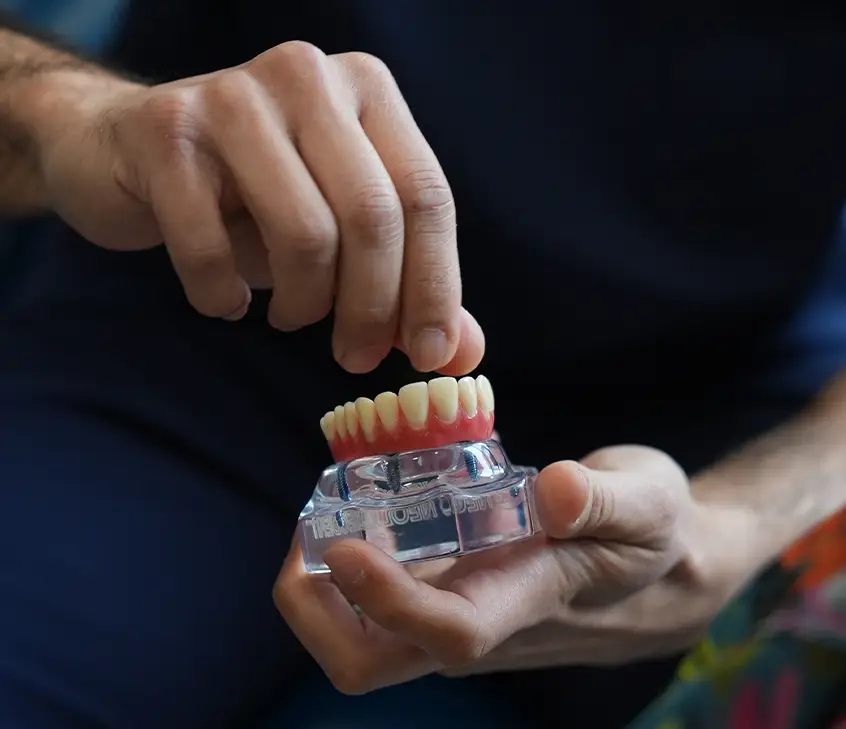
During implant placement, a small titanium post is set into your jaw. It acts like a new root. Over the next few months, it bonds with the bone. That bonding is called osseointegration. It’s clever biology. The end result is solid support for a crown or bridge.
Because the gum and bone are involved, the area will feel tender for a short time. Think of it like a mild sprain in your mouth. Sore to start, then easing day by day. Some swelling and light bruising are common. A little oozing can happen as the local anaesthetic wears off on day one. All typical. All temporary.
The Short Answer: Your Pain Timeline
Days 1–3: The Tender Bit
Expect moderate soreness, peaking in the first 24–48 hours.
Swelling can look worse on day two, then begin to settle.
Tea‑coloured bruising on the cheek is common. It fades.
Most people manage well with pain relief advised by their dentist.
Days 4–7: Turning The Corner
Discomfort drops to mild and may come and go.
Chewing near the site can feel odd or tender.
Swelling reduces; bruising moves through those familiar rainbow stages.
After A Week: Settling In
Many people report little or no pain after day seven.
Some sensitivity is part of healing.
If pain lingers or ramps up after the first week, that’s not typical. Get in touch.
You can also read our detailed guide on the dental implant pain timeline for a deeper breakdown of each stage.
What Can Change How Long It Hurts?
Surgical complexity: more than one implant or a tricky placement can mean extra swelling.
Bone grafts or sinus lifts: great for long‑term success, but they can stretch recovery a little.
Your biology: pain thresholds vary; healing speeds do too.
Home care: good hygiene and sensible rest help. Cutting corners doesn’t.
Smoking and alcohol: both slow healing and raise the risk of problems.
Teeth grinding: if you clench or grind, tell us. It matters during healing.
Simple Ways To Stay Comfortable
Take pain relief as advised: your dentist will guide you. Many people do well with paracetamol or ibuprofen if suitable. Unsure what’s safe? Ask your pharmacist.
Go cool, not hot: use a cold compress wrapped in a tea towel for 15 minutes on, then 15 off, for the first day or two.
Keep it clean, gently: start warm saltwater rinses after the first day, twice to three times daily. Don’t swish hard. Brush your other teeth as normal and brush near the site with care.
Eat soft, eat smart: think yoghurt, soups, eggs, mashed veg, pasta. Chew on the opposite side. Skip very hot drinks on day one and avoid straws.
Take it easy: rest, sleep slightly propped up, and avoid the gym or heavy lifting for a couple of days.
Skip smoking and alcohol: they really do slow things down.
You know what? A quiet couple of days, a good book and a warm cuppa, works wonders.
When To Call Your Dentist (Sooner Rather Than Later)
Pain that’s severe or getting worse after day seven
Swelling that spreads or doesn’t start to settle by day three
Bleeding that won’t slow after 24–48 hours
Fever, chills, or feeling unwell
A bad taste or smell that lingers around the area
Any sense that the implant is loose
If you can’t reach the practice and your symptoms are severe, call NHS 111 for advice. Timely care makes a real difference.
A Quick Word On Expectations (And A Tiny Detour)
Most Regent Dental patients describe two to three days of proper tenderness, then steady improvement. One Ilkley patient told us, “I took ibuprofen as advised, and by the end of the week I was back on soft toast.” Another said, “I followed the instructions to the letter - no drama, no fuss.” That’s the theme we see every week: sensible aftercare, decent rest, and a little patience.
Life carries on, of course. School runs. Zoom calls. Dog walks. We plan your appointment and review visits so healing fits around real routines. If you grind your teeth at night, mention it. A simple guard can protect the site, and your investment.
The Bottom Line From Regent Dental
Some pain after a dental implant is normal. It should ease day by day and feel much better within a week. If something feels off, we’d rather hear from you quickly than have you sit and worry. We’re here to guide you through recovery, keep an eye on healing, and help you enjoy the benefits - stable bite, confident smile and no wobble for years to come.
About Regent Dental
At Regent Dental in Ilkley, we provide dental implants with a calm, patient‑centred approach and modern technology. We focus on clear planning, careful placement, and simple, practical aftercare. You’ll know what to expect at each stage. From your first chat to your final review, our implant dentist will support you. If you’re considering dental implants in Ilkley or want advice on recovery, we’re ready to help. Visit our website or contact the team to book a consultation and talk through your options.
Conclusion
Pain after a dental implant is usually short‑lived and manageable with the right care. Expect two to three sore days, a clear improvement by the end of the week, and steady settling after that. Keep things clean, rest well, and follow your dentist’s advice. And if your pain gets worse, or something doesn’t feel right, reach out. The sooner we check, the sooner you can get back to eating, smiling, and living with confidence.