Losing a tooth changes more than your smile. It changes how you eat. How you speak. How you feel day to day. Dental implants give you a strong, long‑term fix that looks and feels like your own teeth. The big question we hear first? How many dental implants can you have at once.
At Regent Dental in Ilkley, we plan your care around your health, your goals, and your lifestyle. Clear plan. Kind care. Solid results. Here’s how it works, in plain English—with a few technical bits for those who like detail.
What We Mean By “Dental Implants”
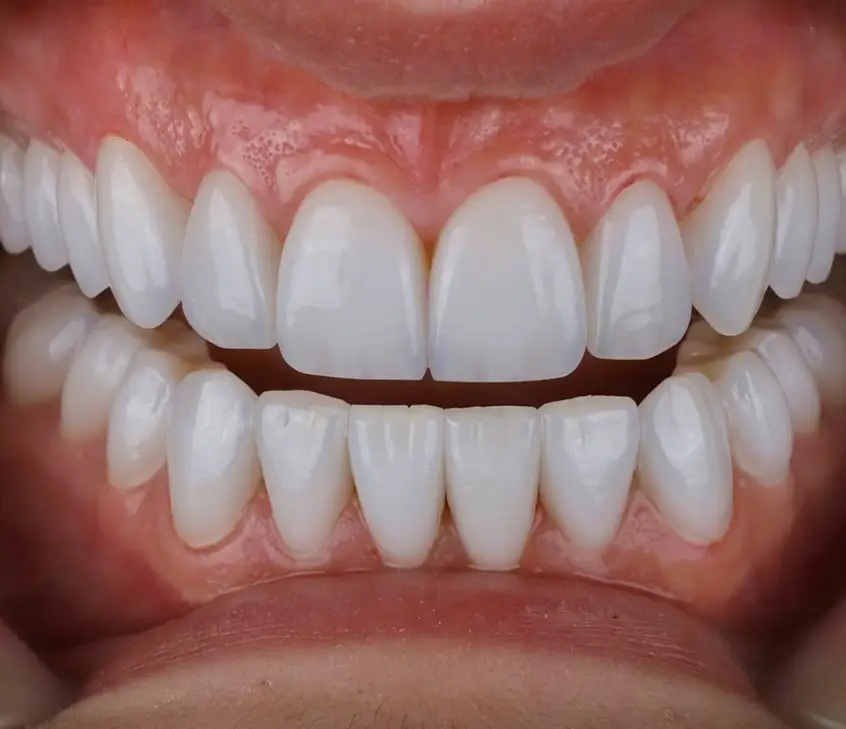
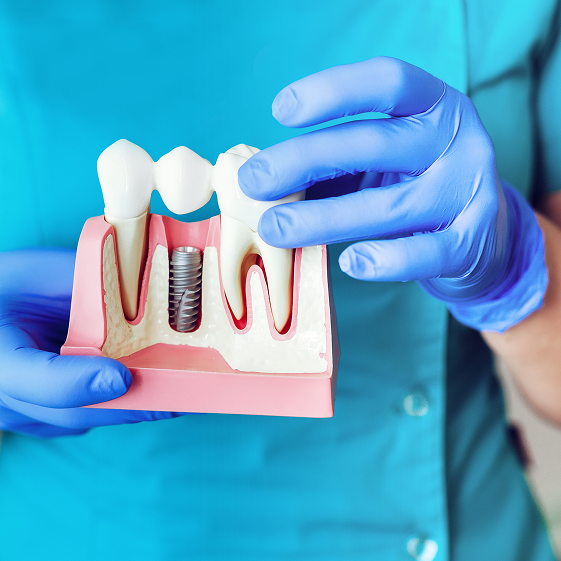
A dental implant is a small titanium post that sits in the jaw and acts like a new root. Once it bonds with the bone, we attach a custom crown, a bridge, or a full arch of teeth. It’s stable. It’s secure. You can bite an apple, enjoy a Sunday roast, and smile without a second thought.
So… How Many Can You Have At Once?
More than you might think. You can have several implants placed in a single appointment. Some people need one. Others need four, six, or more per jaw when many teeth are missing.
Could you replace every lost tooth with an individual implant? Yes. Do you need to? Not usually. Smart planning lets us replace many teeth with fewer implants. Less surgery. Same strong result.
Common, Real‑World Options
One gap, one implant: The classic choice for a single missing tooth. One implant with one custom crown.
Several missing teeth: Two or more implants can support a bridge. Fewer implants. No need for one under every tooth.
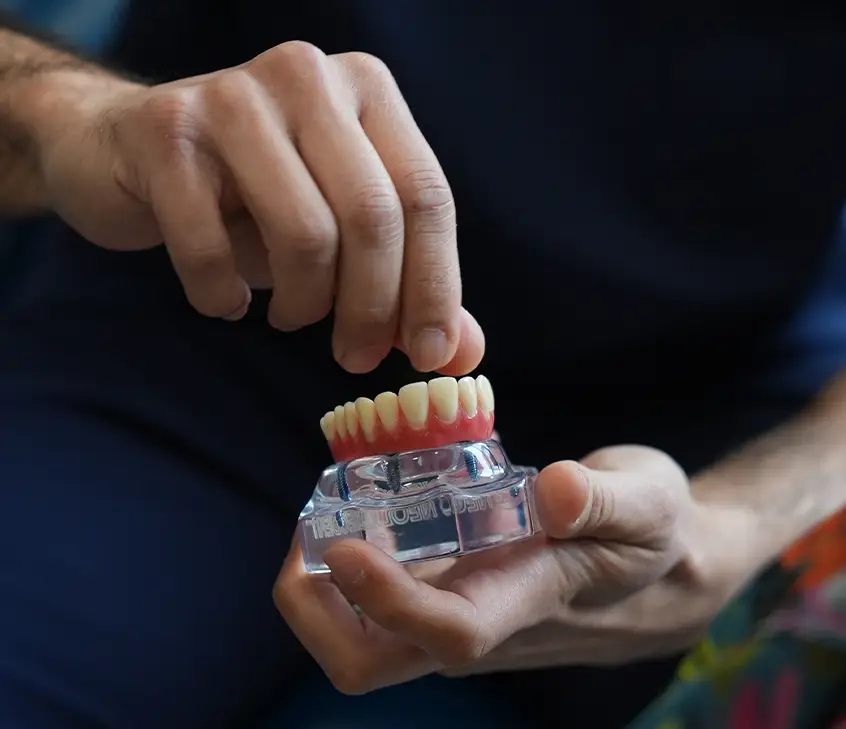
Full arch solutions: Options like All‑on‑4 or All‑on‑6 use 4–6 implants to anchor a fixed set of teeth for the upper or lower jaw. Fewer implants. Big impact.
Same‑day smiles (in the right cases): We may place temporary teeth on the day and fit the final set after healing. It’s neat and convenient, but case selection matters.
What Decides The Number On The Day?
Your mouth tells the story. We look closely at:
Bone quality and quantity: Strong, healthy bone holds implants well. If bone has thinned, we may add support with bone grafting or sinus lifts first.
Bite forces and jaw shape: Your chewing pattern, bite strength, and anatomy (like nerves and sinus positions) guide where each implant goes.
Gum health and oral hygiene: Healthy gums help implants last. If there’s gum disease, we treat that first for a stable base.
Medical history and healing: Smoking, diabetes, and some medicines affect healing. We plan around this to lower risk.
Your goals and budget: A full smile now or a step‑by‑step plan over time—both are valid. We’ll map the best route for you.
What The Treatment Journey Feels Like
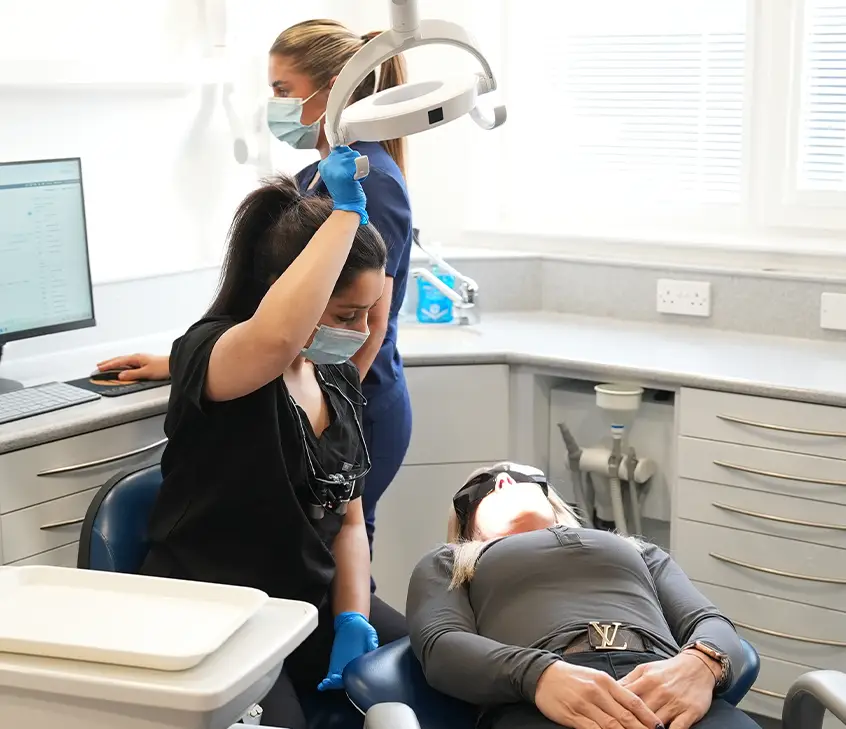
We start with a careful assessment. A 3D scan (CBCT), digital impressions, and photos. A chat about your goals—what you want to eat, how you want your teeth to look, and how soon you want to get there. Then we build a clear plan and timeline.
On the surgery day, we place the implants in precise positions, often with computer‑guided planning. You can choose local anaesthetic or IV sedation if you’d rather not remember much. After that, there’s a healing phase—usually 3 to 6 months—while the implants bond with the bone.
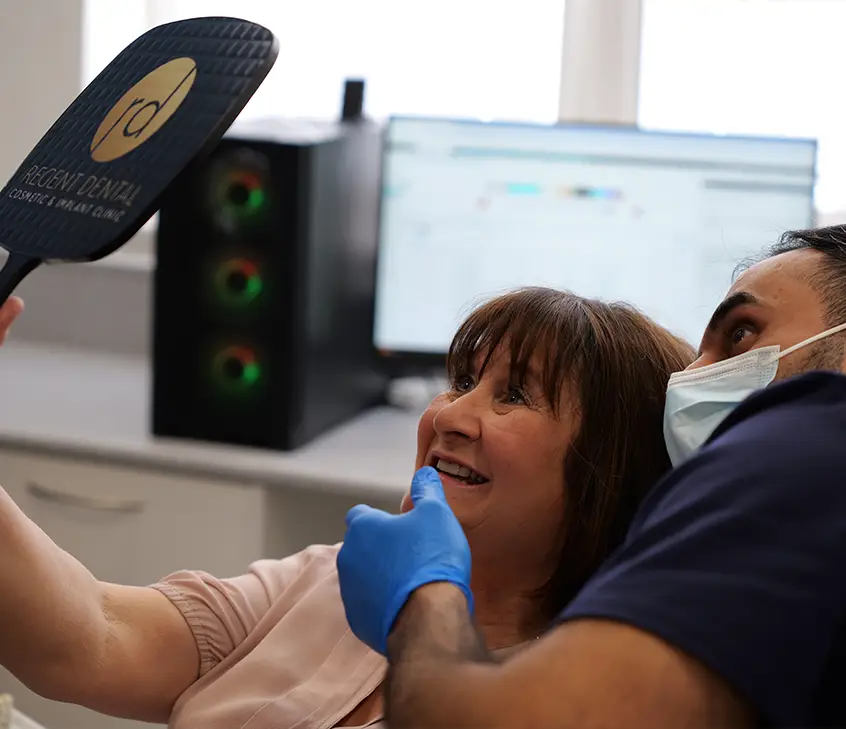
During that time, we can fit a temporary solution so you can smile and speak with confidence. Once healed, we attach the final teeth: single crowns, a bridge, or a full arch that looks natural and feels solid.
Why Place Several At Once?
Fewer visits and fewer injections
One healing window instead of many
A quicker return to normal eating and speaking
A unified design, so the bite works in harmony across your mouth
What To Expect After Surgery
Implant surgery is well tested and safe, but it’s still surgery. Mild swelling, bruising, or tenderness is common for a few days.
Pain is usually well managed with simple pain relief and a soft diet. Very rarely an implant doesn’t bond with the bone and needs replacing. Good home care and regular check‑ups make a huge difference to success. Honestly, that routine—brushing well, cleaning between teeth, keeping gums healthy—does as much for longevity as the surgery itself.
A Quick Word On “How Many Is Too Many”
It’s not about chasing a number. It’s about placing the right number, in the right places, for the right result. Sometimes that’s one.
Sometimes it’s four per jaw for a full arch. Sometimes we use six for extra support. More implants aren’t automatically better; smarter planning is. Balance matters. So does your bite.
A Real Story From Our Clinic
A local patient came to us after years of denture struggles. Eating out felt awkward. They missed crusty bread and a good steak. We placed six implants in the lower jaw in one appointment and fitted a fixed bridge after healing.
Their first update? “I booked a Sunday lunch and had roast potatoes without worry.” A small moment. A big change. Life as it should be—easy, social, joyful.
Costs And Timing, Put Simply
More implants can mean higher fees and more chair time. But using a bridge or a full arch on fewer implants is often more cost‑efficient than replacing every single tooth. We’ll talk through timescales, stages, fees, and what to expect—no surprises. Clear choices. Clear numbers. You stay in control.
A Short Detour On Bone Grafting
If you’ve been missing teeth for a while, the jawbone can shrink. Don’t panic. We can often rebuild and strengthen areas with bone grafting so implants have the support they need. It adds time to the plan, yes. But it sets you up for long‑term success and a stable bite. The goal? Teeth that look good and feel strong for years.
Choosing An Implant Dentist In The UK
Look for a team that uses 3D imaging, plans digitally, and gives clear aftercare. You want a natural result, a stable bite, and a plan that fits your life. Experience matters. So does communication. If you’re near Ilkley or West Yorkshire, pop in and have a chat. Bring your questions. We’ll put the kettle on.
The Bottom Line
You can have multiple dental implants placed at once, and many people do. The exact number depends on your bone, your bite, and your goals—not a one‑size‑fits‑all formula. With approaches like All‑on‑4 and All‑on‑6, we can give you a full, confident smile with fewer implants, less surgery, and a smoother recovery. Thoughtful planning. Predictable results.
About Regent Dental
Regent Dental is a leading dental and aesthetic clinic in Ilkley, West Yorkshire. We combine advanced implant care with warm, honest advice. From a single missing tooth to full mouth dental implants, we plan each case with precision and a touch of Yorkshire common sense.
If you’d like tailored guidance or a second opinion, book a consultation through our reception team or via our website. We’d be delighted to help you get back to eating, laughing, and living with confidence.
Conclusion
If you’re wondering how many dental implants you can have at once, the answer is simple: as many as you need, placed where they’ll work best. The right plan balances strength, comfort, and cost. Fewer implants can still restore a full smile when used wisely. With clear planning and good aftercare, you can enjoy food, conversation, and daily life again—without worry.