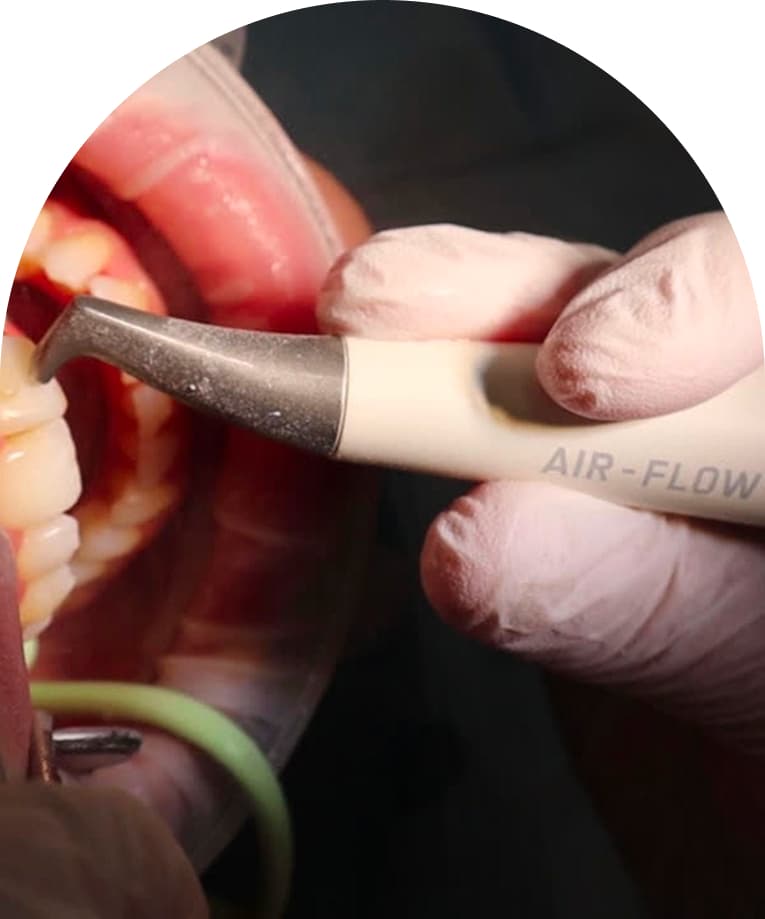

Dental implants are a reliable way to replace missing teeth. They look natural. They feel secure. And when placed well, they last for years. Still, it’s normal to have questions before surgery. Like stitches. How many will you have? Will they hurt? The short answer: fewer than you think. And at Regent Dental in Ilkley, we’ll talk you through it all so you feel calm, ready, and cared for.
A Quick Look At What Actually Happens
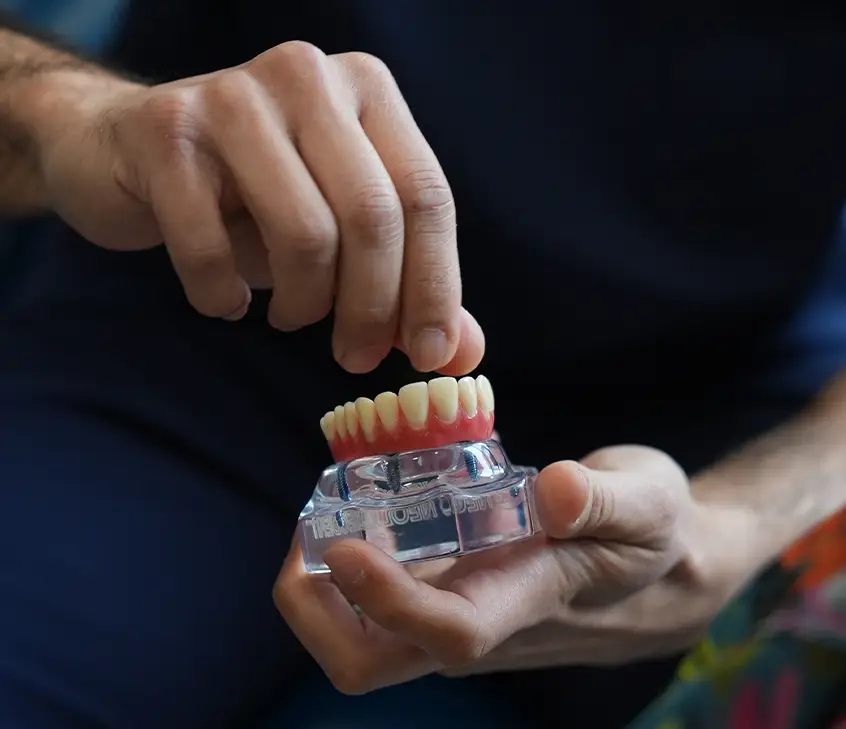
A dental implant is a small titanium post that sits in your jaw and holds a crown. The whole process is planned with care and done under local anaesthetic. Here’s the simple flow:
Consultation and scans to map your mouth
Surgical placement of the implant in the bone
Healing time while the bone bonds to the implant (osseointegration)
Abutment and crown fitted when the site is stable
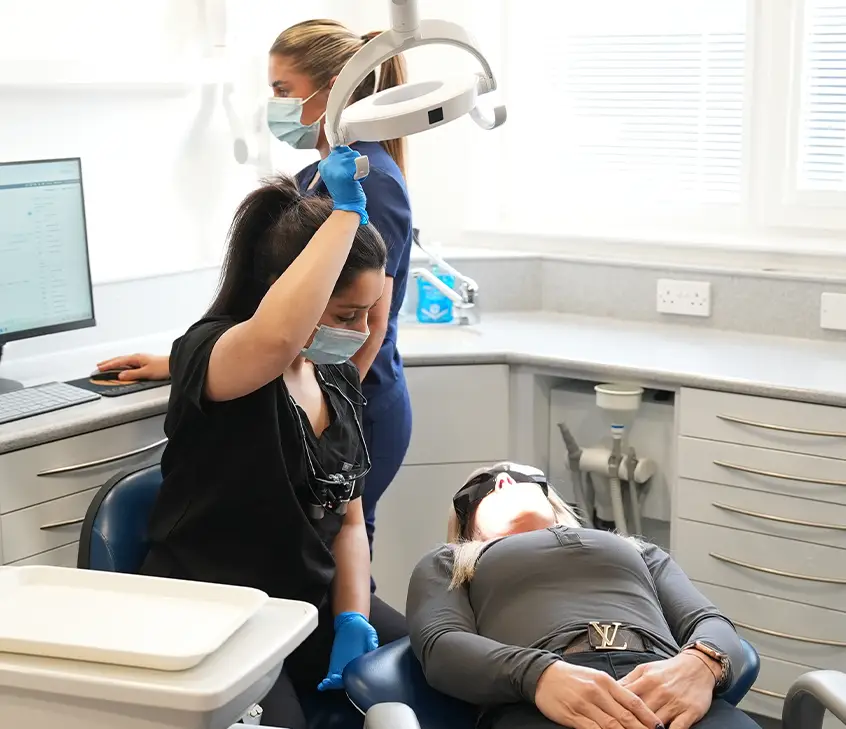
During surgery, we gently lift the gum, prepare the bone, place the implant, and close the gum with stitches. Neat and secure. That closure helps the area heal in the right shape.
Why Stitches Matter (And How They Help)
Stitches, or sutures, do more than hold things together. They:
Protect the site from food and bacteria
Keep the gum in the right position as it settles
Reduce bleeding and swelling
Support tidy, predictable healing
Think of it like fastening a seam so it doesn’t fray. A small detail. A big difference.
So… How Many Stitches After A Dental Implant?
There’s no single number. Every mouth is different. For a single implant, most people have between 2 and 6 stitches. Sometimes fewer. Sometimes a touch more. It’s all about what your gum and incision need on the day. The aim is a snug, well-sealed site, not a target number.
What Affects The Number?
Number of implants: one site needs fewer stitches than several
Size and position of the incision: a wider flap needs more support
Type and pattern of sutures: different techniques suit different gums
Your gum thickness and shape: anatomy matters
Any added procedures: for example, a small bone graft may change the plan
It’s less about counting loops of thread. More about how the tissues sit, how they feel, and how they heal.
Absorbable Vs Non-Absorbable: What’s The Difference?
Absorbable stitches: these soften and dissolve on their own, usually in 7–14 days. No removal needed. Easy and comfortable.
Non-absorbable stitches: these stay put and are taken out after about 7–10 days. Quick appointment. No fuss.
At Regent Dental Ilkley, we use absorbable sutures whenever they suit the case. They’re simple and convenient. If your gum needs extra support, we may use non-absorbable. We’ll explain why, in plain English, before we start. No surprises. No jargon.
What The First Week Feels Like (And How To Care For It)
The site may feel tender for a day or two. A little swelling is normal. You might feel a bit tired. That’s fine. Rest helps. Here’s how to support smooth healing:
Cool the cheek with a wrapped ice pack for 10–15 minutes at a time on day one
Sleep with your head slightly raised for the first couple of nights
Keep your mouth clean: start gentle saltwater rinses after 24 hours (no hard swishing)
Brush as normal, but be delicate around the stitches
Eat soft foods: yoghurt, mashed potato, scrambled eggs, pasta, soups that are warm not hot
Skip smoking and alcohol while the tissue heals
Take pain relief as advised; if you’re given antibiotics, finish the course
Drink plenty of water to stay hydrated
A small thing that matters: don’t poke the stitches with your tongue or fingers. It’s tempting. Don’t. Treat the area like a paper cut, you’d leave it be.
What To Expect With Follow-Ups
If you have non-absorbable stitches, we’ll see you after about a week to remove them. It’s quick and comfortable. If your stitches are absorbable, they will fade on their own, but we’ll still check your healing. We’ll keep an eye on the gum shape, the colour, and your comfort. Step by step, all the way to your crown.
When To Call Us
Some things are normal. Some are not. Pick up the phone if you notice:
Heavy or prolonged bleeding
Pain that doesn’t settle with medication
Ongoing swelling, pus, or a fever
Stitches coming loose very early on
A bad taste that doesn’t improve after rinsing
We’d always rather you call and it be nothing than sit at home and worry. Truly.
A Real Story From Our Clinic
Mrs S, 45, came to Regent Dental for a single implant to replace a molar. Dr Patel placed the implant under local anaesthetic and closed the gum with four absorbable stitches. She followed her aftercare to the letter, soft foods, gentle rinses, feet up with a cuppa. Mild swelling for two days. Very little pain. Her stitches dissolved after 10 days. The site healed beautifully, and a few months later her new crown went in. Simple. Steady. Successful. She now chews on both sides again, and smiles without thinking.
Little Tips That Make Life Easier
You can go back to work the next day for most desk jobs
Light exercise is fine after 48 hours; skip the gym heroics for a week
Warm drinks are fine; avoid very hot tea and coffee for the first day or two
If you grind your teeth, tell us, we can plan protection with a night guard
Keep meals simple for a few days; think soft, cool, and easy to chew
If you wear a denture near the site, we’ll advise when it’s safe to use it again
Keep pets and small hands away from your pillow the first night—clean space helps
What Happens Next In The Implant Journey
After the first week, most of the tenderness fades. The deeper healing carries on. The bone bonds to the implant over the next few months. You may not feel it happening, but it is. We’ll bring you back to check stability. When it’s ready, we fit the abutment and take precise scans or impressions for your crown. This is the fun part. The bit you see. Your new tooth is shaped and shaded to blend with your smile.
The Bottom Line
Most people with a single dental implant will have 2–6 stitches. Absorbable sutures are common in the UK and at our Ilkley practice, but we choose what best supports your gums and your surgery. With clear instructions and simple home care, healing is smooth and predictable. The number of stitches? Less important than a tidy, secure closure that helps the gum sit just right.
About Regent Dental
Regent Dental is a modern dental and aesthetic clinic in Ilkley, West Yorkshire. We provide general care alongside advanced restorative and cosmetic treatments, including dental implants. Our implant dentist plans every step with you, from scan to smile. We use high-quality materials, precise techniques, and a calm, friendly approach. Your comfort matters to us—on the day, in the first week, and for the years ahead. If you’d like to talk through stitches, healing, or timing, we’re here to help. Call our team and book a consultation when you’re ready.
Conclusion
Worried about stitches after a dental implant? You likely won’t need many, usually 2–6, and they’re there to protect your healing. Absorbable stitches often dissolve on their own in 7–14 days; non-absorbable ones are removed in about a week. Follow the simple aftercare, keep the site clean, and rest. At Regent Dental in Ilkley, we’ll guide you through each step so you know what to expect and when. Clear plan. Comfortable process. Strong, natural-looking results.