Teeth don’t send calendar invites. Life does its thing. The school run turns into the late train. That “quick check-up” slips a season. Then two. It happens. But your mouth doesn’t wait. It affects how you eat, speak, smile, and feel in yourself.
So how often should you actually go to the dentist? Twice a year is the classic line. Handy, yes. But the best answer is a bit more personal—and a lot more useful.
The Six‑Month Rule: Helpful, Not Holy
For years, the simple advice has been a check-up every six months. It’s easy to remember. And it works well for many people. Regular appointments catch tooth decay, gum disease, and tiny cracks before they grow. A professional clean lifts plaque and hardened tartar that brushing and flossing miss. Early is easier. Early costs less. Early is calmer.
A Note For The UK
In the UK, NICE guidance sets recall times by risk. Your dentist may suggest anything from every 3 months to up to 24 months between check-ups if your risk is very low. Children are usually seen more often because their mouths change quickly as they grow. So the six‑month rhythm suits plenty of people. But the smarter move is a plan built around you.
Why The Twice‑A‑Year Idea Stuck
Problems are found earlier, so treatment is simpler.
A proper scale removes tartar and helps stop gum disease.
Your home care gets a reality check and a refresh.
Fillings, crowns, implants, and other work stay in good shape.
When Less—Or More—Makes Sense
We’re not all playing the same game with our teeth. Some things change the timetable.
Your current oral health: If your gums are healthy and you rarely get decay, once a year may be enough. If you’re prone to cavities, bleeding gums, or you’re in active treatment, you may need visits every 3–4 months.
Age and life stage:
Children and teens change fast. Frequent reviews spot issues early.
Adults need steady care. More often if you have lots of restorations.
Older adults may have dry mouth, gum disease, and wear. Closer monitoring helps.
Lifestyle and habits: Smoking or vaping raises risk. So do frequent sugary snacks, fizzy drinks, sports drinks, and heavy tea or coffee. Little and often grazing is tough on teeth.
Medical conditions and medicines: Diabetes, reflux, autoimmune conditions, and tablets that dry the mouth raise the chance of decay and gum disease. Low saliva means fast trouble.
Previous dental work: Implants, bridges, dentures, braces, and aligners do best with regular check-ups and hygienist care.
When To Come In Sooner
Don’t wait for your diary if you notice:
Toothache or ongoing hot/cold sensitivity
Bleeding gums, bad breath, or a strange taste
Chips, cracks, loose teeth, or a change in your bite
Sores, white patches, or red patches for more than two weeks
Jaw pain or headaches from clenching and grinding
Daily Habits That Make The Difference
Think of this as the everyday MOT for your mouth.
Brush twice a day with fluoride toothpaste (1,350–1,500 ppm). Spit, don’t rinse.
Clean between teeth once a day with interdental brushes or floss.
An electric brush with a small, round head helps. Slow and gentle wins.
Keep sugary and acidic food and drink to mealtimes. Watch the snacking.
Love a brew? Try to skip the sugar in tea and coffee.
Use a fluoride mouthwash at a different time to brushing if advised.
Chew sugar-free gum after meals to boost saliva.
Drink plenty of water. Saliva protects teeth.
Clean your night guard or retainer properly. Every night.
A Straight Talk On Gum Health
Gum disease is sneaky. It often doesn’t hurt until it’s advanced. The early stage (gingivitis) is reversible with good cleaning and help from your hygienist. The later stage (periodontitis) needs ongoing care to stay stable.
If your dentist mentions “pockets” or “biofilm”, they’re checking how your gums grip your teeth and how bacteria behave. Jargon aside, healthy gums don’t bleed. If yours do, it’s time to come in.
Does Tech Change How Often You Should Go?
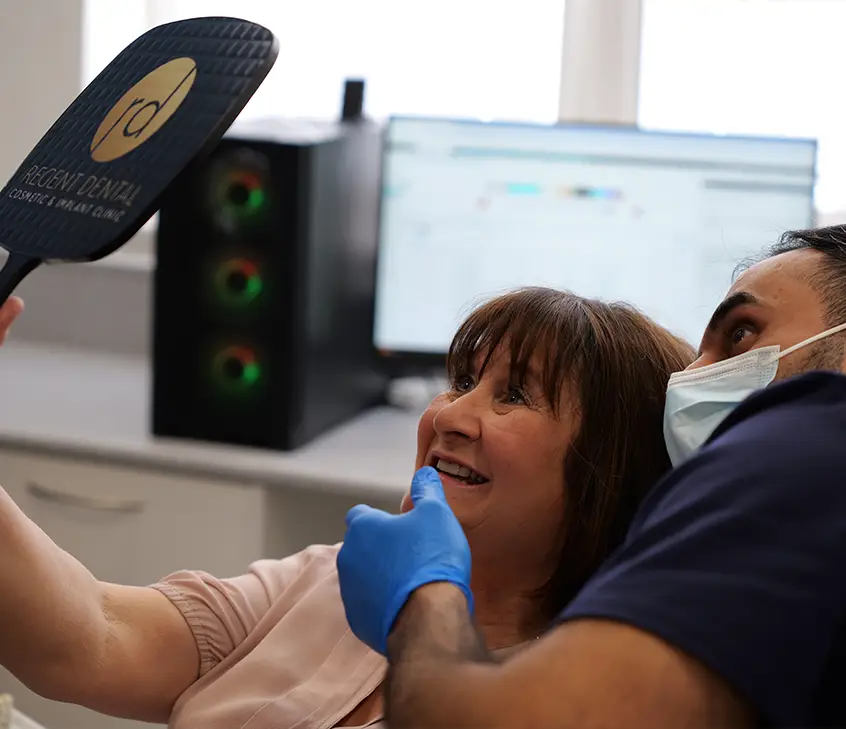
It can. Digital X‑rays use less radiation and help spot issues early. Intraoral cameras let you see what we see, which is motivating. Risk tools, caries‑detecting aids, and even virtual check‑ins can fine‑tune your recall. Some people can safely stretch visits. Others do better with shorter, sharper reviews. Personalised care isn’t fancy talk—it’s prevention working smarter.
So, How Often Should You Really Go?
Use six months as a starting point. Then let your dentist tailor it. Low risk? You may move to annual visits—or even longer in some cases. Higher risk or in active treatment? Every 3–4 months tends to be best. The key is consistency. Your mouth changes with seasons, stress, hormones, and habits. A plan that flexes with your life makes all the difference.
The Quiet Power Of Regular Visits
There’s the obvious bit—cleaner teeth, fresher breath, fewer surprises. And there’s the peace of mind. The small lift of hearing, “All looks good.” Or catching a problem while it’s tiny. Early is easier. Early saves money. Early means less time in the chair.
A Few Everyday Wins
Time your brushing: two minutes, twice daily. Focus on the gum line.
Pick interdental brushes that fit snugly. Different gaps may need different sizes.
Keep a travel brush at work or in your bag. Handy after lunch.
If you snack, go for cheese, nuts, or veg sticks. Less sugar, less acid.
Dry mouth? Sip water often. Sugar‑free gum helps. Some gels and sprays can too.
Wear a mouthguard for contact sports. Chips and fractures are no fun.
Wake up with jaw ache? Mention it. Night guards can protect teeth from grinding.
What If You Haven’t Been For A While?
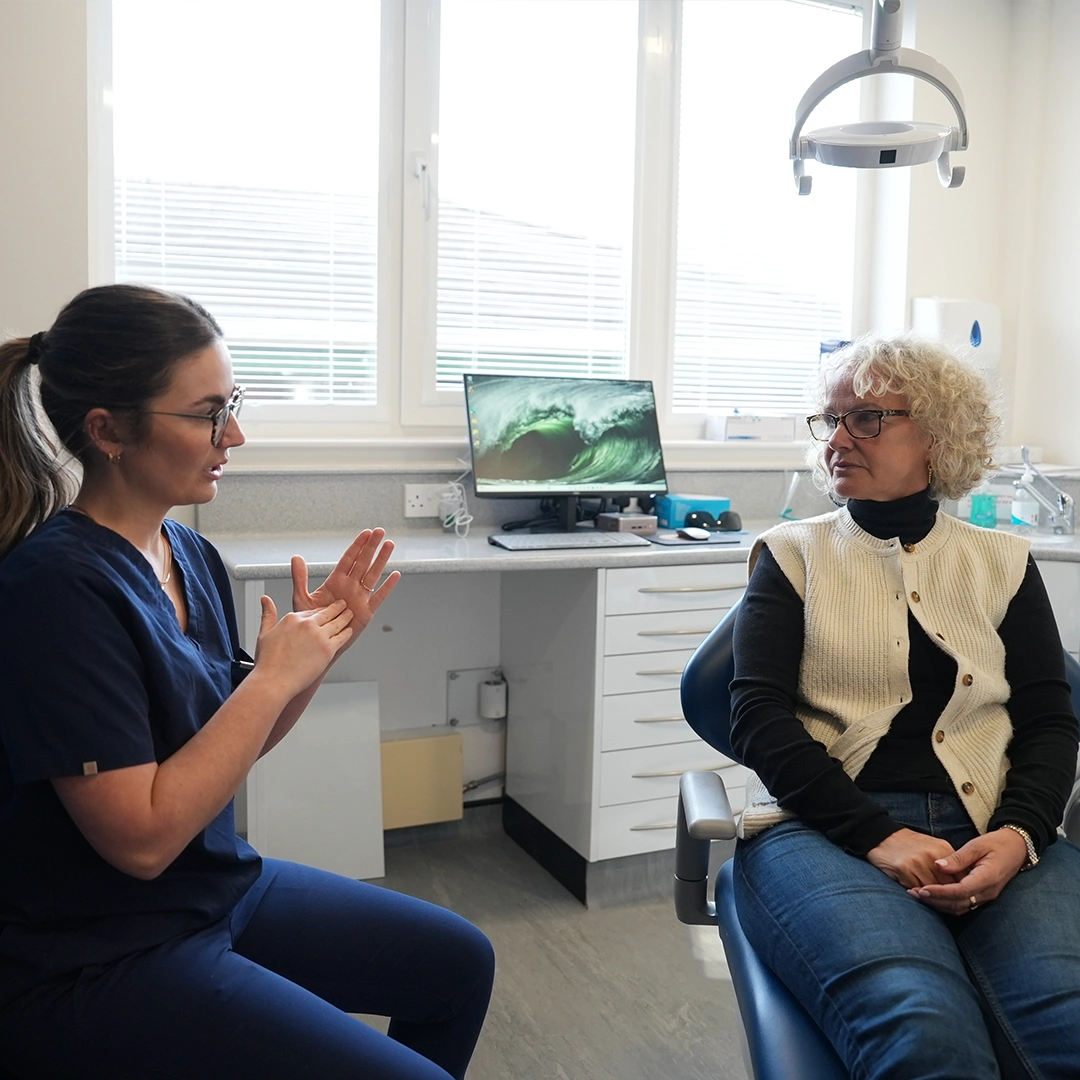
No judgement here. It’s common. Life gets busy. Book a check-up and start fresh. We’ll look, listen, explain, and plan. One step at a time. You’ll leave knowing where you stand and what comes next. That first appointment is the hardest. After that, it’s routine.
NICE Guidance In Practice
Risk isn’t a label. It’s a guide. Your dentist will look at your teeth, gums, saliva, diet, lifestyle, and past history. Then they’ll suggest a recall interval that fits you. It might be three months to get things stable. It might stretch to 12–24 months once everything is calm and low risk. Children are seen more often because things change fast as teeth come through and jaws grow. Simple, sensible, and tailored.
What About Hygienist Visits?
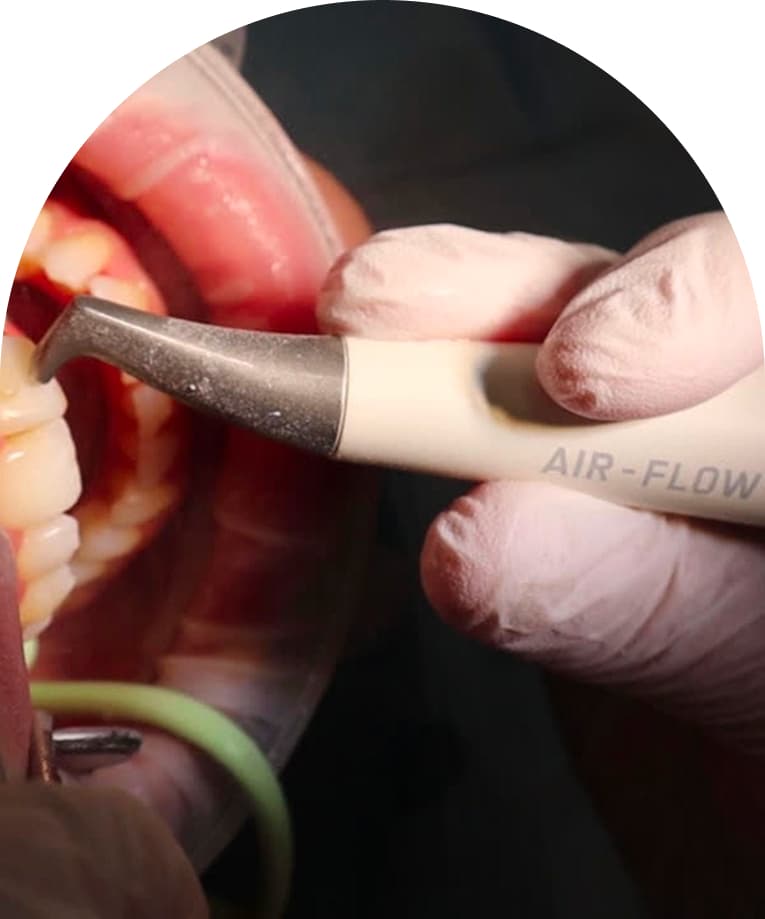
Think of your hygienist as your coach. They remove tartar, clean around tricky spots, and help you tailor your home care. If you have gum disease or implants, you may need regular maintenance to keep things stable. If your gums are healthy, a polish every so often keeps things in good order. It’s less about a fixed rule and more about what your mouth needs now.
Small Signs Worth Noting
A line of redness along the gums
Bleeding when you brush or floss
Food catching in new places
A rough patch on a tooth or filling
A crown that feels high or “different”
Tiny changes can be the early warning. Flag them sooner rather than later.
About Regent Dental
At Regent Dental in Ilkley, we mix modern tech with warm, down‑to‑earth care. We’re big on prevention, clear on options, and gentle with nervous patients. Whether you need a routine check‑up, a hygienist visit, cosmetic care, or restorative treatment, we’ll shape a plan around your life—not the other way round.
Think of it as an MOT for your mouth with a proper Yorkshire welcome. Ready to keep your smile in good nick? Book your appointment with Regent Dental in Ilkley. One small step now saves a lot later.
Conclusion
How often should you visit the dentist? Start at six months, then adjust to your risk, your habits, and your stage of life. Simple as that. Regular check‑ups catch problems early, keep gums healthy, and give you confidence day to day. Build a routine you can stick to. Keep up the small daily habits. And if something feels off, don’t wait. Your future self will thank you.