Losing a tooth can throw you. Your smile looks different. Your bite shifts. And your confidence can dip. The good news? A well-planned dental implant can bring back comfort, strength, and ease.
Most people ask one thing first: how soon after tooth loss can you get an implant? The short answer: timing matters. And it isn’t the same for everyone. At Regent Dental in Ilkley, we look at the whole picture so your implant feels natural, looks right, and lasts.
Understanding Dental Implants
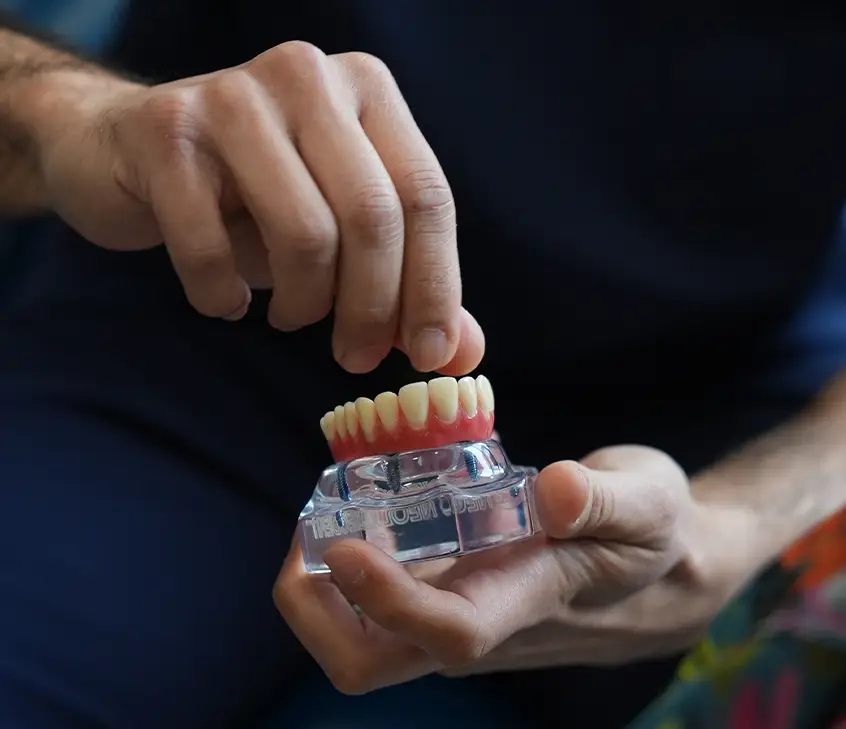
A dental implant is a small titanium post. It sits in your jaw like a new root. On top, we fit a crown that blends with your other teeth. Because the implant bonds with your bone, it’s steady and secure. It doesn’t move when you chew or speak. Unlike dentures or a bridge, implants also help slow bone loss. They stop neighbouring teeth drifting into the gap. They help your jaw stay strong.
Why Timing Matters So Much
Your jawbone likes work. It needs regular pressure from your teeth. When you lose a tooth, the bone below can start to shrink. Use it or lose it. That shrinkage (we call it resorption) can begin within weeks and continue for months. Act early and we can often keep more bone. Wait too long and we may need to rebuild bone first. Sometimes that’s the best plan. Sometimes it isn’t. The skill is knowing when.
The Usual Windows For Placing A Dental Implant
1) Right away: immediate placement (same day or within days)
What it means: We take out the tooth and place the implant there and then.
Why it can be great: Fewer visits. Less bone loss. Often a smoother journey.
When it works: Healthy bone, stable bite, no active infection, and good gum support.
When it doesn’t: If there’s infection, serious damage, or not enough bone to hold the implant.
2) Soon after: early placement (about 4–8 weeks after extraction)
What it means: We let the socket settle and the gums calm, then place the implant before the site reshapes too much.
Why it helps: Tissues are quieter. Bone is still generous. A sensible middle ground.
When it suits: Infection has cleared. Soft tissues need a short breather.
3) Later on: delayed placement (around 3–6 months or more)
What it means: We wait for full healing and place the implant after the site has fully settled.
Why it’s sensible: Best when infection needs time to resolve or the site was complex or damaged.
What to note: Bone may shrink more. You may need a bone graft or a sinus lift first to rebuild height or volume.
Factors That Decide Your Timeline
Bone density and shape: We need enough bone to hold the implant steady. If not, we rebuild. That might be a small graft. In the upper back jaw, it might be a sinus lift to create space for safe placement.
Gum health and infection: Any infection has to be treated first. Healthy gums mean calmer surgery and cleaner healing.
Your general health and habits: Diabetes, some medicines, and smoking can slow healing. They don’t always rule out implants, but they shape the plan and timing. Cutting down smoking helps a lot.
Tooth position and bite: Front teeth bring extra detail. The gum line and smile line matter. We may use different techniques to protect the gum shape and keep your smile natural.
How you use your mouth: Heavy clenching or grinding can affect stability. We may suggest a night guard to protect your new tooth as it heals.
Planning And Assessment
We always start with a full implant consultation. Digital X-rays and a 3D CBCT scan show bone quality, nerve positions, and sinus anatomy. We assess space, bite, and gum levels. With that, we map out your timing, discuss immediate implant options, and decide if a graft is needed now or later. We also talk about your day-to-day life. Do you speak a lot at work? Play contact sport? Travel often? Need a quick solution for appearance? All of this feeds into a plan that is clear and predictable.
Temporary Tooth Options While You Wait
No one wants a visible gap. While things heal, we can fit a neat temporary. Options include:
A small removable denture (a “flipper”) that clips in and out.
A simple adhesive bridge that sticks to a nearby tooth.
A temporary crown on the implant, if the case allows and the implant is stable enough.
These options keep you smiling in photos. They help you feel normal day to day. And they protect the site while it heals.
Aftercare And Healing Tips
How to care for the site after extraction or implant placement
Keep the area clean. Brush gently and use saltwater rinses as advised.
Avoid smoking. It’s one of the biggest risk factors for implant problems.
Stick to the aftercare plan we give you. Small steps make a big difference.
Come to your review visits so we can check healing and adjust as needed.
Eat soft foods for a short while. Avoid chewing hard on the site at first.
Case Example
A 45-year-old patient lost a lower molar due to deep decay. The gums were healthy. The CBCT scan showed strong bone. We cleaned the area, allowed the soft tissues to settle, and placed the implant at six weeks. This timing kept bone loss to a minimum and made the final crown easier to fit. The result looked natural and felt solid. Most important to the patient? Eating felt normal again. Simple. Secure. Confidence restored.
How Soon Is “Soon”?
So, how soon is “soon” after tooth loss? Many patients do well with implant placement within 3–6 months. Some can go immediate. Others need a short pause or a graft first. There’s no prize for speed. Only for doing it right—safely and predictably. The best route is the one shaped to your mouth, your health, and your goals. Quick where it helps. Careful where it counts.
What To Expect At Your Appointment
A calm chat about what you need and what bothers you most.
Photos, X-rays, and often a 3D scan for precise planning.
A clear rundown of choices: immediate, early, or delayed.
A simple explanation of any graft or sinus lift if needed.
An outline of visits, healing time, and what to wear while you wait.
Straight answers to your questions. No jargon.
Why Regent Dental For Dental Implants In The UK
At Regent Dental Ilkley, we blend clinical precision with a warm, human touch. We use advanced imaging, modern materials, and careful surgical planning. We keep the language plain and the journey clear, from consultation to final crown. You’ll always know what’s next and why it helps. That mix—science plus care—makes a difference you can feel.
Ready To Talk Timing?
If you’ve recently lost a tooth, or you’re weighing up your options, we’re here to help. Book a dental implant consultation at our Ilkley clinic. We’ll check your bone, talk through immediate and early placement choices, and plan a timeline that fits your life. We focus on long-term success. And on getting you smiling with confidence again.
About Regent Dental
Regent Dental is a modern dental and aesthetic clinic in Ilkley, UK. We provide general, cosmetic, and restorative care, including dental implants. Our team focuses on clinical excellence with aesthetic detail, using digital planning and gentle techniques. We’ll help you feel at ease—and walk out smiling.
Conclusion
Losing a tooth is tough. The right implant, placed at the right time, brings back strength, comfort, and confidence. Whether your best route is immediate, early, or delayed placement, a clear plan makes all the difference. At Regent Dental Ilkley, we tailor the timing to your health, your smile, and your life. Ready when you are.