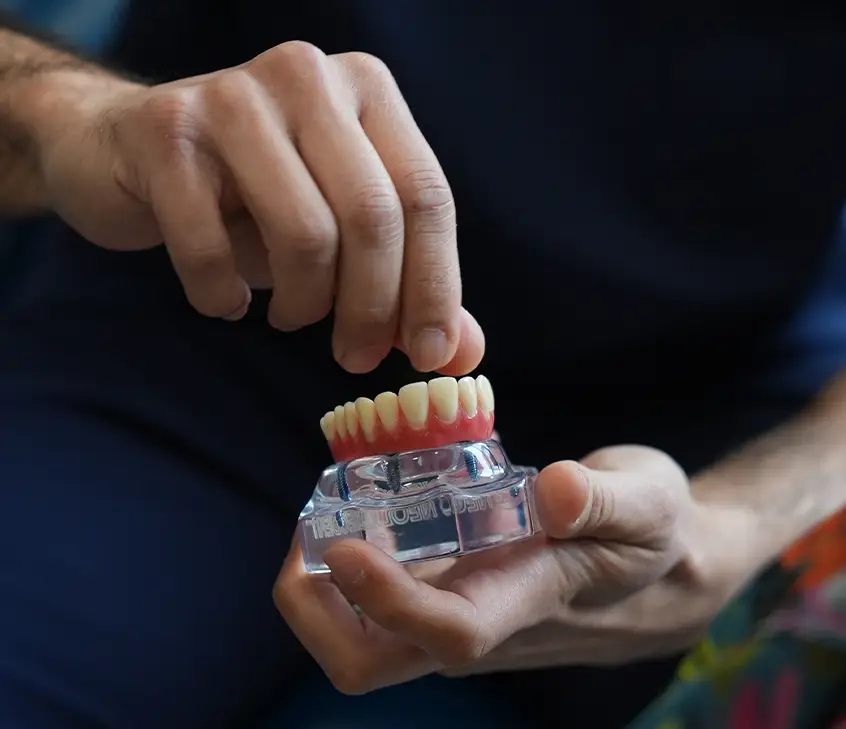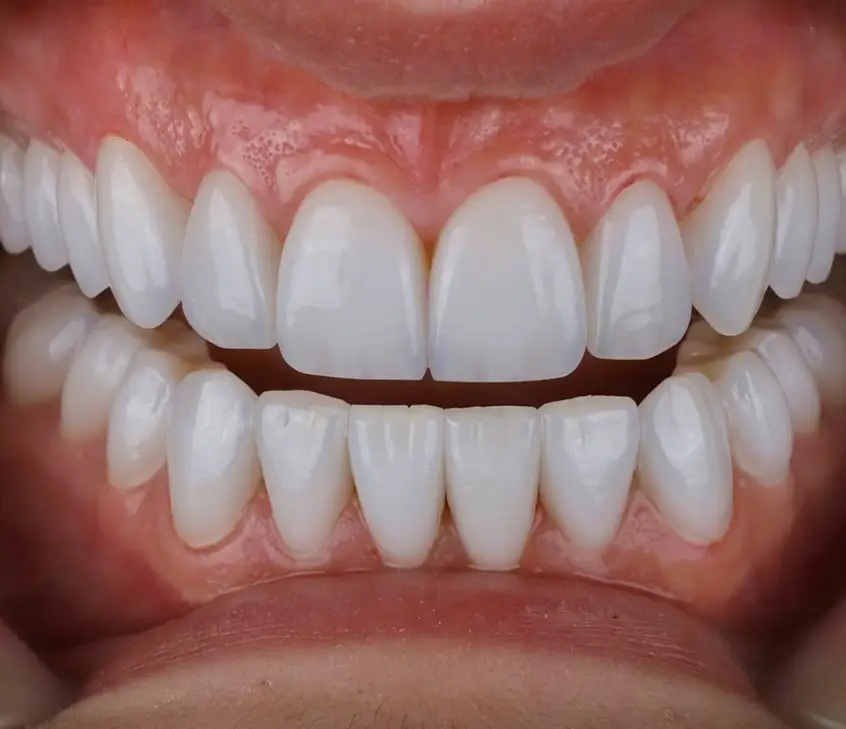
Dental implants are a brilliant, long-lasting way to replace missing teeth. They look and feel natural. They protect your jawbone. They let you smile and eat with confidence. But here’s the truth: even the best implants need care each day. Small habits make the difference between years of ease and little niggles.
Think of your implants like a well-made pair of boots. Built to last, yes—but they still need a clean, a check, and a bit of common sense. In this guide, we’ll cover the essentials of implant care, shaped by everyday UK life and what we see in practice here in West Yorkshire.
Start With The Basics: Keep It Clean
Daily hygiene is your number-one defence against peri-implantitis. That’s inflammation and infection around the implant. It’s similar to gum disease, just around an implant instead of a tooth. The aim? Keep the area calm, clean, and free from plaque.
Brushing: Brush twice a day with a soft-bristle manual brush or a gentle electric brush. Use small circles. Take your time at the gumline. No scrubbing. Light pressure works best.
Toothpaste: Choose a non-abrasive paste. Some whitening pastes can scratch implant parts and irritate the gums. Gentle is safer.
Flossing and interdental cleaning: Clean between teeth and implants every day. If normal floss is awkward, try implant-friendly floss, floss threaders, or interdental brushes sized by your dentist or hygienist. Colour-coded sizes help you get the right fit.
Rinses: An alcohol-free antimicrobial mouthwash can help alongside brushing and interdental cleaning. If your dentist recommends chlorhexidine, use it short term only. It’s a helper, not a forever rinse.
A Quick Digression—Tea Time
We drink a lot of tea in the UK. Tannins can stain. Stains are cosmetic. Plaque is the real issue. Enjoy your brew, then rinse with water and keep up the brushing. Simple. Your smile stays brighter when you keep the film of plaque down.
See Your Dentist—Even When Everything Feels Fine
Implants don’t complain much until things are advanced. Regular checks keep you ahead of trouble. Prevention beats repair every time.
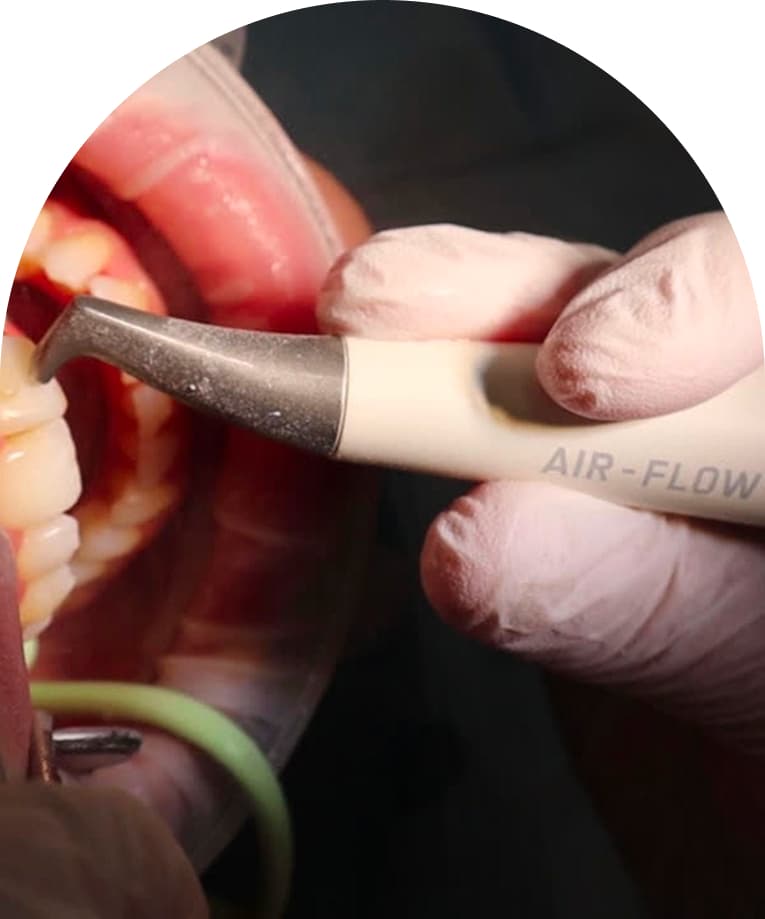
Professional cleanings: Your hygienist will use implant-safe tools and gentle polishing powders that clean without scratching. It’s careful, targeted work that protects the surface.
Exams and X-rays: Your dentist checks the gum seal, your bite, and the bone levels around the implant. X-rays now and then—often every 1–2 years, or as advised—spot early changes before you feel them.
Visit rhythm: Many patients do well with three to six-month intervals at first. Once stable, at least yearly works for most. Your schedule should fit your mouth and your risk.
Drop The Habits That Fight Your Implants
Everyday choices can shorten an implant’s lifespan. The small things stack up over time.
Smoking and vaping: Both reduce blood flow and slow healing. They also raise the risk of implant problems. Cutting down helps. Stopping is best. Your whole mouth will feel the benefit.
Grinding and clenching (bruxism): If you clench at night, ask about a custom night guard. It spreads the load and protects implants, crowns, and your jaw joints.
Chewing hard things: Crunching ice, cracking nuts, tearing packets with your teeth, or chewing pens—skip it. Your implants don’t like it. Your natural teeth don’t either.
Sport and knocks: If you play contact sport, wear a fitted mouthguard. Cheap insurance. Big peace of mind.
Choose The Right Kit For The Job
Good tools make good habits easier. They also make them more likely to stick.
Interdental brushes: Those little bottle-brushes are brilliant around implants. Use the right sizes and replace them when the bristles splay. Fresh bristles clean better.
Water flossers: Helpful if you’ve got limited dexterity, bridges, or tight spaces. They don’t replace brushing, but they flush away debris and reduce bacteria.
Gentle extras: A single-tuft brush (with a tiny head) is handy around the base of the implant and in tricky corners. Slow and steady does it.
Listen To Small Signs—And Act Early
Your mouth will whisper before it shouts. Keep an eye out for:
Redness or puffiness around the implant
Bleeding when brushing (beyond the first few days of a new routine)
Tenderness, a bad taste, or any wobbliness
Gum recession or new gaps appearing
If something feels off, call your dentist. Early tweaks are simple. Late repairs can be costly and take time. The good news? Most issues are easy to fix if you catch them early.
Eat Well, Live Well, Smile Well
Implants sit in bone and gum. Keep both healthy and they’ll reward you for years.
Balanced diet: Protein, calcium, and vitamin D support bone. Think yoghurt, leafy greens, eggs, oily fish, and pulses. In UK winters, many people consider a vitamin D supplement—ask your GP or pharmacist if it’s right for you.
Hydration: Water helps clear food and keeps your mouth comfortable. It seems small, but it counts. Sip often, especially after snacks.
Mind the sugar: Sticky sweets and frequent snacking feed plaque. If you’re having a treat, have it with a meal and brush well later. Little swaps help—cheese over toffees, nuts over boiled sweets.
Health conditions: Well-controlled diabetes means better healing and less inflammation. Your gums will thank you. So will your implants.
A Quick Story From Our Patch
One of our Ilkley patients—a keen walker who never misses the Saturday market coffee—had three implants placed a decade ago. He switched to a soft electric brush. He used colour-coded interdental brushes every night.
We spotted subtle wear and fitted a night guard. He kept his hygienist appointments, even when everything felt fine. Ten years on, the implants look and feel as new. No drama. No fuss. Just steady habits and timely checks.
What To Expect At Your Implant Reviews
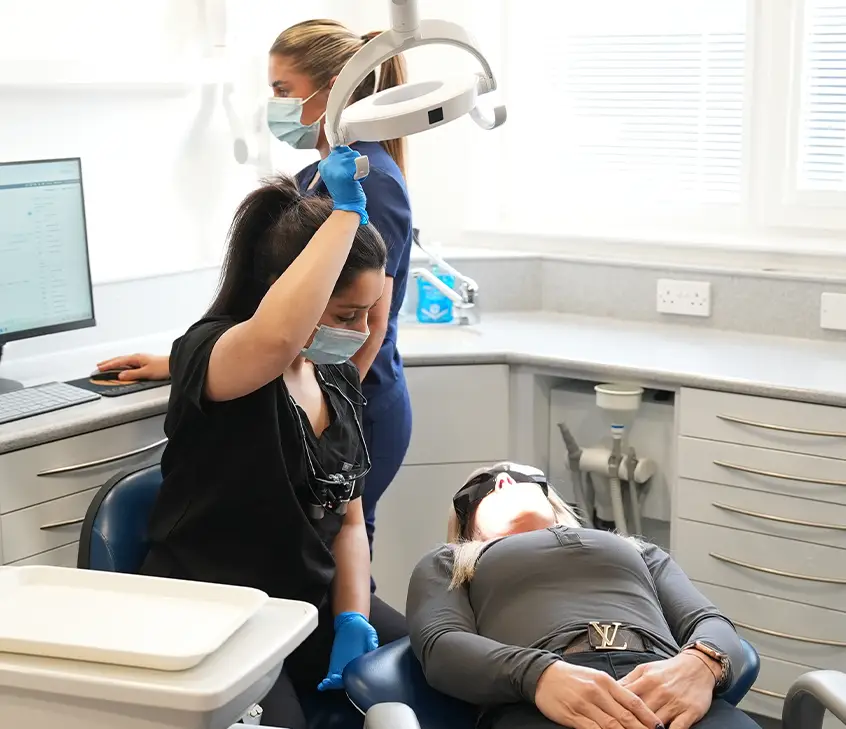
It’s not just a quick look. Your dentist will check the gum around the implant, your bite, and the fit of the crown or bridge. They’ll look for any trapped plaque, small chips, or loose screws. If needed, they’ll adjust your bite so forces are even. You may have a quick X-ray to track the bone. It’s a calm, careful process designed to keep trouble away.
Life Happens—Plan For It
Holidays, new jobs, kids’ schedules—routines slip. Build in a few safety nets.
Keep a travel brush, small paste, and interdental brushes in your bag.
Set a reminder on your phone for evening cleaning.
Book your next check-up before you leave the surgery. One less task to remember.
Little steps that keep you on track. And if you miss a day? Start again that night. Perfection isn’t the goal. Consistency is.
Myth-Busting In A Minute
“Implants can’t get cavities.” True—but the gums and bone around them can still get inflamed. Clean them like natural teeth.
“Hard brushing cleans better.” It doesn’t. It scrapes gums and can wear surfaces. Gentle wins.
“Mouthwash alone is enough.” It isn’t. It helps, but it won’t remove plaque by itself.
Bringing It All Together
Dental implants can last for decades. Care doesn’t need to be complicated. It does need consistency. Gentle brushing. Daily interdental cleaning. Regular professional checks. Smart lifestyle choices. Quick action if something changes. Keep to the basics and your implants will fade into the background of your life—exactly where they belong.
About Regent Dental
At Regent Dental in Ilkley, West Yorkshire, we combine modern implant dentistry with thoughtful, long-term care. From digital planning and 3D imaging to implant-safe hygiene programmes and personal maintenance plans, our team supports you at every step—placement, restoration, and beyond.
Whether you’re considering dental implants, need an implant review, or want practical advice to keep yours healthy, we’re here to help in a calm, patient-focused setting. Visit our website or give us a call to book a consultation. If you’re local to Ilkley—or anywhere across the Wharfe Valley—come in for a chat. We’ll put the kettle on.
Conclusion
Strong implants come from simple habits, done well. Clean gently. Clean daily. See your dentist on a steady schedule. Watch for small changes and act early. Eat well, drink water, and protect your teeth from knocks and grinding. Do that, and your implants will feel secure, look natural, and serve you quietly for years.