Losing a tooth can knock your confidence. Lose several and it can change your day. How you eat. How you speak. How you feel when someone says, “Smile!” The good news?
Modern dentistry has strong, reliable options. Dental implants and dentures. But which one actually feels most like your own teeth? Let’s look at comfort, function, and everyday life so you can choose what suits you.
What Are We Talking About?
Dental Implants: Think of an implant as a small titanium post placed in the jaw. It acts like a tooth root. Over a few months it fuses with the bone (that’s osseointegration). This gives a firm base for a crown, bridge, or even a full set. It’s fixed in place. It doesn’t come out. For most people, it behaves very much like a natural tooth.
Dentures: Dentures are removable plates that replace missing teeth. You can have a full denture for a whole arch, or a partial that clips to your remaining teeth. They rest on the gums and are held by suction, clips, or adhesive. You take them out to clean them. With a good fit, they can look great and work well.
So, Which Feels More Natural? Here’s The Crux
Sensation And Stability
Dental implants: Because they sit in bone, implants feel solid. No second guessing before biting into a crisp apple. No sliding. Speech feels normal too, as there’s nothing bulky over the palate.
Dentures: A well‑made denture can be comfy, but it still sits on soft tissue. It may move a little with harder foods or a big laugh. As gums reshape, a once‑snug fit can loosen. That can cause rubbing. And that can be annoying.
Comfort, Gums, And Face Shape
Dental implants: There’s no pressure on the gums, so fewer sore spots. Implants also keep the jawbone active. That slows bone loss and helps maintain your natural face shape. In short, your smile stays more “you” over time.
Dentures: Dentures press on the gums. The bone under the gums can shrink. When that happens, the fit changes. You may need a reline or a new set. Some people adapt well. Others find the upkeep a bit of a faff.
Care That Fits Your Routine
Dental implants: You brush and floss like natural teeth. Add regular hygiene checks. No soaking glass by the bed. Many people prefer that.
Dentures: They need daily cleaning and an overnight soak. Done well, they can be very fresh and hygienic. Skipped steps can lead to odour or sore spots. Consistency matters.
Eating, Speaking, And Day‑To‑Day Life
Dental implants: Chewing power is close to natural. Steak, nuts, crusty bread—within reason, you’re back at it once healed. Most people forget they’re even there.
Dentures: You can eat most foods. But sticky toffees, chewy baguettes, and very crunchy bits can be tricky. Speech settles with practice, though S and F sounds can take a little time at first.
Longevity And Cost (Because It Matters)
Dental implants: Higher upfront cost. Built to last. With good care, many implants are still going
strong 20 years later. Over time, they can be cost‑effective.
Dentures: Lower initial cost, which helps if you need a quicker fix. Expect maintenance—relines, repairs, and a new set every 5–8 years as your mouth changes.
Bone Preservation And Facial Support
Dental implants: They stimulate the jawbone like natural roots do. This helps maintain bone volume and the contours of your face. Cheeks stay supported. Profiles stay defined.
Dentures: Without roots in the bone, the bone tends to resorb. Over years, that can soften the jawline and change how a denture fits. More adjustments. More visits.
Is There A Middle Ground?
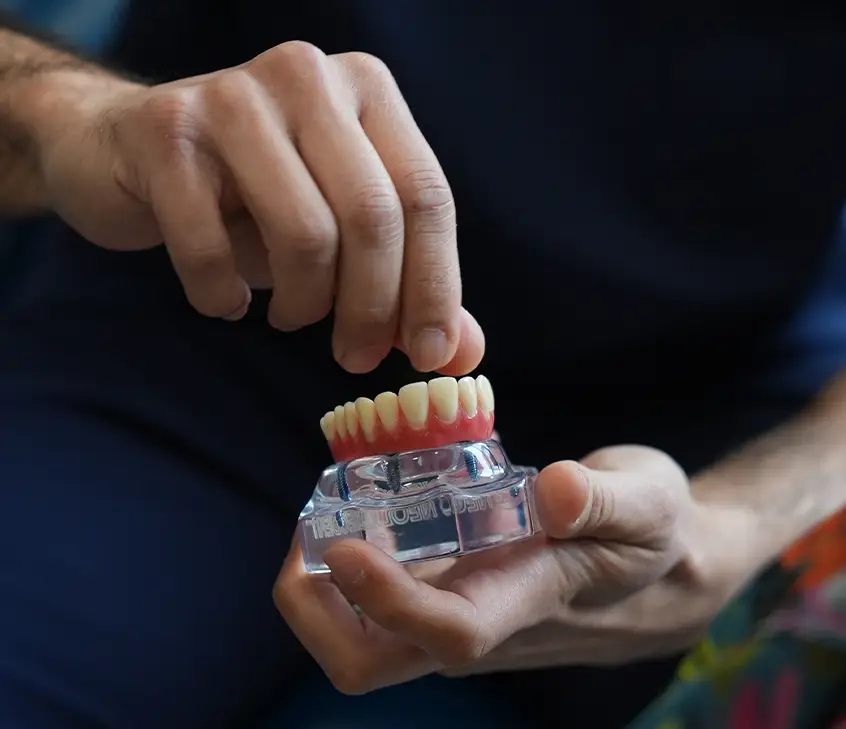
Yes, implant‑retained dentures (also called overdentures). A few implants act like studs. Your denture clicks onto them. You still remove it to clean, but stability jumps. Less wobble. More bite. For many, it’s a smart sweet spot on comfort, cost, and confidence.
Real‑World Experience
We hear it all the time. Patients who move from dentures to implants say the change is immediate. Food tastes better. Conversations feel easier. The fear of movement fades. Dentures still have a place—especially if you want to avoid surgery or keep costs down. But when you’re a good candidate, implants tend to win on natural feel and function. Day in, day out.
How To Decide What’s Right For You It’s not one‑size‑fits‑all. Think about:
Your gum health and jawbone density
Your budget and comfort with minor surgery
How you feel about daily maintenance
How many teeth you’re replacing and your smile goals
Health factors like smoking or diabetes, which can affect healing
Here’s how we help. A careful assessment, including scans, lets us see the bone, your bite, and your gums. From there, you get clear options—implants, dentures, or a blend—plus timelines and costs. No guesswork. Just a plan that makes sense.
The Bottom Line
If you want the most natural feel, implants usually come out on top. They’re steady, comfortable, and help protect the bone that supports your face. Dentures remain a reliable and affordable route for many, but they do ask for a few compromises. The best choice? The one that fits your life today and still works five or ten years from now.
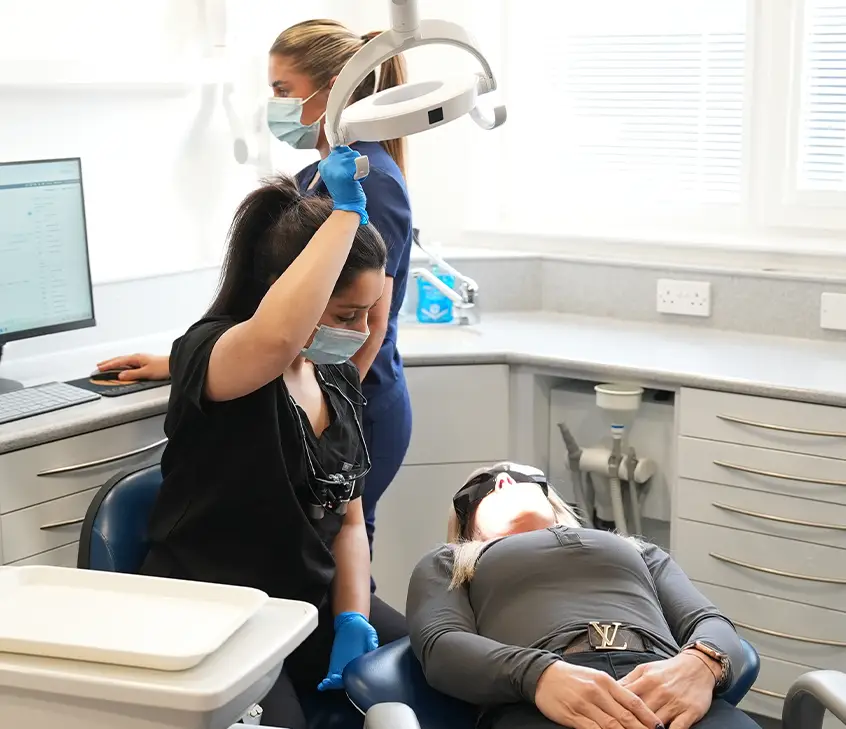
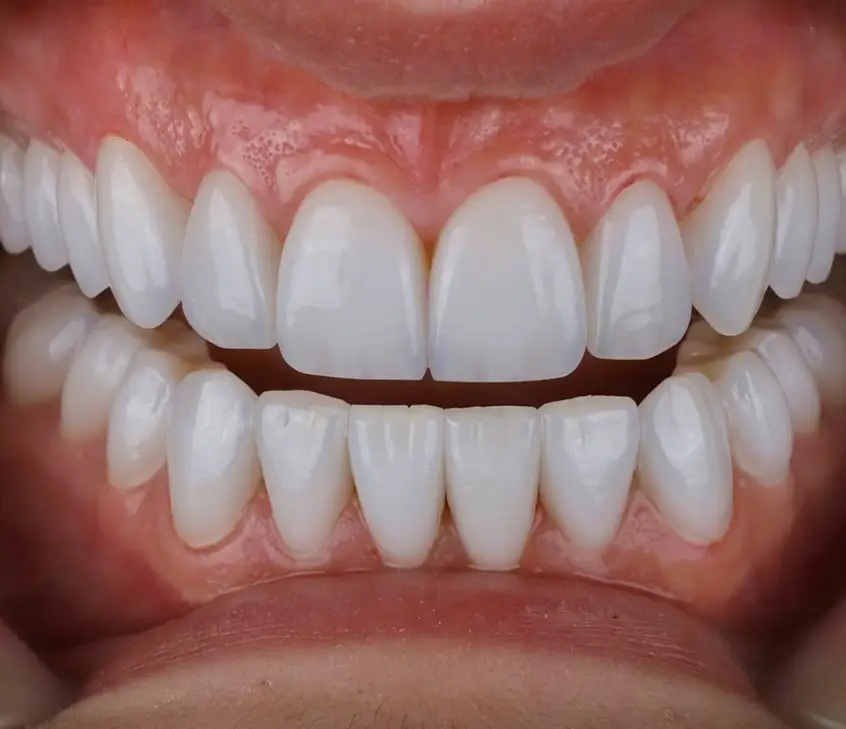
About Regent Dental in Ilkley, we pair clinical skill with an eye for detail to create natural‑looking results. Whether you’re leaning towards dental implants, dentures, or implant‑retained dentures, we use advanced imaging and precise planning to tailor treatment to you. A calm, kind approach helps too. It makes every step smoother.
Ready to explore dental implants or dentures in Ilkley? Book a consultation with Regent Dental. Let’s help you eat with ease, speak with confidence, and smile like yourself again.
Conclusion
Choosing between implants and dentures is a big call, but it doesn’t have to be hard. Know how each option feels, what it needs day to day, and how it will age with you. Talk through your goals. We’ll build a clear plan that fits your mouth, your budget, and your timeline—so you can get back to living, not just managing your teeth.
FAQs:
Can I get dental implants if I have been wearing dentures for years?
Yes, often you can. Long-term denture wear may lead to bone loss, but many patients still qualify for implants with proper assessment. In cases where the bone is thin, grafting or alternative implant types can help provide a stable foundation.
Do dental implants or dentures affect how food tastes?
Implants usually don’t affect taste because nothing covers the palate. Traditional upper dentures can reduce taste sensitivity slightly due to the acrylic plate. Many people adapt, but those wanting fuller flavour often prefer implant solutions.
What should I do if my denture keeps rubbing or causing sore spots?
Sores often mean the denture no longer fits your changing gums. A reline or adjustment from your dentist usually solves the issue. Avoid ignoring discomfort, as constant rubbing can inflame the tissue and make eating harder.
Are dental implants suitable if I grind my teeth at night?
Yes, but you may need protection. Bruxism can put extra force on implants and crowns, so dentists often recommend a nightguard. With proper management, most people who grind their teeth still do well with implants.
How soon can I go back to normal activities after implant surgery?
Most people return to work the next day, depending on how many implants were placed. Mild swelling or tenderness is normal for a few days. Strenuous exercise should wait until your dentist confirms healing is on track.