 (1) (1).png)
Invisalign® prices may change from September 2026 following a change to the VAT treatment of clear aligners in the UK.
This does not necessarily mean that the full cost of Invisalign® treatment will increase by 20%. Clear aligners are only one part of a clinically managed treatment plan, which may also include assessment, digital scans, planning, review appointments, refinements and retention.
Regent Dental will need to update its Invisalign® fees to reflect the increased cost of providing aligners. Any fee that applies to your treatment will be explained clearly before you decide whether to proceed.
If you are already considering Invisalign® treatment in Ilkley, arranging an assessment before September may give you more time to understand your options under the current pricing structure.
Why Are Invisalign® Prices Increasing?
A recent UK tax decision changed how VAT applies to Invisalign® clear aligners.
Clear aligners are now treated as orthodontic appliances rather than dental prostheses for VAT purposes. This will increase the amount dental practices pay for the aligners used during treatment.
The effect is likely to vary according to the type of Invisalign® plan, the number of aligners required and the pricing arrangements of each dental practice.
Will Invisalign® Treatment Cost 20% More?
Not necessarily. VAT may affect the aligner component of treatment, but your complete Invisalign® fee covers much more than the physical aligners.
A dentist-led Invisalign® plan may include:
An examination of your teeth, gums and bite
Digital photographs and three-dimensional scans
A personalised tooth-movement plan
A digital preview of the proposed outcome
The manufacture and supply of your aligners
Clinical monitoring throughout treatment
Review appointments
Additional refinement aligners where included and clinically appropriate
Advice about retainers and long-term maintenance
The overall increase, if any, will depend on how much of the treatment fee relates to the aligners themselves.
It should not be assumed that every Invisalign® patient will pay exactly 20% more.
When Could Regent Dental’s Invisalign® Fees Change?
Regent Dental may update its Invisalign® pricing from September 2026.
The exact timing and amount of any change will depend on the costs associated with providing your individual treatment plan.
Invisalign® fees already vary between patients because no two cases are identical. Mild crowding may require a shorter plan with fewer aligners, while more involved tooth or bite movements may require a longer and more detailed course of treatment.
You can review Regent Dental’s current dental fees, although your final Invisalign® fee can only be confirmed after a clinical assessment.
Can You Secure The Current Invisalign® Price?
Patients who are seriously considering treatment may benefit from arranging their assessment before September.
However, booking a consultation does not always secure a particular fee on its own.
Before a treatment price can be confirmed, your dentist may need to:
Examine your teeth, gums and bite
Confirm that Invisalign® is clinically suitable
Take photographs and digital scans
Develop a proposed treatment plan
Explain the expected timescale and limitations
Provide written treatment and cost information
Complete any required acceptance or payment stages
The Regent Dental team will explain which steps must be completed and whether the current fee can be held for your proposed treatment.
The aim is not to pressure you into making a quick decision. It is to give you enough time to understand the treatment before any potential price change takes effect.
What Does An Invisalign® Assessment Include?
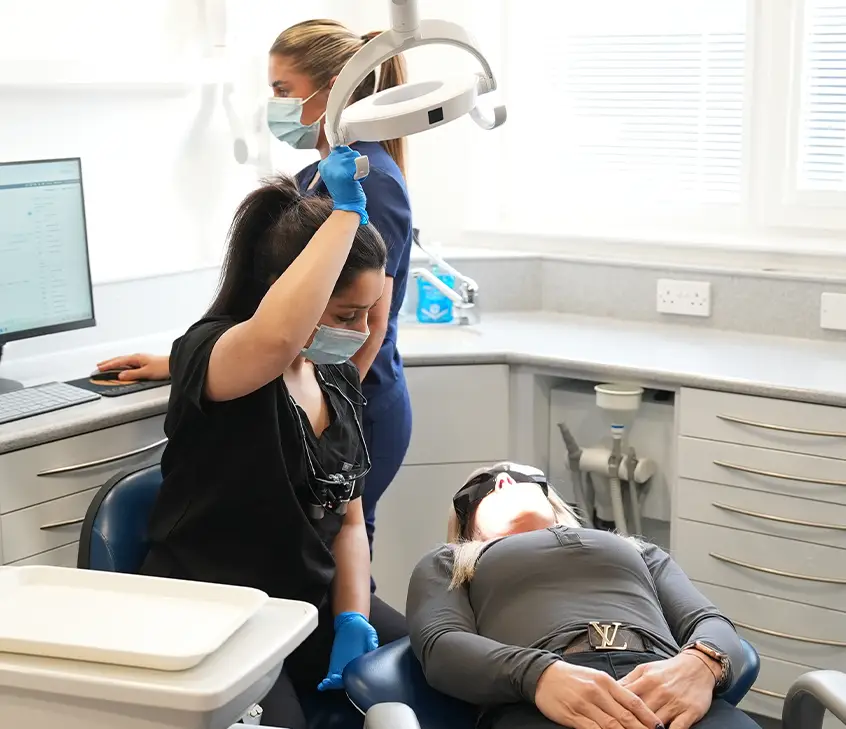
Your assessment is an opportunity to find out whether clear aligners are appropriate for your teeth, bite and oral health.
A Discussion About Your Concerns
Your dentist will ask what you would like to change.
This might include crowded teeth, spaces, teeth that have moved after previous orthodontic treatment or a bite that feels uneven.
You can also explain any practical concerns, such as treatment visibility, speaking while wearing aligners or managing treatment around work and social commitments.
An Oral Health Examination
Your teeth and gums need to be sufficiently healthy before orthodontic treatment begins.
Untreated decay, active gum disease and other dental problems may need to be managed before aligners are provided.
Moving teeth when the supporting gums or bone are unhealthy could increase the risk of complications.
A Bite Assessment
Invisalign® treatment is not only about making the front teeth look straighter.
Your dentist will consider how your upper and lower teeth meet, whether the planned movement is predictable and whether another orthodontic option may be more appropriate.
Digital Scans And Photographs
A digital scan creates a detailed three-dimensional record of your teeth and bite.
Regent Dental uses digital scanning and dental technology to support assessment, planning and communication with patients.
Digital scans can usually be completed without traditional putty impressions.
A Proposed Treatment Plan
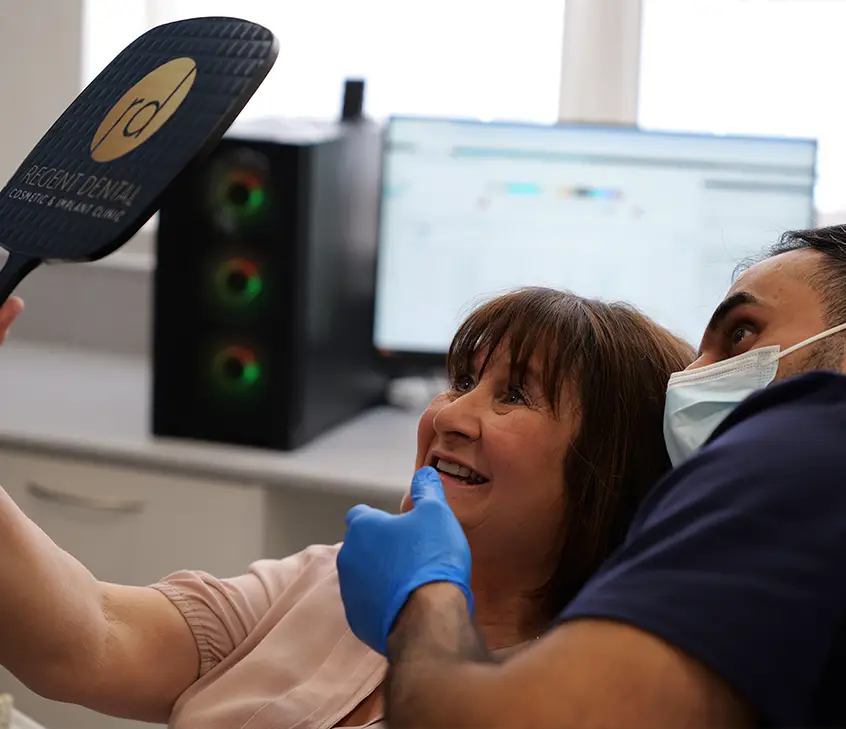
Planning software may be used to show how your teeth are expected to move through each stage of treatment.
This is a clinical simulation rather than a promise of an exact final result. Teeth do not always move precisely as predicted, so changes or refinement aligners may sometimes be required.
A Personalised Cost Breakdown
You should receive clear information about:
Your recommended Invisalign® plan
What is included in the fee
The likely treatment duration
Review appointments
Refinement aligners
Retainers
Payment requirements
Available finance options
Ask whether retainers, replacement aligners or additional refinements are included, as these details may vary between plans.
What Is Invisalign®?
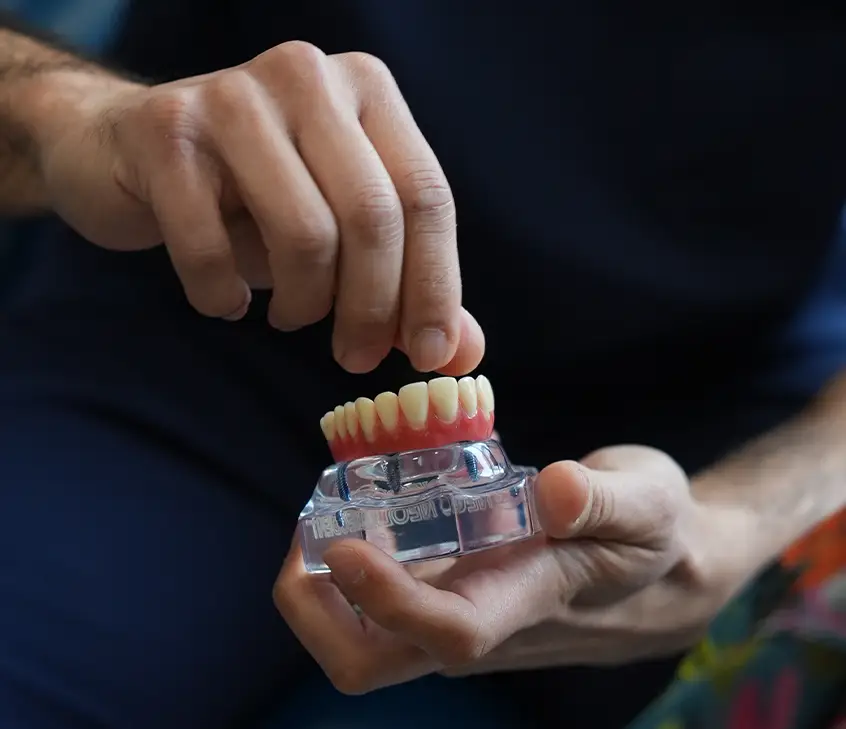
Invisalign® is a brand of clear aligner treatment used to move teeth gradually.
Treatment involves wearing a planned sequence of thin, removable aligners. Each aligner applies controlled pressure to selected teeth before being replaced by the next aligner in the series.
Patients are commonly advised to wear their aligners for around 20 to 22 hours each day. Your dentist will give you instructions based on your individual treatment plan.
Aligners are generally removed for:
Eating
Drinking anything other than suitable water
Brushing your teeth
Cleaning between your teeth
Cleaning the aligners
Because the aligners are removable, the success of treatment depends heavily on following the recommended wearing schedule.
What Can Invisalign® Treat?
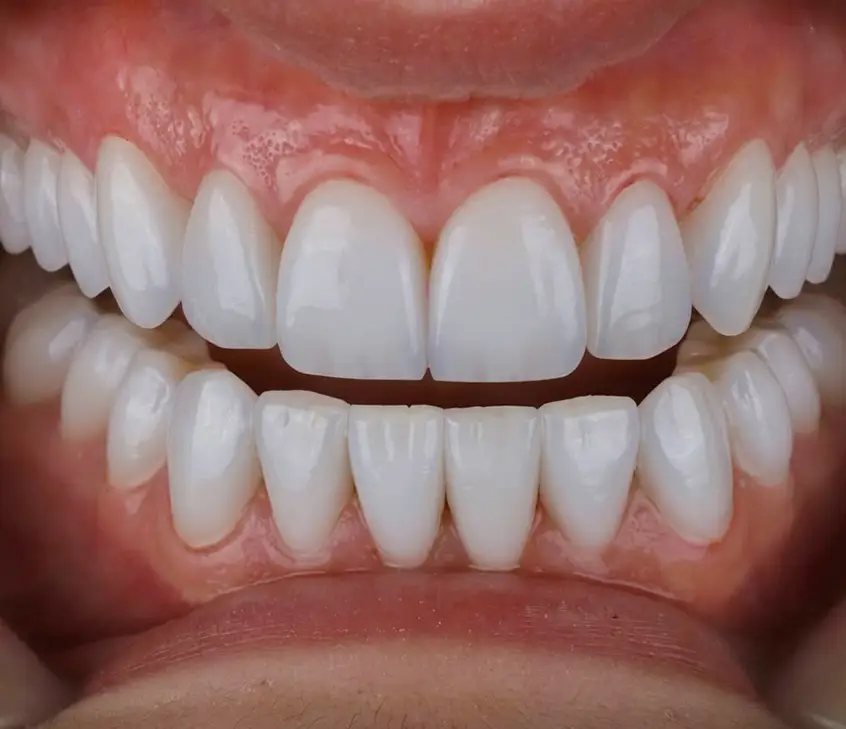
Depending on your clinical assessment, Invisalign® may be suitable for:
Crowded or overlapping teeth
Gaps between teeth
Teeth that have moved after previous braces
Certain overbite concerns
Certain underbite concerns
Some crossbites
Mild to moderate alignment problems
Clear aligners are not appropriate for every patient or every type of tooth movement.
Some cases may be managed more predictably with fixed braces, another aligner system or care involving an orthodontic referral. Your dentist should explain the reasonable alternatives, including the option of having no treatment.
What Affects The Cost Of Invisalign®?
Several factors may influence your treatment fee.
Treatment Complexity
Small changes to a limited number of teeth may require fewer stages than correcting more extensive crowding or bite concerns.
Number Of Aligners
Longer treatment plans commonly require more aligners, although the number needed cannot be judged accurately from appearance alone.
Treatment Duration
A more involved case may require additional monitoring and a longer period of care.
Refinement Aligners
Refinements are additional aligners used when further movement is required after the initial series.
Ask how many rounds of refinements are included in your quotation and whether additional fees could apply.
Retainers
Retainers help reduce the risk of teeth moving back after treatment.
The type and number of retainers provided can affect the overall cost. Replacement retainers may also be needed over time.
Additional Dental Care
Some patients require hygiene treatment, fillings or other dental care before beginning Invisalign®.
These treatments may be charged separately.
Should You Start Invisalign® Before September?
You should not begin treatment solely because prices may change.
Invisalign® is a healthcare decision that should be based on suitability, expected benefits, limitations, responsibilities and long-term maintenance.
Arranging an early assessment can still be helpful because it gives you time to:
Find out whether clear aligners are appropriate
Discuss alternative treatment options
Review the proposed tooth movements
Understand how long treatment may take
Receive a personalised quotation
Consider the costs without feeling rushed
Complete any necessary dental care before treatment
Ask whether the current fee can be secured
You should speak to a dentist promptly if you have toothache, bleeding gums, loose teeth, untreated decay or another active dental concern. These issues may need attention before orthodontic treatment can begin.
How Do You Look After Your Teeth During Invisalign®?
Good oral hygiene remains essential throughout treatment.
Because aligners fit closely over the teeth, food debris and plaque should be removed before they are put back in place.
Patients are generally advised to:
Brush carefully twice a day with fluoride toothpaste
Clean between the teeth every day
Clean aligners according to the instructions provided
Avoid eating or drinking sugary products while wearing aligners
Attend recommended dental and hygiene appointments
Keep aligners safely in their case when removed
Contact the practice if an aligner is lost, damaged or no longer fits
Do not move on to the next aligner without advice if your current aligner is not fitting correctly.
Will You Need Retainers After Invisalign®?
Yes. Retainers are normally required after Invisalign® and other orthodontic treatments.
Teeth can move throughout life, particularly after orthodontic treatment. Retainers help maintain the corrected positions while the surrounding tissues adapt.
Your dentist will explain:
Which type of retainer is recommended
When to begin wearing it
How often it should be worn
How to clean and store it
When it may need to be replaced
What to do if it feels tight or stops fitting
Long-term retainer wear is an important part of maintaining your result.
Why Choose Regent Dental For Invisalign® In Ilkley?
Invisalign® treatment involves more than ordering a set of clear aligners.
Clinical assessment, realistic planning, regular monitoring and long-term retention all influence how treatment progresses.
At Regent Dental, your treatment is planned around your oral health, bite, tooth positions and personal priorities.
The team will explain what Invisalign® may achieve, any relevant limitations and what will be expected from you during treatment.
You will also receive clear information about fees before proceeding. Where appropriate and subject to eligibility, dental treatment finance options may be available to help spread the cost.
Considering Invisalign® In Ilkley?
A potential price change should not make you feel pressured into treatment.
An early consultation can give you time to understand whether Invisalign® is suitable, what your treatment may involve and how much it is likely to cost.
To discuss your options, you can contact Regent Dental in Ilkley and arrange a clinical assessment with the team.