
We often treat the mouth as a side job. Brush, rinse, done. But your mouth is on the front line. What happens on your gums doesn’t stay there. It can affect sleep, energy, mood, and how your body handles illness. Big claim? It’s true.
This guide blends science, everyday dental experience, and simple steps that work. It’s written with a UK lens. Think a 3 pm cuppa, a muddy run, or a crowded commute. Real life. Real habits. Let’s get into it.
What We Really Mean By “Oral Health”
Oral health is not just teeth. It’s gums, tongue, cheeks, jaw joints, and the muscles that help you chew, speak, and smile. A healthy mouth is comfortable and easy to keep clean. An unhealthy mouth feels sore, bleeds, or smells off. Tooth decay and gum disease are common. They are not a given. With the right habits, most problems can be stopped before they start.
Here’s the key. Inflammation in the mouth doesn’t sit still. Your immune system stays switched on. Signals and bacteria can travel in your blood. They can nudge other conditions. This is why dentists talk about whole-body health. Not hype. Just how the body works.
How The Mouth Talks To The Rest Of The Body
Research keeps joining the dots. Links show up again and again. Association is not always cause. Still, the patterns make sense.
Cardiovascular health: Ongoing gum inflammation is linked with a higher risk of heart disease and stroke. Oral bacteria and inflammatory markers can enter the bloodstream. They may irritate artery walls and plaque. Your gums and your heart do talk.
Diabetes: The link runs both ways. High blood sugar feeds gum disease. Active gum disease can make blood sugar harder to control. Get one steady and the other often improves. Teamwork.
Respiratory infections: Oral bacteria can be breathed into the lungs. This is more common in older adults and people with swallowing issues. It can raise the risk of pneumonia. Winter makes it harder as well.
Pregnancy: Sore, swollen gums are more likely in pregnancy. Hormones make gums react more to plaque. Poor gum health is linked with premature birth and low birth weight. Keep a closer eye on hygiene. It helps mum and baby.
Brain health: Early research suggests a link between long-standing oral infections and cognitive decline. We need more data. But once again, inflammation is in the frame.
The Everyday Why: Hygiene, Inflammation, And Feeling Well
Daily care reduces plaque. Plaque is a sticky film that irritates gums and weakens enamel. Less plaque means less inflammation. Less inflammation means a calmer immune system. Simple. Powerful.
A quick word on toothpaste. In the UK, adults should use fluoride toothpaste with 1350–1500 ppm fluoride. It hardens enamel and makes teeth more resistant to acid. Spit, don’t rinse. Let the fluoride stay on the teeth and keep working.
What Good Dental Visits Really Do
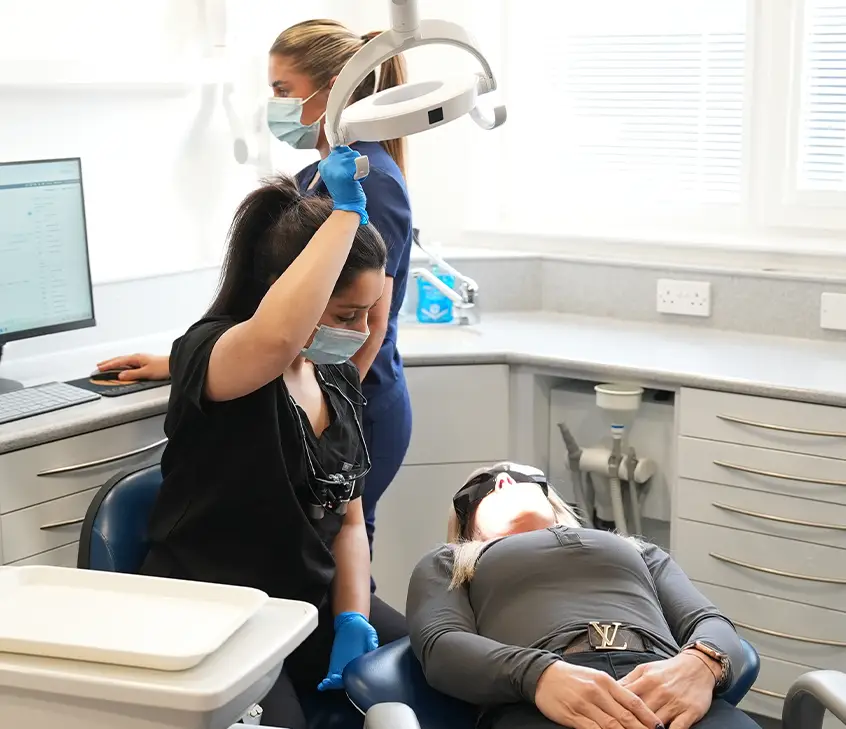
Routine check-ups are not just a clean and a chat about floss. Dentists look for early signs of mouth cancer. They can pick up hints of reflux, anaemia, eating disorders, vitamin issues, and even sleep apnoea from tooth wear and gum patterns. If needed, you’ll be referred to your GP or another clinician. Small checks can lead to big wins.
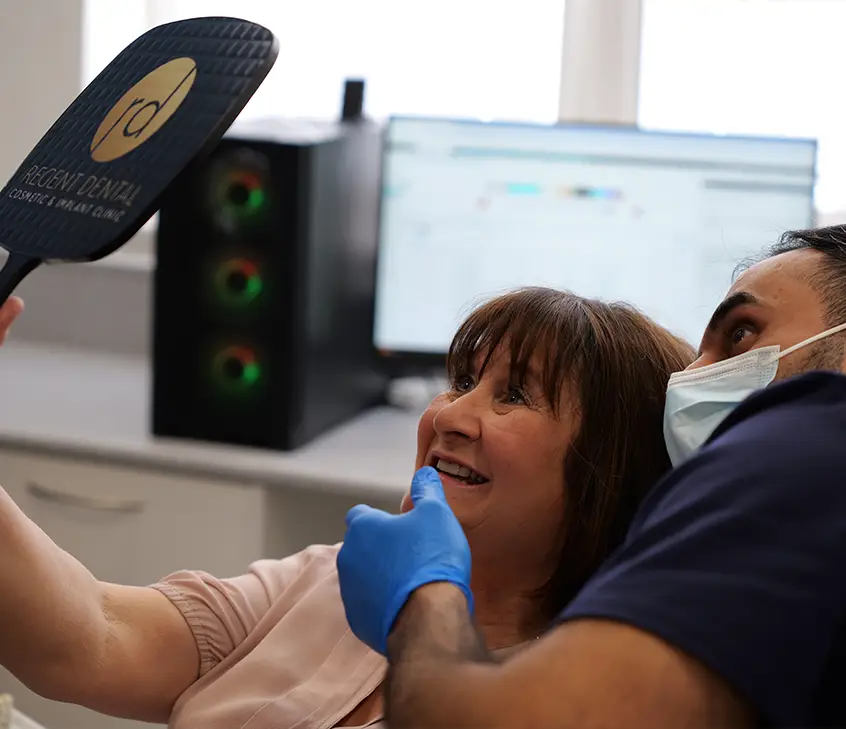
Nervous about the dentist? You’re in good company. Many people are. A kind team, clear steps, and gentle care help. One positive visit can shift years of worry. Honest.
Lifestyle: What Helps Your Mouth Also Helps Your Body
Diet: Frequent sugar hits do more harm than total sugar. That biscuit with tea. The sports drink after the gym. The juice on the school run. Each snack feeds acid attacks. Keep sugary and acidic foods to mealtimes when you can. Water and milk are tooth-friendly. Sparkling water now and then is fine. Try not to sip all day.
Tobacco and alcohol: Smoking slows gum healing and raises the risk of gum disease and mouth cancer. Alcohol raises risk too, and more so when combined with smoking. Cutting down or quitting is a big win. For your mouth. For your heart. For you.
Stress and sleep: Stress tightens the jaw and can trigger grinding. Grinding wears teeth and strains jaw joints. Good sleep habits help. A night guard can protect teeth. Slow breaths before bed calm the system. Small steps.
Exercise: Keep moving. It’s great for your heart, head, and mouth. Watch frequent sips of acidic sports drinks. If you use them, rinse with water after. Don’t brush right away. Give softened enamel time to reharden.
Practical, No-Fuss Tips That Actually Work
Brush twice a day with fluoride toothpaste (1350–1500 ppm for most adults).
Spit, don’t rinse after brushing.
Clean between teeth daily with floss or interdental brushes.
Use a soft or medium brush; electric brushes often remove more plaque.
Limit sugary and acidic snacks and drinks between meals.
Drink plenty of water to support saliva. Saliva is your mouth’s natural defence.
Keep up regular dental check-ups and hygienist visits.
If you have diabetes, aim for steady control and tell your dentist about any changes.
If you’re pregnant, book a hygiene review. Your gums may need extra care.
If you smoke, get support to quit. The benefits start fast.
The Role Of Saliva, Mouthwash, And Timing
Saliva is a quiet hero. It washes acids away and brings minerals back to enamel. Chew sugar-free gum after meals to boost saliva. If your mouth feels dry, sip water often. Some medicines reduce saliva, so let your dentist know your current list.
Mouthwash can help, but timing matters. Do not rinse straight after brushing if the mouthwash does not contain fluoride. You will wash away toothpaste fluoride. If you use a fluoride mouthwash, use it at a different time of day. Keep the good stuff on your teeth.
A Quick Detour On Children’s Teeth
Start early. From the first tooth, use a smear of fluoride toothpaste. Supervise brushing until at least age seven. Keep check-ups regular. Keep juice to mealtimes and try sugar-free medicines where possible. Offer water between meals. Little habits add up fast. Sticker charts help. So does brushing together.
Braces, Grinding, And Tooth Wear
Crowded teeth trap plaque. Straighter teeth are easier to clean. Clear aligners or fixed braces can help with health, not just looks. If you grind, tell your dentist. A custom night guard protects teeth and jaw joints. Notice tooth edges getting shorter? Or cups in the chewing surface? That is wear. Your dentist can spot the cause and plan care. Often simple changes make a big difference.
Where Advanced Dentistry Meets Everyday Health
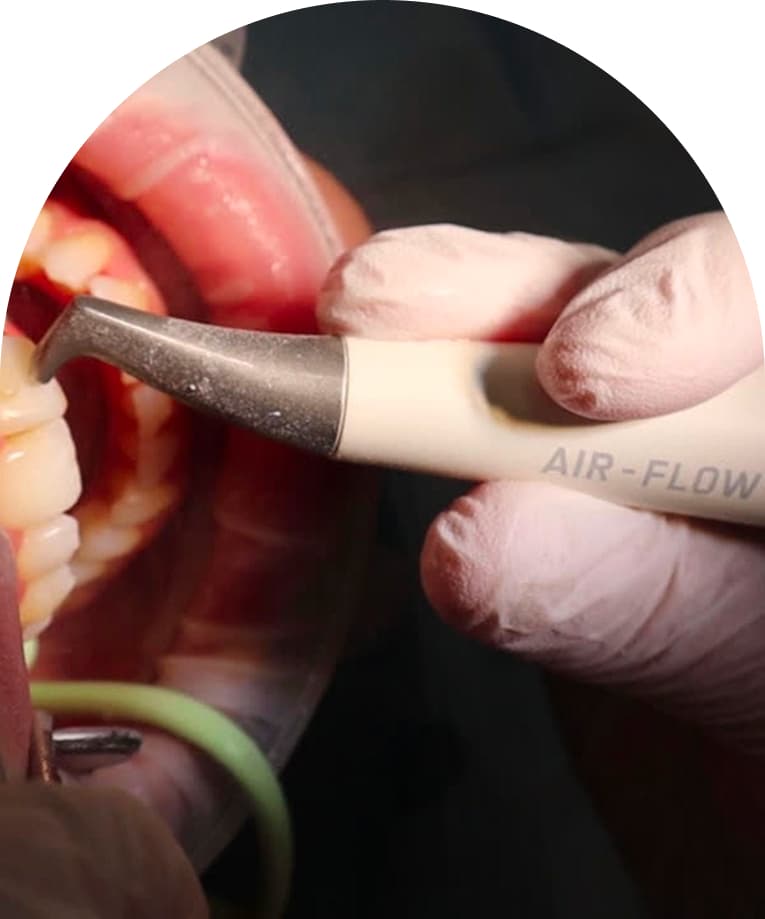
Modern dental care blends tech with a human touch. Digital scans and 3D imaging improve planning. Gentle hygiene tools make cleaning more comfortable. Minimally invasive methods protect healthy tooth tissue. Precision matters.
It helps gum care, implants, orthodontics, whitening, and restorative work last longer. When your dentist knows your medical history, lifestyle, and goals, your plan fits you. Not just your teeth.
Why This All Matters, Beyond A Bright Smile
The link between oral health and overall wellbeing is clear across UK guidance and daily practice. Keep the mouth clean, calm, and pain-free, and you often feel better everywhere else. Your breath is fresher. Your gums stop bleeding. You sleep better. You smile more. Small daily choices protect your heart, your energy, and your future self. Two minutes, twice a day. It adds up.
Regent Dental In Ilkley, UK
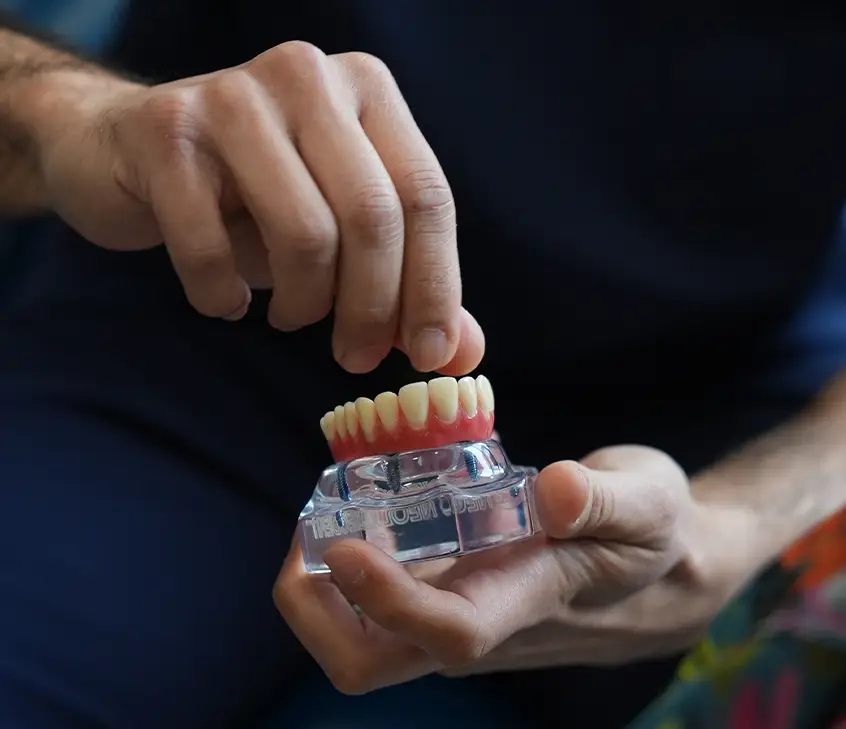
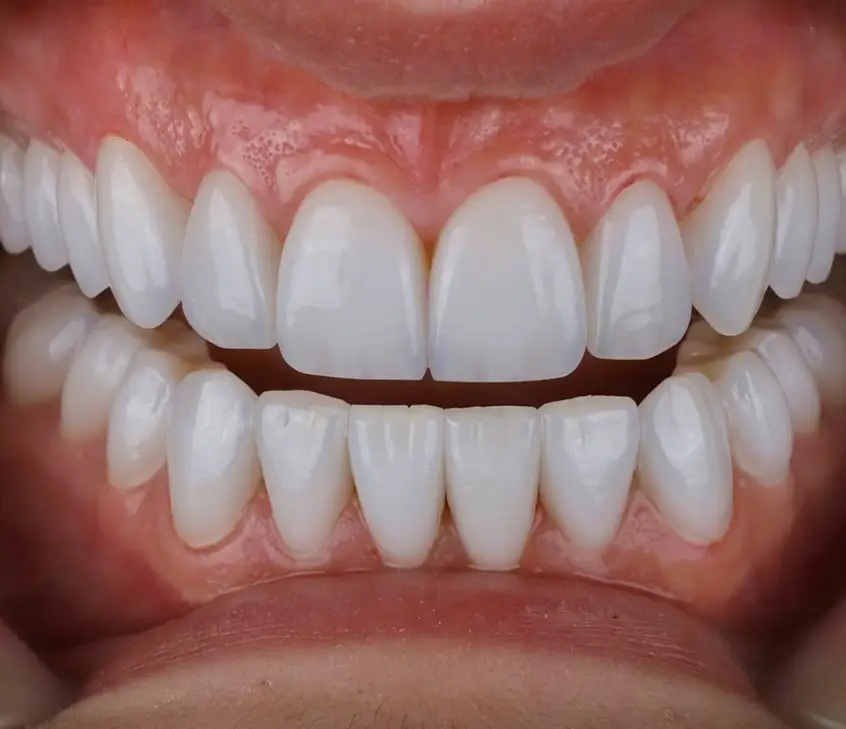
Regent Dental in Ilkley takes a whole-person view. The team builds personal plans with prevention at the core. Think routine hygiene, periodontal therapy for gum health, dental implants, Invisalign® aligners, whitening, and careful restorative work. The tech is modern. The atmosphere is calm. The aim is clear care and long-term results. Yorkshire warmth helps too. You feel listened to, not rushed.
If you’re looking for a dentist in Ilkley who treats you as a person, not just a set of teeth, Regent Dental can help. From the first chat to the final polish, the focus is comfort and clarity. Visit www.regent-dental.co.uk to learn more or book.
Conclusion
Your mouth is part of your body’s front line. When you care for it, you calm inflammation, support your immune system, and protect your wider health. Daily brushing with fluoride, simple diet tweaks, and regular check-ups do the heavy lifting. Add calm sleep, less stress, and steady habits, and you’ll feel the difference. Better breath. Stronger teeth. More energy. Start small today. Your future self will thank you.