Dental implants have changed how we restore smiles. They look natural. They feel secure. And with good care, they last. But success isn’t only about titanium and tools. It’s about you—your health, your bone, your habits, and the medicines you take.
At Regent Dental in Ilkley, we plan treatment around the whole person, not just the gap. Some medicines can shape healing and long‑term stability. So let’s look at how they do that, what to watch for, and how we keep you safe while aiming for a brilliant result.
What Happens After An Implant Goes In?
A dental implant is a small titanium post in your jaw. Your bone then bonds to it. This is called osseointegration. Think of scaffolding that becomes part of the building. That healing phase is delicate. It needs healthy bone turnover, good blood flow, and a steady immune response.
Some medicines can nudge those systems—sometimes a little, sometimes a lot. That’s why planning matters from day one.
A Quick But Important Note
Never stop or change a prescribed medicine for dental work without advice from your GP or consultant. We’ll talk to your medical team and agree a safe plan together.
How Medicines Can Affect Dental Implants
Blood Thinners And Antiplatelets
Warfarin, clopidogrel, aspirin, and newer anticoagulants such as apixaban or rivaroxaban help prevent clots. They can increase bleeding during and after surgery. That doesn’t mean implants are off the table.
In many cases, we can go ahead with careful timing and local measures to control bleeding. If you take warfarin, we’ll check your latest result and coordinate with your GP or clinic so the day runs smoothly.
Bone-Strengthening Medicines: Bisphosphonates And Denosumab
These drugs treat osteoporosis and bone disease linked to cancer. They slow how fast bone turns over. Rarely, they can lead to medication‑related osteonecrosis of the jaw (MRONJ). That’s when the jawbone doesn’t heal well after surgery. Risk is highest with cancer‑dose infusions. It’s lower with oral tablets used for osteoporosis over several years.
If you take alendronic acid, risedronate, zoledronic acid, or denosumab (Prolia), tell us early. We’ll assess risk, use gentle techniques, and talk through pros, cons, and timing with you and your doctor. Sometimes we suggest alternative options. Sometimes we proceed with extra care. The aim is informed choice.
Antibiotics
Antibiotics don’t harm implants. Used well, they can lower the chance of infection. Overuse is not helpful—for your gut, your mouth, or antibiotic resistance.
We follow UK guidance and only prescribe when it adds real benefit. If we do prescribe, take them exactly as directed. No more. No less.
Antidepressants (Especially SSRIs)
Some studies link SSRIs to changes in bone and a small rise in implant loss. The picture isn’t clear cut. Many people on SSRIs do very well with implants. The key is that we know your medicines and tailor the plan.
Sometimes that means more checks. Sometimes a longer healing phase. Your mental health matters. There is usually a safe way through.
Heart And Blood Pressure Medicines
Beta‑blockers, ACE inhibitors, and calcium channel blockers help manage heart health. They don’t usually cause implant failure. Calcium channel blockers like nifedipine can cause gum overgrowth. That makes brushing harder. We’ll keep a close eye on your gums and support your home care so plaque doesn’t build up.
Heartburn Medicines (PPIs)
Proton pump inhibitors, such as omeprazole or lansoprazole, may reduce calcium absorption. Some research links them to lower bone density. That could slow osseointegration. If you’re on PPIs, we’ll factor it into your plan.
We’ll look at vitamin D and calcium intake and keep healing under review. No drama—just good planning.
Steroids And Immune‑Modulating Drugs
Long‑term steroids, methotrexate, and biologic medicines can reduce inflammation. They can also lower your immune response. That can slightly raise the risk of delayed healing or infection. We’ll work with your medical team on timing and cover so you stay well.
Diabetes Medicines And Blood Sugar
It’s not the medicine itself that matters most—it’s your glucose control. Well‑managed diabetes has outcomes close to non‑diabetic patients.
If you use medicines such as metformin or an SGLT2 inhibitor, we’ll plan around meals, hydration, and appointment times. Stable numbers. Steady healing.
Herbal Supplements And “Natural” Products
St John’s wort can interact with many drugs. Ginkgo, garlic, high‑dose fish oils, and turmeric can thin the blood. Please tell us everything you take—prescribed or not—so we can avoid surprises.
A Quick Word On Smoking And Nicotine
Not a medicine, but important. Nicotine reduces blood flow to the gums and bone. That slows healing and raises the risk of implant failure. Need support to quit or pause? We’re on your side. Even a short break around surgery helps.
Practical Ways To Stack The Odds In Your Favour
Share the full picture: Bring an up‑to‑date list of medicines, doses, and timings. Include inhalers, sprays, injections, and supplements. On warfarin? Bring your yellow book.
Let the team talk: With your permission, we’ll liaise with your GP, pharmacist, or consultant. One plan. No crossed wires.
Time it right: Some medicines are best taken after your appointment. Others may need a small tweak. We’ll advise, your GP will approve, and you stay in control.
Keep the mouth immaculate: Great brushing, interdental cleaning, and regular hygienist visits reduce infection and calm the gums. Small habits. Big wins.
Nourish your bone: Eat a balanced diet, top up vitamin D if needed, and stay active. Simple steps that support healing.
Show up for reviews: Follow‑ups help us spot tiny issues early. Quick fixes beat big repairs.
How We Handle This At Regent Dental, Ilkley
We care for many people on complex medication plans. We’ve placed successful dental implants across Ilkley and Yorkshire. A few snapshots:
A gentleman on apixaban for atrial fibrillation: We coordinated dosing with his GP, used keyhole‑style surgery with digital guides, applied local measures for bleeding, and healing was smooth.
A lady on long‑term alendronic acid: After a full risk check and a chat with her osteoporosis clinic, we chose a minimally invasive approach with no bone grafting. Steady healing. She now bites into apples again—carefully, but happily.
A nurse taking an SSRI: We allowed a longer integration phase and booked extra hygiene visits. No fuss. A neat, predictable result.
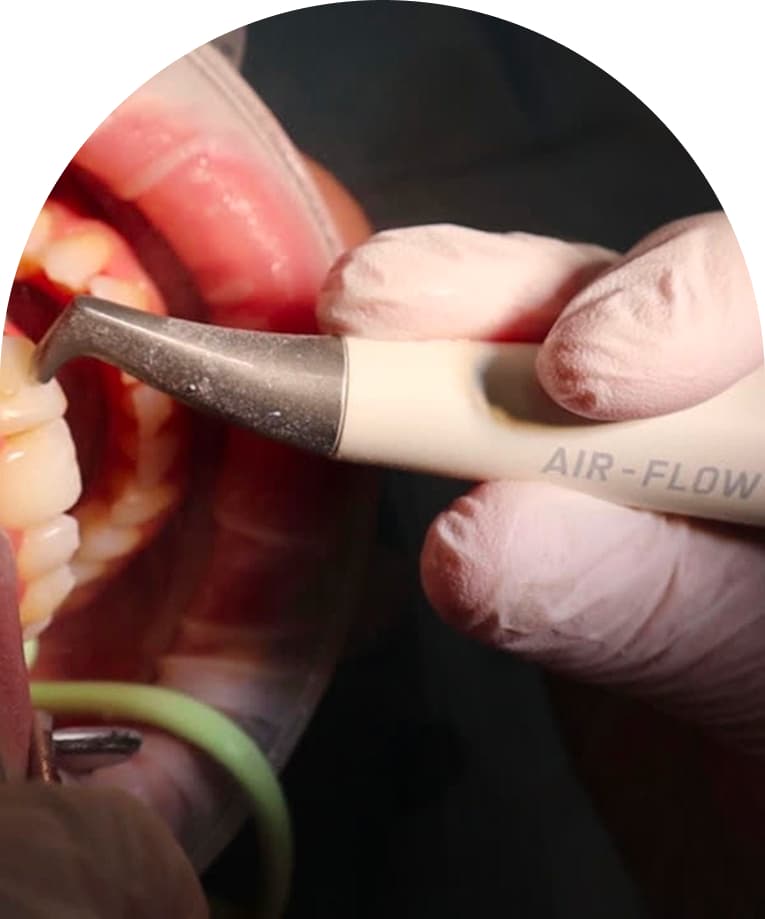
Behind the scenes, our planning is thorough. We use CBCT 3D scans and digital guides to shorten surgery time and reduce tissue trauma. Shorter procedures. Smaller incisions. Calmer healing. If you feel anxious, we can offer gentle sedation. We’ll check it’s safe with your medicines before we book you in.
Expectations And Reassurance
Yes, medicines can influence implant healing. That’s the truth. The good news? With careful checks, open conversation, and a plan shaped to you, most risks can be managed. We’ll explain the evidence in plain English. We’ll outline your options. We’ll make decisions together. No pressure. No surprises. Just thoughtful care.
About Regent Dental
Regent Dental is a modern dental and aesthetic clinic in the heart of Ilkley. We offer general dentistry, cosmetic care, and restorative treatments—including dental implants—using digital technology and a calm, patient‑first approach.
Our implant dentist will work closely with your GP or consultant when your medicines or medical history add complexity. Curious about dental implants in Ilkley and how your medicines may affect treatment? Get in touch. We’ll listen, we’ll plan, and we’ll help you smile with confidence.
Conclusion
Medicines and dental implants do share a story—one that blends science with teamwork. With the right checks, timing, and aftercare, a strong, natural‑looking result is within reach. If you’re thinking about implants and you take regular medication, start the conversation early. We’ll build a safe, sensible plan around you and guide you every step of the way.