 (2) (1).png)
When you visit the dentist, you probably expect them to check for cavities, examine your gums and assess the condition of your teeth. But have you ever wondered why your dentist might also ask you to lift your tongue, move your cheeks or open your mouth a little wider?
These simple steps allow your dentist to examine areas that are often overlooked, including the soft tissues where unusual changes can sometimes develop.
As we mark Mouth Cancer Awareness Month 2026, it is an opportunity to understand this often unnoticed part of a dental examination, what your dentist is looking for and what happens if something needs further investigation.
The Part of Your Dental Check-Up You Might Not Notice
A dental examination involves much more than looking for tooth decay.
Your mouth contains different types of tissue, including the lining of your cheeks, gums, lips, tongue and the areas underneath and around them. These tissues can develop changes that are not always painful or immediately noticeable.
A dentist's training includes recognising abnormalities in these areas and deciding whether they need further assessment.
This is particularly relevant to mouth cancer awareness because some potentially concerning changes may be difficult to identify yourself.
The Mouth Cancer Foundation encourages dental professionals to carry out systematic examinations of the mouth, head and neck as part of routine care.
Understanding what this involves can help patients feel better informed during their appointments.
What Actually Happens During a Mouth Examination?
A soft tissue examination is usually straightforward and takes only a short part of your dental visit. The exact checks depend on your symptoms and clinical needs.
Here is what your dentist may do.
1. Ask About Changes You Have Noticed
Before or during the examination, your dentist may ask whether you have experienced any unusual sensations, persistent sores or changes in your mouth.
They may also ask when a symptom first appeared and whether it has changed.
This conversation matters because something that looks relatively minor during an appointment may be more significant if it has been present for several weeks.
2. Examine Areas That Are Difficult to See Yourself
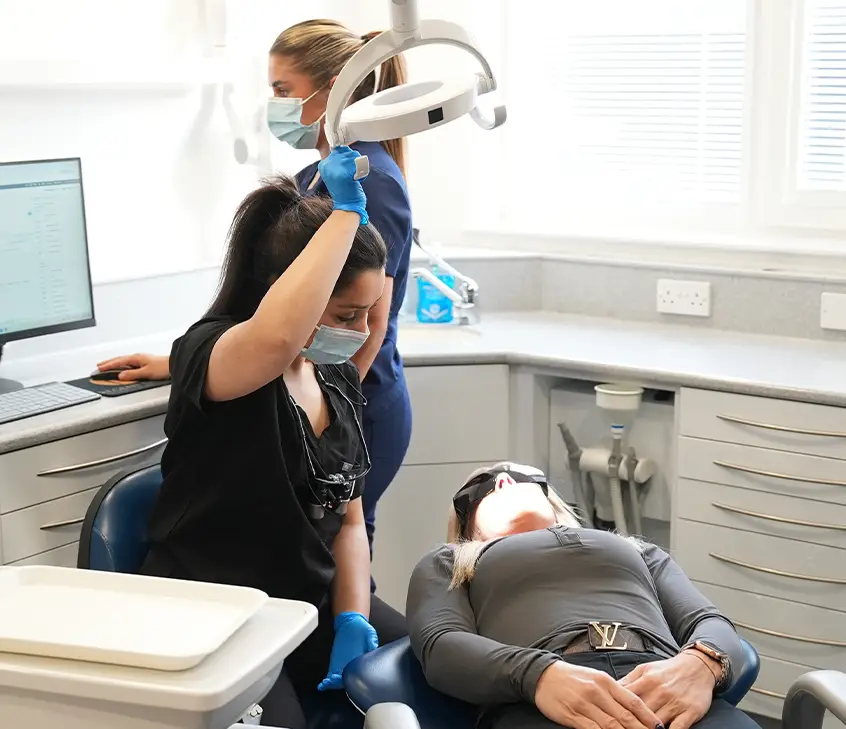
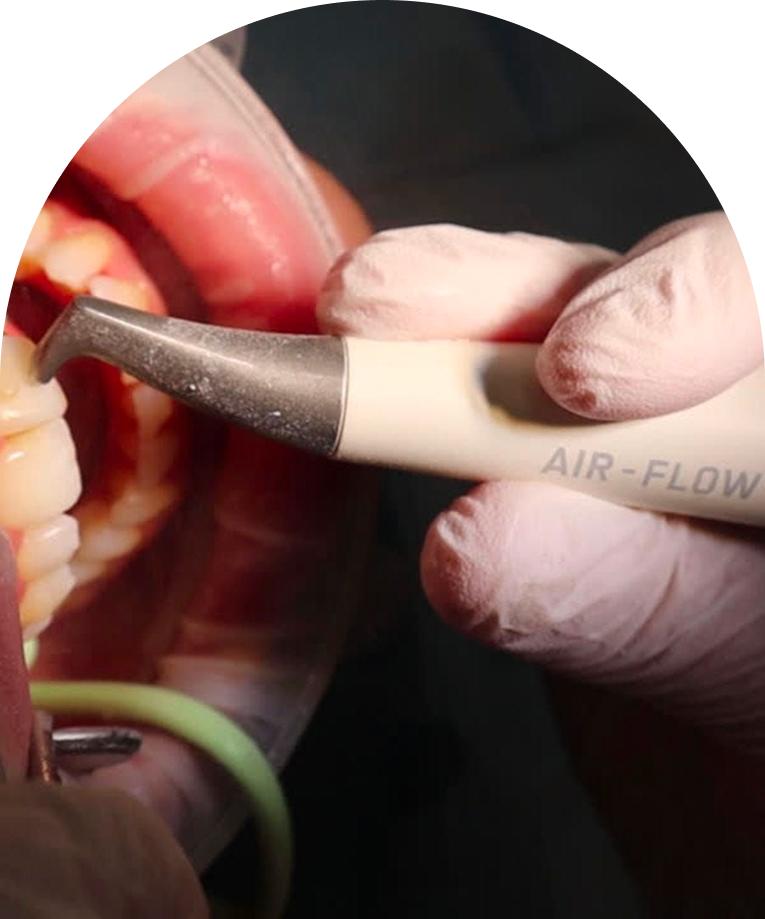
Using a dental mirror, suitable lighting and gloved hands, your dentist can inspect areas such as the sides and underside of your tongue, the insides of your cheeks and the floor of your mouth.
They may gently move your tongue or cheek to improve visibility.
These are areas that can be difficult to examine properly in a bathroom mirror.
3. Check for Changes in the Soft Tissues
Your dentist observes the appearance, colour and texture of the tissues.
Some areas may look different because of irritation, minor injuries or inflammation. Other changes require closer attention.
An examination helps the dentist decide whether something appears normal, has a likely explanation or needs further investigation.
4. Examine the Jaw and Neck Where Appropriate
Your dentist may also gently feel around the jaw or neck to check for unusual swelling or lumps.
You may be asked to move your head or adjust your position during this part of the examination.
These steps help build a more complete picture of your oral health.
What Can a Dentist Tell From This Examination?
An important distinction is that identifying something unusual is not the same as diagnosing mouth cancer.
A dentist can recognise changes that warrant further assessment, but an ordinary visual examination cannot confirm or completely rule out cancer.
A small ulcer, patch or swelling may have several possible explanations. Some are associated with everyday dental problems, while others need specialist investigation.
The purpose of examining the soft tissues is to identify concerns that might otherwise remain unnoticed, not to give patients a definitive cancer diagnosis during a routine appointment.
What Happens if Your Dentist Notices Something Unusual?
Imagine your dentist notices a small patch on the inside of your cheek that you had not previously seen.
Being told that something looks unusual can understandably feel worrying. However, the discovery itself does not mean you have cancer.
Your dentist may begin by asking questions:
How long has the patch been there?
Have you noticed any discomfort or changes?
Has the area been injured or irritated?
Has something similar happened before?
They will assess the area and consider the most appropriate next step.
If there is an identifiable source of irritation, such as a sharp tooth, your dentist may address it and arrange a suitable review when clinically appropriate.
However, an unexplained or suspicious change may require an urgent specialist referral rather than routine monitoring.
The decision depends on the clinical findings. Persistent or worsening symptoms should always be reassessed.
Understanding an Urgent Referral: Does It Mean Cancer?
The word urgent can sound alarming, particularly when it appears alongside the possibility of cancer.
But an urgent referral does not mean cancer has been diagnosed.
It means a healthcare professional believes that an area requires specialist assessment without unnecessary delay.
The NHS and NICE have established referral pathways for certain findings, including unexplained mouth ulcers lasting more than three weeks, persistent unexplained neck lumps and specific suspicious changes inside the mouth.
These pathways help patients access appropriate investigations as promptly as possible.
You can read more in the NICE guidance on suspected cancer recognition and referral.
If a referral is recommended, it is reasonable to ask why it is needed, how you will receive the appointment details and whom to contact if you have not heard anything.
What Happens at a Specialist Appointment?
If your dentist or GP refers you for further investigation, the next appointment may be with a hospital-based specialist in oral and maxillofacial surgery or ear, nose and throat care.
The specialist will assess your symptoms and examine the area in question.
Depending on what they find, additional investigations may be recommended.
One possible investigation is a biopsy, which involves taking a small sample of tissue for examination under a microscope. Imaging tests may also be used when appropriate.
Not everyone who is referred requires every test.
The specialist will explain which investigations are necessary and what the results mean.
The NHS guide to mouth cancer tests and next steps provides more information about the process.
Why It Is Important to Speak Up During Your Appointment
A dental examination is a two-way conversation.
Your dentist can assess what is visible or detectable during your visit, but they may not know about a symptom that comes and goes or a change you noticed several weeks earlier unless you mention it.
For example, an area may appear less inflamed on the day of your appointment, but its history could still be important.
If you have noticed something different, explain when it started, whether it has changed and whether you have experienced discomfort or difficulty eating or swallowing.
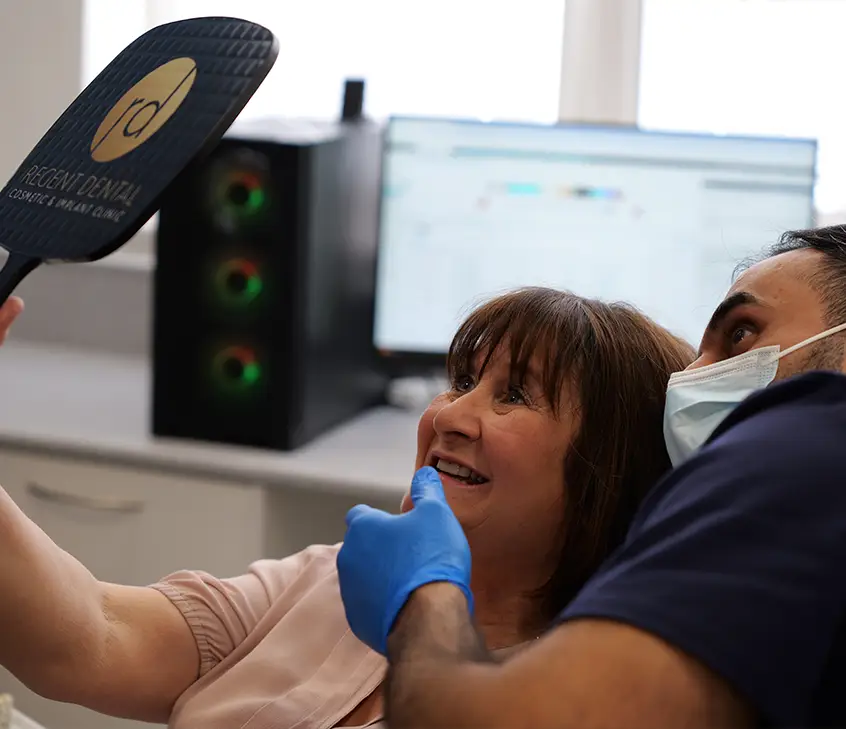
You can also ask your dentist to explain what they found during the soft tissue examination.
If you have an ulcer that has lasted more than three weeks, an unexplained lump, a red or white patch, or another concerning change, do not wait for a scheduled check-up. Contact a GP or dentist for assessment.
Mouth Cancer Awareness and Routine Dental Care in Ilkley
At Regent Dental in Ilkley, routine dental examinations include assessing the soft tissues alongside the teeth and gums.
This is one way general dentistry contributes to wider oral health awareness.
The most important message, however, extends beyond any individual practice: knowing that dentists examine more than teeth helps patients better understand the value and limitations of routine dental care.
A normal examination is reassuring, but it is not a guarantee that a problem cannot develop later. Any new or persistent symptom deserves appropriate attention, regardless of when your last dental appointment took place.
This November, Remember That Dental Care Goes Beyond Teeth
Mouth Cancer Awareness Month is about more than memorising a list of symptoms. It is also about understanding how changes can be recognised and why professional assessment matters.
A dental examination may only take a short time, but looking beyond the teeth is an important part of caring for the whole mouth.
The next time your dentist asks you to move your tongue or gently examines the inside of your cheeks, you will have a better understanding of why.