 (2) (1).png)
Gum disease is common, but it is largely preventable with the right care. In simple terms, the role of a hygienist in preventing gum disease is to remove harmful plaque and tartar, teach effective home care, and monitor gum health so problems are found early.
In this article, you will learn how hygienists work with dentists, what happens at a hygiene visit, who benefits most, and when further gum care may be needed in Ilkley and across West Yorkshire.
In Brief: How A Hygienist Prevents Gum Disease
Hygienists prevent gum disease by removing plaque and tartar, disrupting the bacterial biofilm, checking gum pockets, and guiding your daily routine.
Regular dental hygiene appointments plus consistent home care reduce inflammation and help stop progression from gingivitis to periodontitis.
What Is Gum Disease And Why Prevent It?
Gum disease starts when plaque, a sticky bacterial film, builds up along the gumline. If not cleaned away, it hardens into tartar, which irritates the gums.
Gingivitis: Early inflammation causing red, swollen, or bleeding gums. This stage is reversible with good cleaning.
Periodontitis: A more advanced stage where gums and bone shrink away from teeth, creating deeper pockets and risking tooth loss.
Preventing gum disease protects your natural teeth, keeps your mouth comfortable, and supports your overall health.
How A Dental Hygienist Helps Prevent Gum Disease
A dental hygienist focuses on prevention and maintenance of gum health. Key parts of their role include:
Detailed Cleaning And Biofilm Control
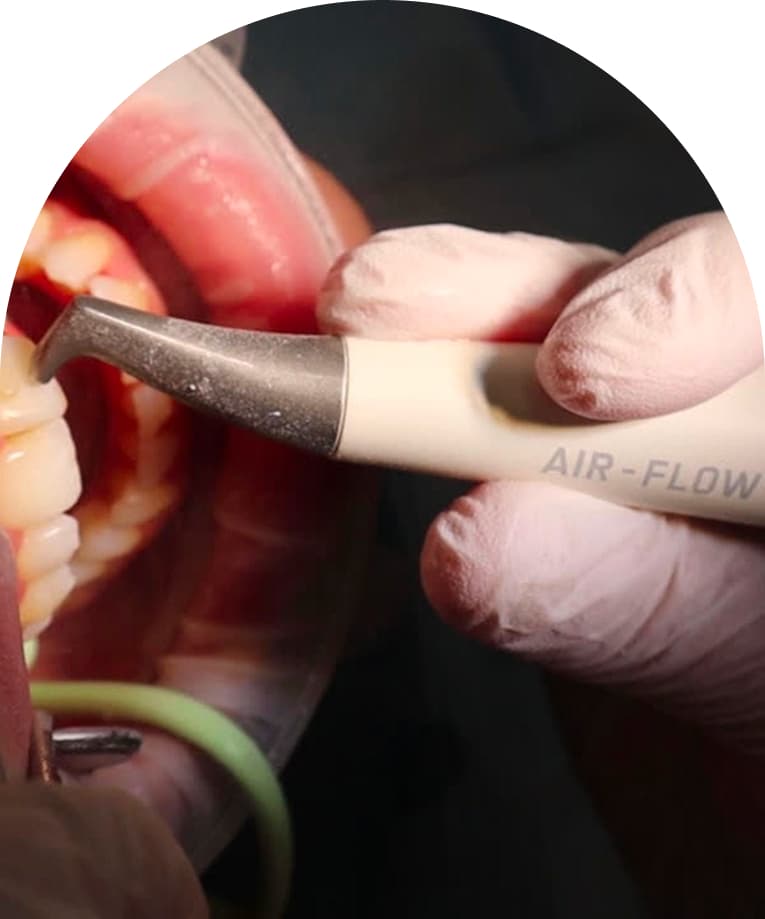
Hygienists carry out a thorough scale and polish to remove plaque and tartar, including areas that are hard to reach. Where needed, they provide non-surgical periodontal therapy such as root surface debridement to clean below the gumline, using ultrasonic and hand instruments.
Assessment And Monitoring
They measure and record gum pocket depths, check for bleeding on brushing or probing, assess recession, and track changes over time. Early findings guide timely advice or a dentist’s review, including gum disease treatment in Ilkley if required.
Personalised Home Care Coaching
You will get practical advice on brushing technique, interdental cleaning with floss or interdental brushes, and mouthwash use. Product recommendations are tailored to your needs and dexterity.
Risk Reduction Advice
Hygienists support smoking cessation, discuss diabetes control as it relates to gum health, and suggest diet changes that reduce plaque build-up.
Tailored Maintenance Plans
Visit frequency is set to your risk level. Some people do well with six-month intervals, while those managing gum disease may need visits every 8 to 12 weeks.
What To Expect At A Dental Hygiene Appointment
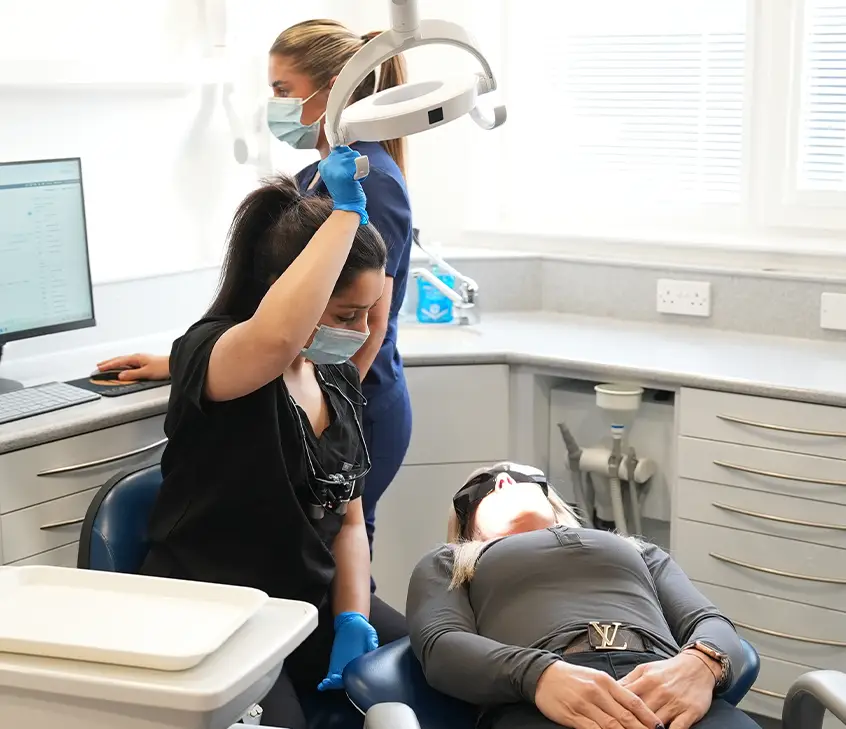
At Regent Dental in Ilkley, a typical hygiene appointment includes:
Review of your medical history and gum concerns
A gentle gum assessment to look for inflammation and measure pocket depths where needed
Removal of plaque and tartar above and below the gumline
A polish to smooth tooth surfaces and help slow new plaque build-up
Personalised advice on daily care and recommended products
A clear plan for maintenance or, if needed, referral to the dentist for further care
Appointments usually last 30 to 60 minutes depending on your needs. Many patients book routine dental hygiene appointments to keep their mouth feeling fresh and healthy.
Who Should See A Dental Hygienist?
Everyone can benefit, and it is especially helpful for:
People noticing bleeding, sore, or swollen gums
Anyone with a history of gum disease or a family tendency
Smokers and people living with diabetes
Patients with braces or clear aligners, where cleaning is more challenging
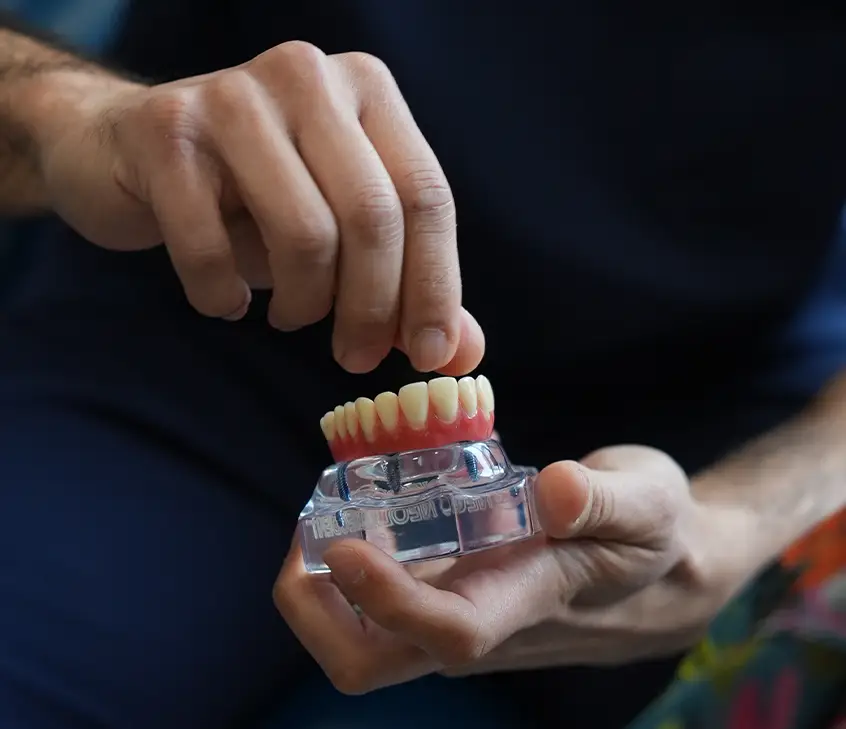
Patients with dental implants, including full-arch solutions, who need regular maintenance for long-term success
People planning cosmetic or restorative work who want healthy gums first
In the UK, many practices accept Direct Access, which means you can usually book to see a hygienist without a dentist’s referral. Availability varies by practice, so please check when you book.
Suitability, Limitations And Aftercare
Suitability: Hygiene care suits most patients. Children and adults can both benefit, with advice tailored to age and dexterity.
Limitations: Hygienists manage prevention and early gum disease. Advanced periodontitis may require a dentist’s diagnosis and a treatment plan that could include more extensive non-surgical therapy over several visits.
Aftercare: Mild temporary sensitivity can occur after deeper cleaning. Good at-home care is vital: brush twice daily for two minutes with fluoride toothpaste, clean between teeth daily, and follow your hygienist’s product advice.
When To Speak To A Dentist: Contact the practice if you notice persistent bleeding despite good cleaning, loose teeth, gum recession that worries you, ongoing bad breath, or pain or swelling.
How Hygienists Support Other Dental Treatments
Healthy gums are the foundation for long-lasting dental care. Hygienists help:
General dentistry by reducing inflammation and keeping gums stable
Restorative treatments, such as crowns and bridges, by improving gum health around restored teeth
Orthodontic treatment by helping you clean around appliances and attachments
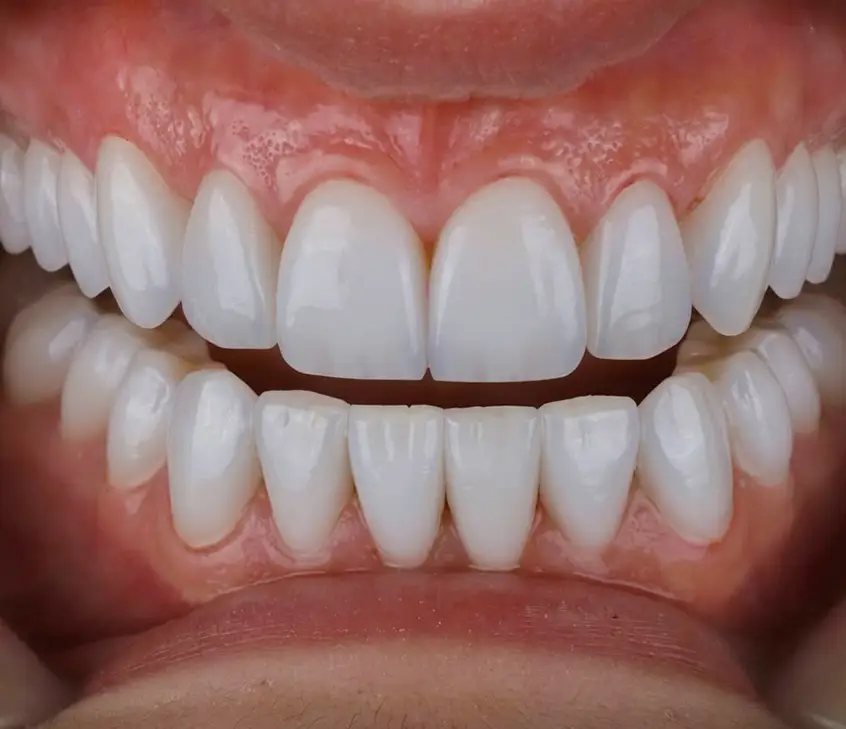
Cosmetic treatments, such as bonding and veneers, by ensuring the gums are healthy so results look better and last longer
Dental implants by providing regular supportive maintenance to keep tissues healthy
Booking A Dental Hygiene Appointment In Ilkley
If you want to prioritise gum health with a private dentist Ilkley patients trust, our team is here to help. You can book convenient dental hygiene appointments, review our treatment fees, explore value with our dental plans, or contact Regent Dental for tailored advice and to arrange a prompt visit.