Learn what is normal, when to call your dentist, home relief tips, and treatments. Regent Dental Ilkley can help.
Why Does My Tooth Still Hurt After A Filling? Pain And Sensitivity Explained
You finally had that cavity sorted. Relief, right? Then you take a sip of hot tea, or bite into something cold, and it stings. If your tooth still hurts after a filling, you are not alone. Many people expect instant comfort, but teeth can be a bit touchy after treatment. The good news? Mild sensitivity is common and usually short lived. The key is knowing what is normal, what is not, and what to do next. Let’s Break It Down
A Quick Word On The Procedure, And Whether Fillings Hurt
Fillings stop decay and support the tooth. Your dentist removes the damaged part, then replaces it with composite resin, amalgam, or a ceramic onlay. With local anaesthetic, you should not feel pain during the treatment. You may notice vibration and pressure. Afterward, the tooth and gum can feel a little bruised from all the work. That is normal.
What “Normal” Feels Like In The First Fortnight
Right after a filling, a tooth may be sensitive. It is reacting to drilling, new materials, and sometimes a slight change in your bite. Common short term sensations include:
Quick zings with hot or cold drinks, especially that first cuppa
Twinges from sweet or acidic foods
Mild tenderness when chewing
A dull, bruised feeling around the tooth and gum
These usually settle in a few days to two weeks. The nerve calms. The bite beds in. And life starts to feel normal again.
Why Teeth Grumble After A Filling
Not all post filling pain is the same. Some causes are harmless. Others need a check up.
Normal dentine sensitivity. When decay is cleared, the inner layer, dentine, can feel exposed. Composite fillings also shrink slightly as they set. That can make the tooth jumpy for a bit.
A high filling, bite issues. If the filling sits a touch too high, that tooth takes the brunt when you bite. You may feel a sharp jab on chewing or a sore, achy jaw. A quick adjustment usually sorts it.
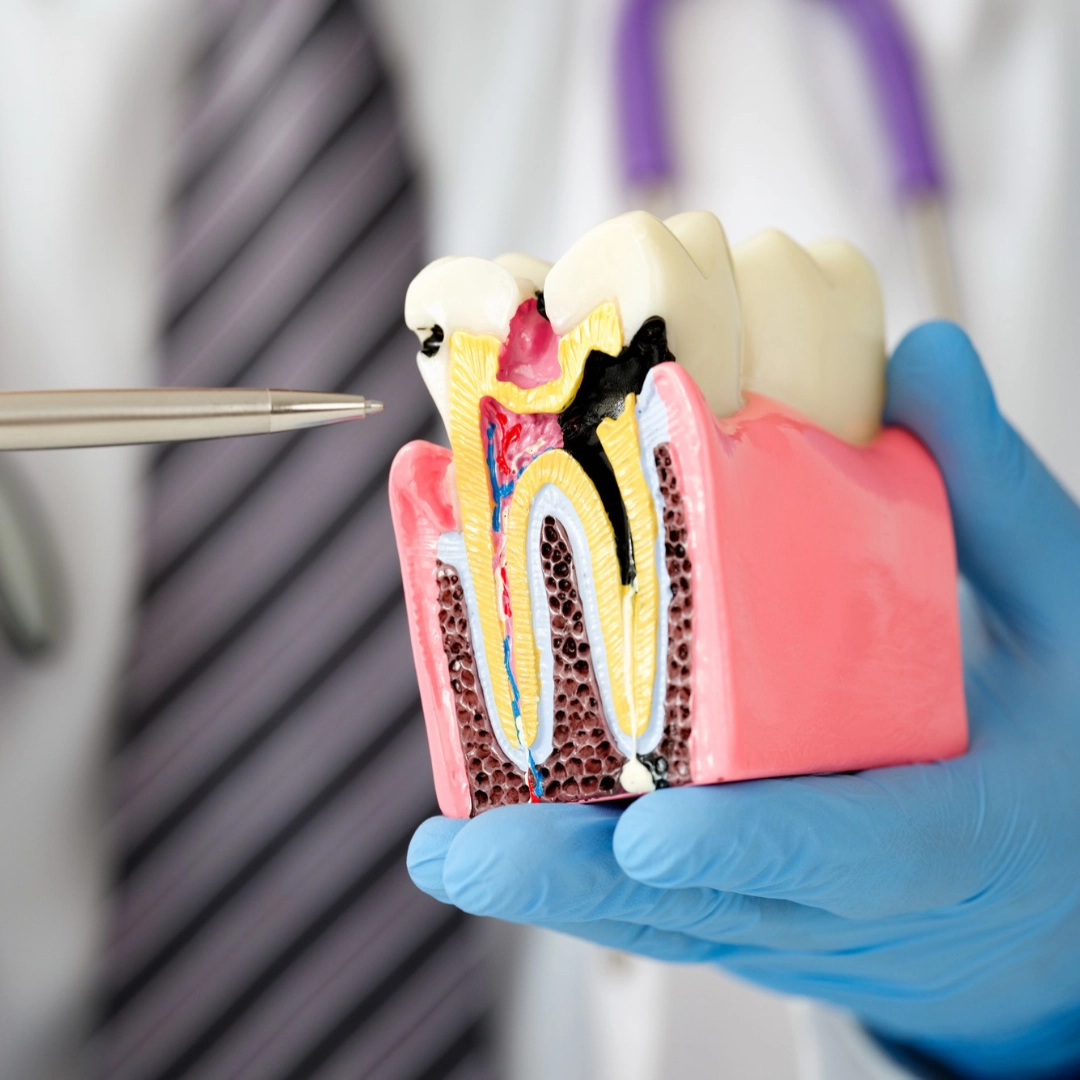
Pulpitis, nerve irritation. Deep decay or a large filling can irritate the pulp. With reversible pulpitis, cold triggers pain that fades fast. If pain lingers, wakes you at night, or flares with heat, it may be more serious and needs prompt care.
Cracks or hairline fractures. Sometimes a tiny crack shows up only after treatment. Pain when you release your bite can be a clue.
Material sensitivity or metal temperature changes. It is rare, but some people react to certain materials. Metal fillings also conduct heat and cold, so sharp zings can happen early on.
Recurrent decay or a leaky edge. If bacteria sneak under or around a filling, you may get new sensitivity or a dull ache later on.
Grinding or clenching, bruxism. Night time grinding batters fillings and the ligaments around the tooth. Teeth feel bruised. Headaches crop up. That high spot feeling never quite goes away.
Gum or sinus issues that mimic toothache. Inflamed gums or a sinus flare can make upper back teeth feel sore. It often feels worse when you bend down or fly.
Pain Months Later? That Is A Flag, Not Just One Of Those Things
If your tooth hurts months after a filling, do not shrug it off. It could be:
Recurrent decay under the filling
A cracked or worn filling that is letting in bacteria
Pulp damage or an abscess forming
Gum disease or recession that exposes the root
Early checks are kinder to your tooth and your wallet. Caught quickly, many fixes are simple.
How Long Should Pain After A Filling Last?
1 to 2 days. Mild temperature sensitivity is common.
Up to 2 weeks. Pressure sensitivity and gentle chewing aches can linger.
Beyond 2 weeks. Time to speak to your dentist, especially if things are getting worse, not better.
What You Can Do At Home, Starting Today
Switch to a desensitising toothpaste with potassium nitrate. Use it twice daily. Do not rinse, just spit, so it keeps working.
Keep drinks lukewarm for a few days. Go easy on ice cold smoothies and very hot tea.
Chew on the other side while things settle. Soft foods help.
Brush with a soft brush and a gentle hand. Clean, calm gums heal faster.
Pain relief. Consider paracetamol or ibuprofen, following the packet and your GP’s advice. Avoid ibuprofen if you cannot take anti inflammatories. Do not exceed the stated dose.
Skip whitening toothpaste and alcohol based mouthwash for now. They can make sensitivity worse.
When To Ring Your Dentist, Sooner Rather Than Later
Pain that lasts longer than two weeks or keeps building
Sharp pain on biting or when you let go
Sensitivity to cold that lingers for 30 seconds or more
Swelling, a bad taste, fever, or a pimple on the gum
A filling that feels high or rough, or a cracked or chipped edge
What Your Dentist Might Do To Help
Adjust the bite to relieve pressure on the tooth
Polish or reseal the margins to reduce fluid movement that triggers nerves
Replace the filling, or add a protective liner under it
Apply fluoride varnish or prescribe a high fluoride toothpaste to calm sensitivity
Provide a night guard if you grind your teeth
If the nerve is badly inflamed or infected, a root canal can save the tooth
For cracked teeth, a crown or onlay may be recommended
A Quick Detour On Materials, Because It Matters
Composite, white, fillings look natural and bond to the tooth. Early sensitivity can happen but often settles as the tooth adapts.
Amalgam, silver, is very durable and conducts temperature. Cold zings can be sharper at first.
Glass ionomer releases fluoride and can be gentler near the gum line.
There is no one size fits all choice. Your dentist will match the material to the job.
What To Expect Next Time, So It Is Smoother
Tell your dentist about any past sensitivity. A little heads up helps. They can place a protective liner, adjust the bite bit by bit, and guide you on aftercare. Honest chat. Better outcome.
The Bottom Line
Some sensitivity after a filling is normal. It is your tooth’s way of saying it has had a day. But pain that hangs around, gets worse, or pops up months later needs attention. Act early, and the fix is often simple. Then you can enjoy that brew without a wince.
About Regent Dental
At Regent Dental in Ilkley, we take post filling comfort seriously. We use modern techniques, a light touch, and materials chosen for your tooth, not just the textbook. Whether you need a quick bite adjustment, help with nagging sensitivity after a filling, or a longer plan for worn or cracked teeth, we keep things clear, calm, and tailored to you. Pop in, give us a ring, or book online. We will get you smiling, and sipping, again with no fuss.
Conclusion
To sum up, a little ache after a filling is common and usually fades within two weeks. Use gentle home care, watch the signs, and do not ignore pain that lingers. If something feels off, call your dentist. Quick checks prevent bigger problems, protect your tooth, and get you back to eating and drinking in comfort.