
Let’s be honest: bad breath happens to all of us. It creeps in during a long meeting, after a curry, or on the school run when you’ve only had coffee. It dents your confidence. It makes you overthink. But you’re not on your own—and most causes are easy to fix.
This guide explains what’s going on, how to sort it, and when to get help. It’s based on dental science. It’s written for real life in the UK.
What’s Actually Causing The Smell?
Bad breath (halitosis) usually starts in the mouth. Bacteria break down food bits and dead cells. They release sulphur gases. Think “egg” smell. Poor cleaning plays a part, but it’s not the whole story.
Slipping On The Basics: When plaque builds up, odour builds up. It hides along the gumline, between teeth, and on the tongue. Simple cause. Big impact.
Dry Mouth (Xerostomia): Saliva is your rinse and buffer. It washes food away and calms acid. Too little saliva and smells stick around. Common triggers? Central heating, long calls, snoring, mouth breathing, stress, and some medicines (antihistamines, antidepressants, blood pressure tablets).
Diet And Daily Habits: Garlic and onions linger. Coffee, tea, and alcohol dry your mouth. Smoking—and yes, vaping—adds smells and irritates gums. “Morning breath”? That’s night‑time dryness.
Medical Issues: Sinusitis, hay fever, and post‑nasal drip can leave a sour taste. Reflux (GORD), diabetes, and kidney or liver disease can affect breath too. Tonsil stones (those little white bits) are common. Pregnancy hormones can inflame gums and change breath. Unsure? Ask.
Oral Infections And Gum Disease: Decay, abscesses, and periodontitis smell because bacteria are deep in the tissues. Mints won’t touch it.
Tongue Coating: Your tongue is like a shag pile carpet. It traps bacteria and cells. If it looks white or yellow, it needs a proper clean.
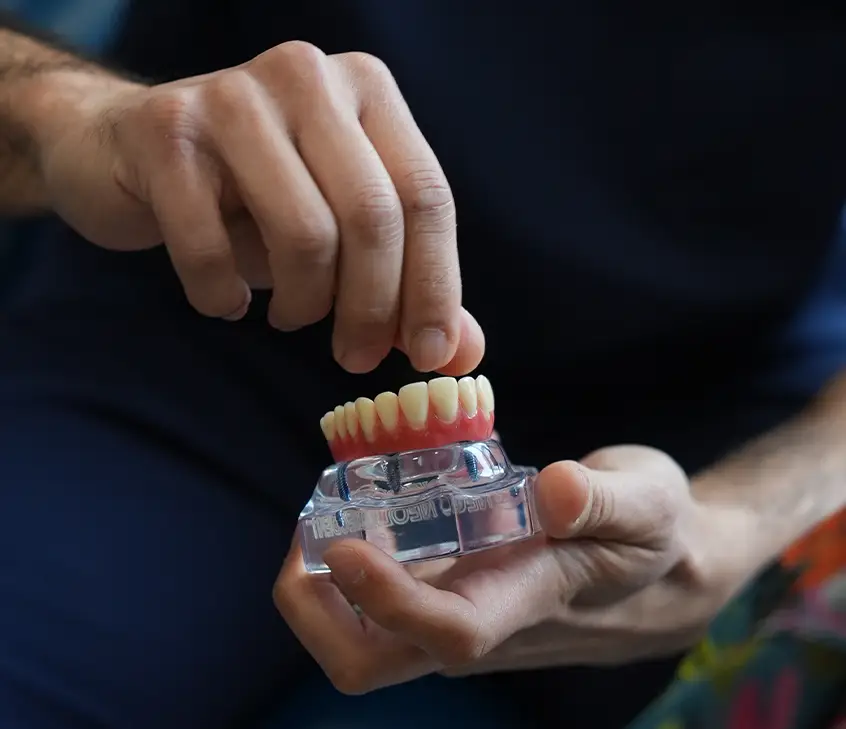
Dental Gear: Dentures, retainers, and aligners hold on to odour if not cleaned well. It builds fast. It sticks.
Does This Sound Familiar?
If your breath stays sour despite a good routine, if your gums bleed, or if a weird taste won’t go away, see a dentist. Persistent halitosis needs a proper look. No judgement. Just answers.
So, How Do You Fix Bad Breath?
Start with a routine you’ll keep. Small habits. Big results.
1) Back‑To‑Basics Brushing And Cleaning
Brush twice a day for two minutes with fluoride toothpaste (around 1450 ppm). An electric brush makes it easier and more consistent.
Clean between your teeth every day. Floss, interdental brushes, or a water flosser. Use what you’ll actually use.
Clean your tongue. A scraper works best; a soft brush is fine.
Change your brush head every three months (or sooner if it’s splayed).
If you wear dentures or aligners, clean them after meals and soak them overnight as advised.
2) Keep Your Mouth Moist
Sip water through the day. Keep a bottle nearby.
Chew sugar‑free gum, ideally with xylitol. It boosts saliva.
Avoid constant snacking. Your mouth needs breaks to rebalance.
3) Eat And Drink With Breath In Mind
Garlic, onions, and strong spices hang around. Enjoy them—then rinse or chew gum.
Coffee and tea can dry your mouth. Follow with water.
Alcohol does the same. Alternate with water. Your mouth will thank you.
4) Quit Tobacco (And Rethink Vaping)
Smoking causes stubborn odours, stains, and gum problems. Vaping may smell “nicer”, but it still dries your mouth and irritates tissue. Need help? Your GP or pharmacist can support you.
5) Use Mouthwash—Smartly
Pick alcohol‑free options. Look for zinc, CPC, or essential oils to reduce odour.
Use mouthwash at a different time to brushing, so you don’t wash away fluoride. Mid‑afternoon works well.
Chlorhexidine can help short‑term for gum issues. Only on advice, as it can stain and alter taste.
6) Tackle The Root Cause
Sinus or allergy problems? Speak to your pharmacist or GP. Managing post‑nasal drip can change everything.
Suspect reflux? Get it checked. Treating GORD can calm that sour taste and smell.
Dry mouth from medicines? Don’t stop them. Ask about alternatives, saliva substitutes, and lozenges.
7) Keep Up With Check‑Ups And Hygiene Visits
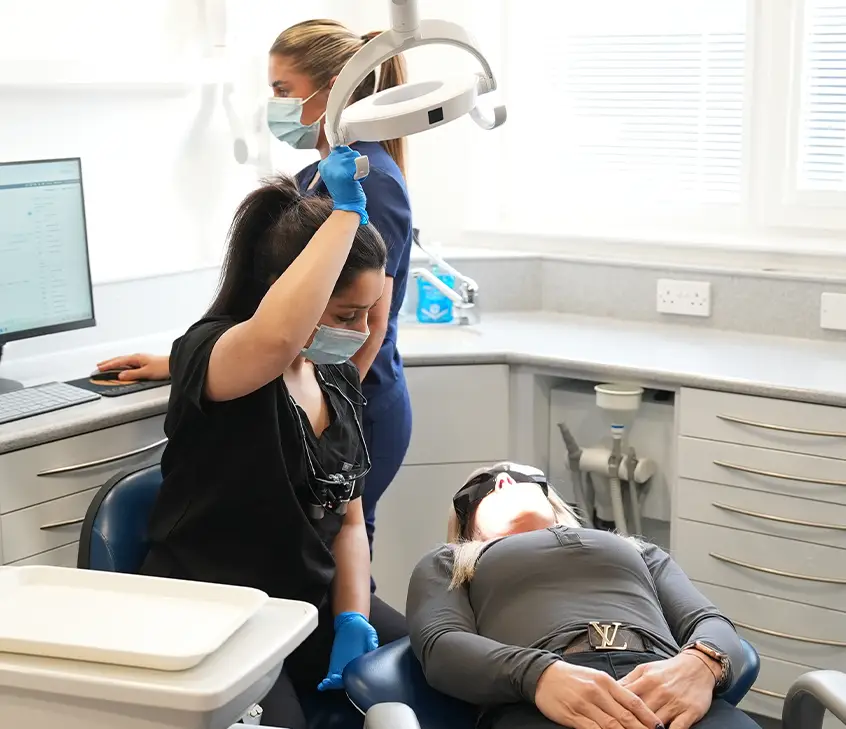
See your dentist and hygienist regularly (every six months, or as advised). Professional cleaning removes hardened plaque you can’t shift at home. Fresher breath follows.
When You Need More Than Mints
Sometimes you need targeted care. Your dentist may suggest:
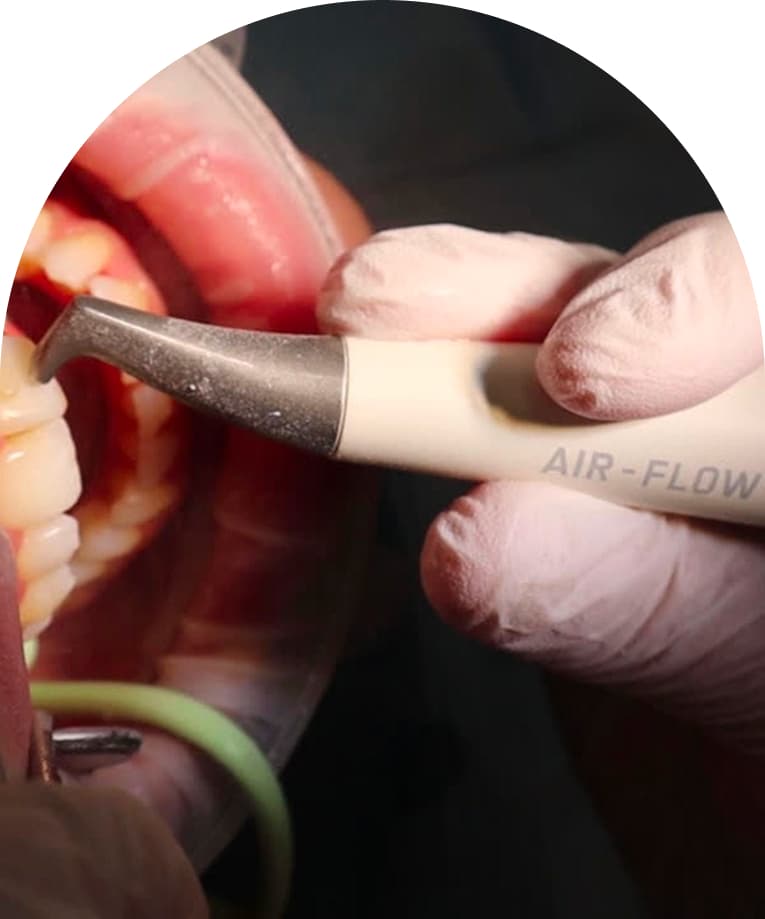
Professional Cleaning And Polishing Deep cleaning removes tartar and stubborn plaque. Airflow or guided biofilm therapy can be very effective for fresh breath and stain removal.
Gum Disease Treatment Thorough cleaning below the gumline (root surface debridement) helps remove the source of odour. Antibiotics are used only when needed and under guidance.
Targeted Mouth Rinses Or Lozenges Zinc‑based products help neutralise sulphur gases. Your dentist can recommend the right type and timing.
Dry Mouth Support Saliva substitutes, sugar‑free pastilles, gels, and certain prescriptions can ease dryness and protect teeth.
Managing Tonsil Stones Gargling, gentle water‑flosser use on a low setting, and if they persist, an ENT referral can help.
Laser Therapy Some clinics use lasers as part of gum care. It can lower bacteria in certain cases. Helpful, but not a magic wand.
A Quick, Very Human Story
One of our Ilkley clients—a busy teacher with two kids and a lot of coffee—kept minting her way through the day. She brushed well, but her tongue had a thick coating and her gums bled a little. We set a simple plan: electric brushing, interdental brushes, tongue scraping, and an alcohol‑free rinse used at lunchtime. After two hygiene visits and focused gum care, the bleeding stopped, the coating cleared, and—best of all—she stopped worrying at parents’ evening. Small steps. Big change.
Daily Little Wins You Can Start Today
Rinse with water after coffee or spicy food.
Keep sugar‑free gum in your pocket or car.
Pack a compact brush for the office or gym.
Stock your fridge with crunchy apples and carrots. They help nudge away soft plaque.
Love strong flavours? Plan a quick brush or scrape after.
Consider a probiotic yoghurt. It may help your oral balance. Easy swap.
A Final Word
Bad breath is common. And treatable. Most of the time, it’s about steady cleaning, staying moist, and spotting your triggers. If it lingers, don’t put up with it. A dental check can bring clarity, relief, and a plan that works for you.
About Regent Dental
At Regent Dental in Ilkley, we take halitosis seriously—and we treat it kindly. Our modern clinic pairs good tech with down‑to‑earth advice. From thorough hygiene appointments and gum care to tailored plans for dry mouth and tender tongues, we help you find fresh breath that lasts. Prefer calm visits, clear steps, and real results? That’s our style.
Conclusion
Fresh breath starts with small, daily choices. Brush well. Clean between. Keep your mouth moist. Sort the triggers. And if the problem sticks, come and see us. We’ll check what’s behind it and build a simple plan that fits your life—so you can talk, laugh, and get close with confidence.