Losing a tooth can knock your confidence. It can make simple things feel awkward. Smiling in photos. Biting an apple. Chatting over a cuppa without thinking about a gap. The good news? Dental implants can bring that everyday ease back. They’re a modern, trusted way to replace missing teeth so your smile looks natural and feels secure. If you’re wondering whether implants are for you, let’s walk through the essentials — clearly, calmly, and in plain English.
So, What Exactly Is A Dental Implant?
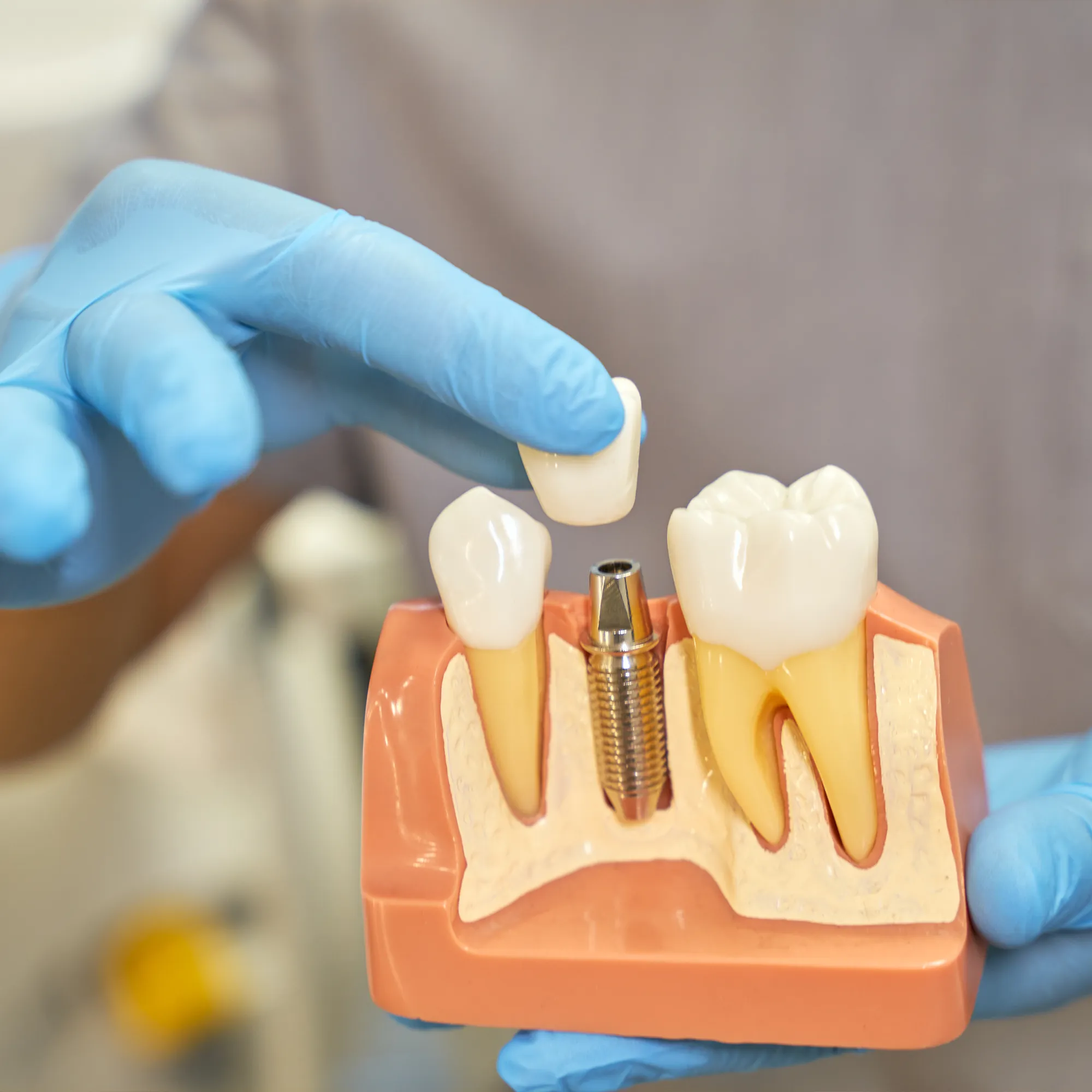
A dental implant is a small metal post that sits in your jaw and acts like a new root. It’s usually made of titanium, which your body accepts very well. Over time, the bone fuses to the post — a natural healing process called osseointegration. This creates a strong base for a new tooth.
Three parts make up the full tooth:
Implant: the titanium post in the jaw.
Abutment: the connector between post and tooth.
Prosthesis: the visible bit — a crown, bridge, or denture.
Think of it as a solid anchor under the gum. The top is the tooth you see. The result feels steady and looks like it’s always been there.
Why People Choose Implants
Natural look and feel: Implants blend into your smile. They feel stable when you eat or speak. No wobble. No fuss.
Protects healthy teeth: A bridge needs support from the teeth next door. An implant stands alone. No filing down. No added stress on other teeth.
Built for the long haul: With good care, implants can last many years. Often decades. A long-term fix rather than a quick patch.
Helps protect your jawbone: When a tooth is lost, the bone can shrink over time. Implants load the bone again, which helps keep the structure strong. That supports your facial shape too.
Comfortable, everyday function: Chew your Sunday roast. Chat in the pub. Laugh hard. Forget you ever worried about slipping teeth.
Easy upkeep: Brush and floss as normal. See your dentist for regular checks. No clips or nightly soaking. Just sensible care.
Who Is A Good Candidate?
Many people are suitable for implants. If your general health is good and your gums are healthy, you’re off to a strong start. You’ll also need enough bone to hold the implant. If the bone is thin or low, your dentist may suggest a bone graft or a sinus lift first. Straightforward steps, done every day.
Smoking can slow healing and increase the risk of complications. If you smoke, quitting or cutting down makes a real difference. Some medical conditions and certain medicines matter too, so your dentist will take a full medical history. The best next step is a proper assessment with scans. That gives clear answers and a plan that fits you.
What Happens During Treatment?
Timings vary. Most treatments take a few months to allow for healing and accuracy. Here’s the usual flow:
Consultation and planning: You talk through your goals. Scans are taken. A plan is agreed. Many implant dentists in Ilkley and across the UK use digital planning and guided surgery for precision. Helpful for tricky areas. Helpful for peace of mind.
Tooth removal (if needed): If the tooth is still in place, it’s taken out. Sometimes the implant goes in the same day. Sometimes it’s better to wait while the area settles. Your dentist will guide you.
Implant placement: You’ll have local anaesthetic. Sedation is available if you prefer to feel extra relaxed. The implant is placed into the jaw with measured care. Then you heal while the bone bonds to the implant. This can take several weeks.
Abutment and impressions: Once the implant is stable, the abutment is fitted. Impressions or digital scans are taken so your new tooth can be made to match your bite and shade.
Crown, bridge, or denture fitting: Your new tooth (or teeth) is crafted to blend in. Small tweaks make the bite feel just right. Comfort is key.
Follow‑up and maintenance: You’ll have regular check-ups and professional cleaning. Simple habits keep things in good shape for the long term.
A Quick Word On Options
Implants are flexible. You can replace:
A single missing tooth with a single implant and crown.
Several teeth with multiple implants and a bridge.
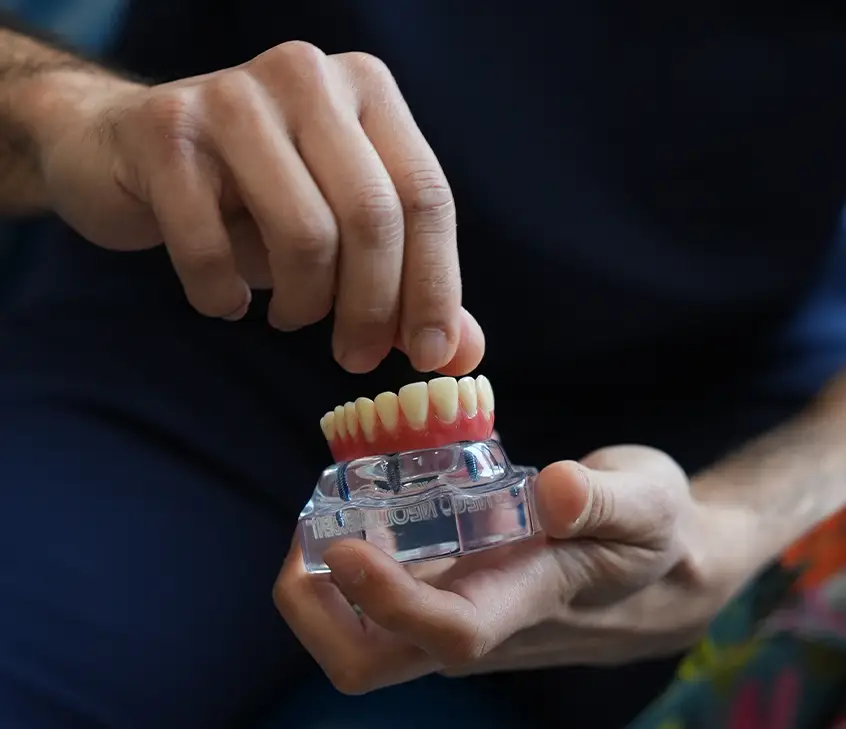
A full arch with an implant‑retained denture or a fixed full‑arch bridge (often called “All‑on‑4” or “same‑day teeth”).
Your implant dentist will help you choose the most predictable route for your mouth, your timeline, and your budget. There’s no one‑size‑fits‑all here. The best plan fits your life.
A Few Sensible Cautions
Implants have a high success rate. Still, no treatment is risk‑free. Possible issues include infection, slow healing, implant failure, nerve irritation, or sinus problems with upper back teeth. Some risks are linked to general health or habits like smoking. Good planning and careful aftercare reduce risk. So does choosing an experienced implant dentist. Keep your gums healthy, follow advice, and attend your reviews. Small steps. Big impact.
If Implants Aren’t Your Route
There are solid alternatives:
Dental bridges: Fixed in place and natural looking. They rely on the teeth either side for support.
Dentures: Cost‑effective for several missing teeth. Modern versions fit well and look good. They are removable.
Resin‑bonded bridges: A light‑touch option for small gaps, often at the front. Minimal drilling. Not for every case.
Your dentist can explain the pros and cons for your mouth. You’ll leave with clear choices, not dental jargon.
Keeping Implants In Great Nick
Brush twice a day and clean between teeth daily. Floss, interdental brushes, or a water flosser all help.
See your dentist and hygienist regularly for checks and cleaning.
Avoid smoking, manage conditions like diabetes, and wear a night guard if you clench.
Treat teeth like teeth. Be sensible with very hard foods. Don’t open packets with them — we’ve all done it, but still.
A bit of extra care goes a long way. Healthy gums. Happy implant.
A Real Story From Ilkley
Jane, 45, lost a lower molar to decay. She missed chewing on that side and, truth be told, she dodged steak on date night. After a calm chat and a 3D scan at Regent Dental, she chose a single dental implant. The placement was quicker than she expected. Just mild tenderness after. A few months later, her new crown clicked into place. Now she tucks into her favourite curry without thinking — and smiles in photos without angling her face. Small change. Big lift.
Are Dental Implants Right For You?
If you want something that looks like your own tooth, feels steady, and helps protect your jawbone, implants are well worth considering. The key is a thorough assessment. You’ll get a clear plan, honest timelines, and costs laid out from the start. No surprises. Just straight answers and careful work.
Thinking About Dental Implants In Ilkley?
Regent Dental in Ilkley, West Yorkshire, offers implant dentistry with attentive care and modern tech, including 3D imaging and guided planning. Whether you need a single‑tooth implant, several implants, or secure implant‑retained dentures, the team focuses on comfort, precision, and results that look natural. From first chat to final polish, you’ll feel looked after.
Conclusion
Dental implants can bring back comfort, confidence, and a natural‑looking smile. They protect bone, stand alone without harming healthy teeth, and are built to last. They do need planning, healing time, and good daily care — and they’re not right for everyone. A proper consultation will show you the best route, whether that’s an implant, a bridge, or a denture. Ready to see what’s possible? A clear plan — and a confident grin — could be closer than you think.
About Regent Dental
Regent Dental is a modern dental and aesthetic clinic in Ilkley, UK. The team provides comprehensive care — dental implants, cosmetic dentistry, and restorative treatments — in a calm, patient‑first setting. Plans are tailored. Conversations are clear. Treatment is measured and meticulous. Clinical expertise with a warm, local touch.
If you’re exploring dental implants or other ways to restore your smile, the team can guide you step by step. You can call the clinic or visit the website to book a consultation.
Losing a tooth can knock your confidence. It can make simple things feel awkward. Smiling in photos. Biting an apple. Chatting over a cuppa without thinking about a gap. The good news? Dental implants can bring that everyday ease back. They’re a modern, trusted way to replace missing teeth so your smile looks natural and feels secure. If you’re wondering whether implants are for you, let’s walk through the essentials — clearly, calmly, and in plain English.
So, What Exactly Is A Dental Implant?
A dental implant is a small metal post that sits in your jaw and acts like a new root. It’s usually made of titanium, which your body accepts very well. Over time, the bone fuses to the post — a natural healing process called osseointegration. This creates a strong base for a new tooth.
Three parts make up the full tooth:
Implant: the titanium post in the jaw.
Abutment: the connector between post and tooth.
Prosthesis: the visible bit — a crown, bridge, or denture.
Think of it as a solid anchor under the gum. The top is the tooth you see. The result feels steady and looks like it’s always been there.
Why People Choose Implants
Natural look and feel: Implants blend into your smile. They feel stable when you eat or speak. No wobble. No fuss.
Protects healthy teeth: A bridge needs support from the teeth next door. An implant stands alone. No filing down. No added stress on other teeth.
Built for the long haul: With good care, implants can last many years. Often decades. A long-term fix rather than a quick patch.
Helps protect your jawbone: When a tooth is lost, the bone can shrink over time. Implants load the bone again, which helps keep the structure strong. That supports your facial shape too.
Comfortable, everyday function: Chew your Sunday roast. Chat in the pub. Laugh hard. Forget you ever worried about slipping teeth.
Easy upkeep: Brush and floss as normal. See your dentist for regular checks. No clips or nightly soaking. Just sensible care.
Who Is A Good Candidate?
Many people are suitable for implants. If your general health is good and your gums are healthy, you’re off to a strong start. You’ll also need enough bone to hold the implant. If the bone is thin or low, your dentist may suggest a bone graft or a sinus lift first. Straightforward steps, done every day.
Smoking can slow healing and increase the risk of complications. If you smoke, quitting or cutting down makes a real difference. Some medical conditions and certain medicines matter too, so your dentist will take a full medical history. The best next step is a proper assessment with scans. That gives clear answers and a plan that fits you.
What Happens During Treatment?
Timings vary. Most treatments take a few months to allow for healing and accuracy. Here’s the usual flow:
Consultation and planning: You talk through your goals. Scans are taken. A plan is agreed. Many implant dentists in Ilkley and across the UK use digital planning and guided surgery for precision. Helpful for tricky areas. Helpful for peace of mind.
Tooth removal (if needed): If the tooth is still in place, it’s taken out. Sometimes the implant goes in the same day. Sometimes it’s better to wait while the area settles. Your dentist will guide you.
Implant placement: You’ll have local anaesthetic. Sedation is available if you prefer to feel extra relaxed. The implant is placed into the jaw with measured care. Then you heal while the bone bonds to the implant. This can take several weeks.
Abutment and impressions: Once the implant is stable, the abutment is fitted. Impressions or digital scans are taken so your new tooth can be made to match your bite and shade.
Crown, bridge, or denture fitting: Your new tooth (or teeth) is crafted to blend in. Small tweaks make the bite feel just right. Comfort is key.
Follow‑up and maintenance: You’ll have regular check-ups and professional cleaning. Simple habits keep things in good shape for the long term.
A Quick Word On Options
Implants are flexible. You can replace:
A single missing tooth with a single implant and crown.
Several teeth with multiple implants and a bridge.
A full arch with an implant‑retained denture or a fixed full‑arch bridge (often called “All‑on‑4” or “same‑day teeth”).
Your implant dentist will help you choose the most predictable route for your mouth, your timeline, and your budget. There’s no one‑size‑fits‑all here. The best plan fits your life.
A Few Sensible Cautions
Implants have a high success rate. Still, no treatment is risk‑free. Possible issues include infection, slow healing, implant failure, nerve irritation, or sinus problems with upper back teeth. Some risks are linked to general health or habits like smoking. Good planning and careful aftercare reduce risk. So does choosing an experienced implant dentist. Keep your gums healthy, follow advice, and attend your reviews. Small steps. Big impact.
If Implants Aren’t Your Route
There are solid alternatives:
Dental bridges: Fixed in place and natural looking. They rely on the teeth either side for support.
Dentures: Cost‑effective for several missing teeth. Modern versions fit well and look good. They are removable.
Resin‑bonded bridges: A light‑touch option for small gaps, often at the front. Minimal drilling. Not for every case.
Your dentist can explain the pros and cons for your mouth. You’ll leave with clear choices, not dental jargon.
Keeping Implants In Great Nick
Brush twice a day and clean between teeth daily. Floss, interdental brushes, or a water flosser all help.
See your dentist and hygienist regularly for checks and cleaning.
Avoid smoking, manage conditions like diabetes, and wear a night guard if you clench.
Treat teeth like teeth. Be sensible with very hard foods. Don’t open packets with them — we’ve all done it, but still.
A bit of extra care goes a long way. Healthy gums. Happy implant.
A Real Story From Ilkley
Jane, 45, lost a lower molar to decay. She missed chewing on that side and, truth be told, she dodged steak on date night. After a calm chat and a 3D scan at Regent Dental, she chose a single dental implant. The placement was quicker than she expected. Just mild tenderness after. A few months later, her new crown clicked into place. Now she tucks into her favourite curry without thinking — and smiles in photos without angling her face. Small change. Big lift.
Are Dental Implants Right For You?
If you want something that looks like your own tooth, feels steady, and helps protect your jawbone, implants are well worth considering. The key is a thorough assessment. You’ll get a clear plan, honest timelines, and costs laid out from the start. No surprises. Just straight answers and careful work.
Thinking About Dental Implants In Ilkley?
Regent Dental in Ilkley, West Yorkshire, offers implant dentistry with attentive care and modern tech, including 3D imaging and guided planning. Whether you need a single‑tooth implant, several implants, or secure implant‑retained dentures, the team focuses on comfort, precision, and results that look natural. From first chat to final polish, you’ll feel looked after.
Conclusion
Dental implants can bring back comfort, confidence, and a natural‑looking smile. They protect bone, stand alone without harming healthy teeth, and are built to last. They do need planning, healing time, and good daily care — and they’re not right for everyone. A proper consultation will show you the best route, whether that’s an implant, a bridge, or a denture. Ready to see what’s possible? A clear plan — and a confident grin — could be closer than you think.
About Regent Dental
Regent Dental is a modern dental and aesthetic clinic in Ilkley, UK. The team provides comprehensive care — dental implants, cosmetic dentistry, and restorative treatments — in a calm, patient‑first setting. Plans are tailored. Conversations are clear. Treatment is measured and meticulous. Clinical expertise with a warm, local touch.
If you’re exploring dental implants or other ways to restore your smile, the team can guide you step by step. You can call the clinic or visit the website to book a consultation.