
It happens in a blink. You bite a crusty baguette, take an elbow on the five‑a‑side pitch, or slip on a wet pavement. Then you feel it. A chipped tooth. It can be sharp. It can be shocking. It can feel oddly personal.
The good news? Quick, sensible steps protect the tooth and keep your smile looking like you. Act early and treatment is usually simpler, cheaper, and more comfortable. \
Here’s what to do straight away, when to book an urgent appointment, and how dentists fix chipped or broken teeth in the UK.
First Things First: Breathe, Then Check What’s Happened
Stay calm.
Find good light and look in a mirror.
How big is the chip?
Is the edge jagged?
Is there bleeding from the gum? Note any pain or sensitivity.
See a thin line down the tooth? That might be a crack.
These details help you decide your next step—and help your dentist plan care.
Rinse, Don’t Scrub
Gently swish warm water to clear debris. You don’t need mouthwash right now. Avoid brushing hard around the area. The tooth and gum are already a bit shocked. If there’s bleeding, press clean gauze or a damp tea bag on the gum. Hold for a minute or two. That’s often enough to slow it down.
Cover Sharp Edges So They Don’t Catch
A jagged edge can slice your tongue or cheek. Cover it using:
Dental wax from the chemist works well.
Sugar‑free chewing gum is a decent stand‑in.
Press a small piece over the sharp spot. It’s a tiny fix that stops the “ouch” every time you speak, sip, or swallow.
Manage Pain And Swelling
Sore or throbbing? Over‑the‑counter pain relief like ibuprofen or paracetamol can help if safe for you. A cold compress on your cheek reduces swelling. Skip very hot or cold drinks for now. Avoid sugary snacks. And don’t chew on the damaged side. Not worth the risk.
Found A Piece? Save It
If you find a fragment, keep it moist. Pop it in milk or saline. Saliva works in a pinch. Don’t scrub it clean. Just place it in a small container and bring it with you. Sometimes we can bond it back if the break is fresh and the piece fits neatly.
A Quick Word On DIY Fixes
Tempted to glue it? Please don’t. Superglue isn’t mouth‑safe. Bathroom sealant definitely isn’t. Temporary dental cement from a pharmacy can smooth a rough area for comfort, but it’s only a stopgap. Use it if you must—then book a dentist as soon as you can.
When To See A Dentist (And When To Go Today)
Any chipped or broken tooth needs a prompt dental appointment. Make it urgent if you notice:
Significant pain, swelling, or throbbing that doesn’t settle
A large chip or a deep crack
New or intense sensitivity to hot, cold, or sweet
A visible pink or red spot in the tooth (the nerve may be close or exposed)
A loose or displaced tooth, or a tooth that has moved
Injury to several teeth, your jaw, or a direct blow to the face
Problems biting or chewing
Signs of infection: swelling, bad taste, pus, fever, or feeling unwell
Had a serious facial injury, heavy bleeding, or feel faint? Go to A&E or call NHS 111 for advice. Otherwise, call your dentist or an emergency dentist near you. In Ilkley and across West Yorkshire, same‑day emergency dental appointments are often available for chipped teeth and dental trauma. Don’t wait and hope. Early fixes are easier and kinder to your tooth.
How Dentists Repair A Chipped Tooth
Treatment depends on the size and depth of the chip, the tooth involved, and how you bite. Here’s what we commonly use—and why:
Dental Bonding: Best for small chips or rough edges. We use a tooth‑coloured composite resin. We shape it, blend it, and set it with a light. It’s quick, gentle, and cost‑effective. Great for front teeth after a minor mishap. Results look natural and can be repaired in future if needed.
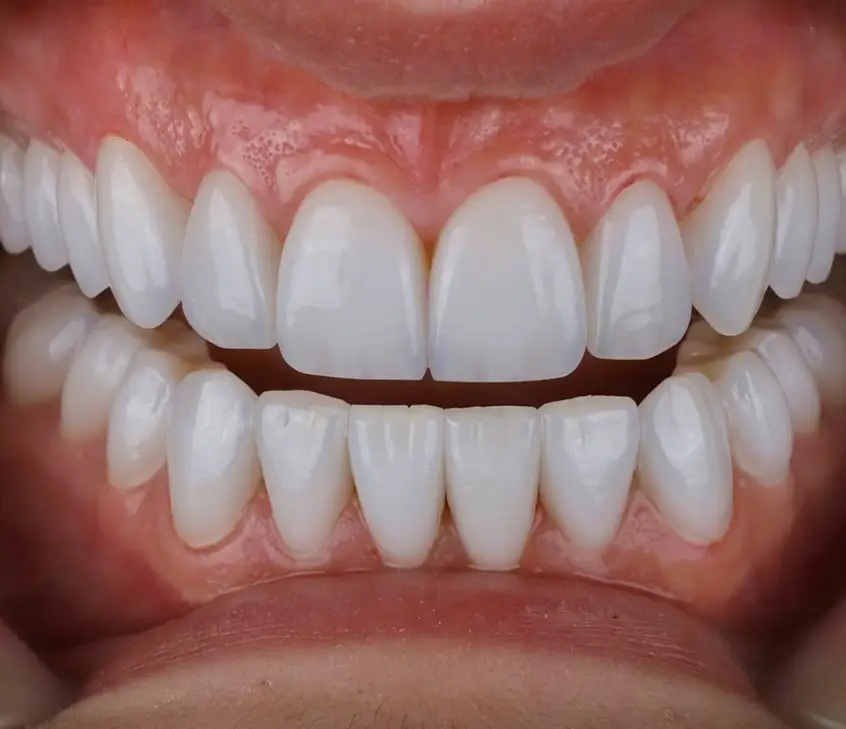
Porcelain Veneers: Ideal for moderate chips on front teeth or if you want a flawless finish. A thin porcelain shell is custom‑made and bonded to the front of the tooth. It looks lifelike and protects the surface. It usually takes a couple of visits for planning, fitting, and fine‑tuning.
Dental Crowns: If a big piece has broken or the tooth is weakened, a crown restores strength and appearance. It covers the whole tooth to spread bite forces. Depending on the technology in the practice, it may be made on the same day or over two visits. Materials include porcelain, zirconia, or porcelain‑fused‑to‑metal.
Root Canal Treatment: If the chip exposes or irritates the nerve, a root canal may be needed. We remove inflamed or infected tissue, clean the inside, and seal it. Then we restore the tooth with a filling or crown. It sounds scary. In reality, it relieves pain and saves teeth that would otherwise be lost.
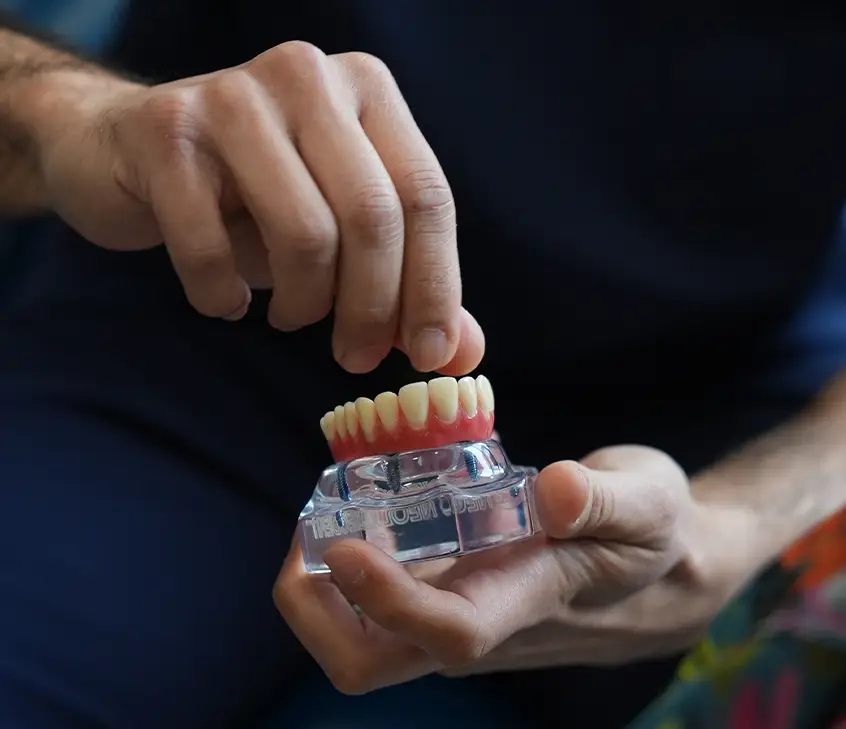
Extraction and Replacement: Sometimes a tooth is too damaged to save. In that case removal can be the healthiest choice. We then look at replacement options—dental implants, bridges, or a small partial denture. The goal is to bring back comfort, function, and your smile. We’ll explain pros, cons, timeline, and costs so you can choose with confidence.
A Brief Detour: Why Speed Matters? Teeth don’t heal like skin. Tiny cracks can grow. Bacteria can slip into gaps and irritate the nerve. A rough edge can chip again. That’s why “I’ll sort it next month” often turns into “I wish I’d come sooner.” Early care protects the nerve, limits pain, and preserves more natural tooth. It also keeps treatment simpler—and usually cheaper.
How To Avoid Chipped Teeth In Future
Accidents happen. But a few habits lower the risk:
Wear a mouthguard for contact sports, hockey, rugby, boxing—or even five‑a‑side if you play hard
Don’t chew ice, pens, or hard sweets; watch for olive stones and popcorn kernels
Use your teeth for eating, not opening packets (we’ve all done it—try to stop)
Treat teeth grinding (bruxism) with a custom night guard if needed
Keep enamel strong: brush twice daily with fluoride toothpaste, spit don’t rinse, and keep up with check‑ups and hygiene visits
If a filling or crown feels high or sharp, get it adjusted—uneven bite forces chip teeth
Bringing It All Together
A chipped tooth feels dramatic in the moment. But with quick first aid and the right dental care, it’s usually very fixable. Call your dentist, protect the area, and avoid chewing on it. The sooner you’re seen, the better the outcome—less fuss, less cost, more tooth saved. And if you’re unsure what to do next, a short phone call for advice can make all the difference.
About Regent Dental, Ilkley
At Regent Dental in Ilkley, West Yorkshire, we combine calm, friendly care with modern dentistry. Whether it’s a tiny nick on a front tooth or a more complicated break, our dentists will assess, explain, and treat in a way that suits you. From neat composite bonding and porcelain veneers to crowns, root canal treatment, and smile repairs after dental trauma—we’ve got you covered.
We offer prompt appointments for chipped teeth and emergency dental care. You’ll get clear advice over the phone and practical, realistic treatment plans. In many cases, we can see you the same day. If you’ve chipped a tooth, give our Ilkley team a ring. We’ll help you protect the tooth today and get you smiling again tomorrow.
Conclusion
Chipped a tooth? Start with simple first aid. Rinse, cover sharp edges, manage pain, and save any fragment. Then book a prompt dental visit. Early care is the best way to protect the nerve, avoid infection, and keep more of your natural tooth. And if you’re local to Ilkley, Regent Dental is here to help—calm, clear, and ready when you need us.