Dental implant surgery can change how you smile, speak, and eat. It’s a big step. And a good one. If you’re planning treatment or you’ve just had your implants placed, knowing what comes next helps. A smooth recovery isn’t luck. It’s steady aftercare, a bit of patience, and clear guidance.
Here’s how the days and weeks usually unfold, what’s normal, what’s not, and how to look after yourself so your new implants settle in well.
A Quick Word Before We Start
Implants are the gold standard for replacing missing teeth because they fuse with your jawbone. That bonding process is called osseointegration. In simple terms, the bone knits to the implant so it becomes part of you. It takes time. It’s worth it.
Right After Surgery: What You’re Likely To Feel
Most people notice a few common things straight away. Nothing dramatic. Just the body getting on with the job.
Swelling around the gums and cheeks. It often peaks at 48–72 hours, then eases.
Light bleeding or pink saliva on day one.
Tenderness or a dull ache near the implant site. Pain relief helps.
Numbness for a few hours where the local anaesthetic was used.
It can feel odd at first. You’ve had oral surgery. But you’re not meant to suffer. If pain worsens day by day rather than easing, get in touch.
Making Pain And Swelling Easier To Manage
Cold and calm help most in the first two days.
Use an ice pack on and off for the first 48 hours (20 minutes on, 20 minutes off).
Take pain relief as advised by your dentist or oral surgeon. Don’t wait until it really hurts.
Rest with your head raised on extra pillows to limit swelling.
Skip the gym and anything strenuous for a few days. Extra blood flow can make swelling worse.
Had sedation? Don’t drive, drink alcohol, or sign important documents for 24 hours. Cosy jumper. Quiet night in. Kettle on. You’ve earned it.
Keeping Your Mouth Clean Without Upsetting The Area
Clean, gentle, and fuss-free. That’s the plan.
On the day of surgery, don’t brush the surgical site. Brush the rest of your teeth as usual.
From the next day, rinse gently with warm salty water after meals and before bed. No vigorous swishing.
Avoid alcohol-based mouthwashes for a week. If you were given a chlorhexidine rinse, use it exactly as instructed.
Use a soft toothbrush and take care around the stitches. Dissolvable sutures will drop away on their own.
If you spot a little stitch end, leave it be. Tugging at it can reopen the wound.
Eating And Drinking: Soft, Simple, Soothing
Food fuels healing. Keep it easy for a few days.
Choose soft foods: yoghurt, scrambled eggs, soups, smoothies, mashed potato, well-cooked pasta, porridge.
Avoid hot, spicy, crunchy, or chewy foods at first. They can irritate the area.
Skip straws and anything that needs strong suction. It can disturb early healing.
Stay well hydrated. Avoid alcohol and go easy on caffeine for a few days. Your mouth will thank you.
Tip: let hot drinks cool a little. Heat can increase bleeding and soreness.
Taking It Easy Without Feeling Stuck At Home
Rest helps your body rebuild. Life doesn’t have to stop.
Light pottering is fine. Heavy lifting and hard exercise can wait a week.
Don’t smoke or vape. Big one. Smoking reduces blood flow and raises the risk of implant failure.
Try not to talk for long periods on day one. Sounds odd, but it reduces strain around the stitches.
If you sneeze, keep your mouth open. Less pressure, less discomfort.
A short walk is good. Fresh air helps. Just keep it gentle.
What’s Normal, And What’s Not: When To Call Your Dentist
Dental implants have an excellent success rate. Still, it helps to know the red flags.
Infection may show as persistent swelling, throbbing pain, heat, or discharge from the site.
Any feeling that the implant is loose or moving needs checking. Stability is key for osseointegration.
Lingering numbness or tingling beyond the first day or two should be assessed.
If you have a high fever, heavy bleeding, severe pain, or a reaction to medication, seek urgent care. Trust your gut. If something feels off, make the call.
The Healing Timeline: Slow And Steady Wins
Days 1–7: Soft tissue starts healing. Swelling rises, then settles. Tenderness fades.
Weeks 2–4: Gums continue to heal. You can ease back into a normal diet. Chew on the opposite side if you can.
Months 3–6: The bone bonds with the implant. Think of it like a seed putting down strong roots.
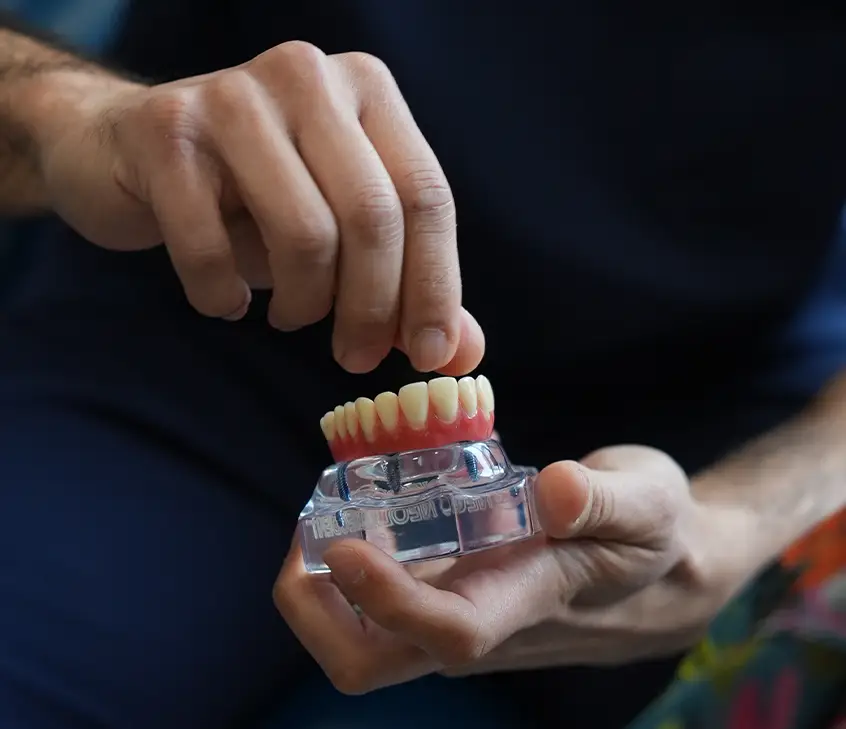
Final restoration: Once integration is confirmed, we fit your custom crown, bridge, or denture. This is when it all comes together.
Every mouth heals at its own pace. Don’t rush it. Consistency beats speed.
Little Habits That Help More Than You’d Think
Follow your aftercare instructions to the letter. Small details matter.
Keep your review visits. We can spot tiny issues before they grow.
Eat well, drink plenty of water, and get good sleep. Your body rebuilds bone and tissue when you rest.
If you clench or grind at night, tell us. A night guard can protect your new work.
Brush twice daily and clean between teeth. A floss threader or small interdental brush can help around the implant area once it’s comfortable.
Stay patient. Healing is a quiet process. You may not feel it day to day, but progress is happening.
A Brief, Very Human Digression
It’s normal to feel a mix of pride and nerves after oral surgery. You might be back at your desk in a day or two, taking a steady walk on Ilkley Moor by the weekend, and forgetting anything even happened the week after. And then you catch yourself smiling in a shop window and you think, yes—that’s me. That’s the point of all this. A small win. A big difference.
About Regent Dental, Ilkley
At Regent Dental in Ilkley, West Yorkshire, we provide high-quality dental implants with a calm, patient-first approach. Our implant dentists use careful planning and precise surgical techniques to support predictable results and smooth recovery. Whether you need a single-tooth implant, an implant bridge, or full-arch care, we tailor your treatment to your timeline, budget, and goals.
If you’re looking for dental implants in Ilkley or you want advice on implant aftercare, we’re here—before, during, and after your treatment. Visit www.regent-dental.co.uk to book a consultation or speak to our team. No hard sell. Just honest guidance, clear choices, and steady support while you heal.
Conclusion
Dental implant surgery is a smart, steady path back to a confident bite and smile. The first days call for rest, cold packs, soft foods, and gentle cleaning. The weeks ahead ask for patience and good habits. Watch for red flags, keep your reviews, and follow your plan. Do that, and your implant has the best chance to integrate well and last. Step by step. Day by day. A healthier smile at the end.
FAQs:
How long after dental implant surgery can I go back to work?
Most people with office-based jobs feel ready to go back after 1–3 days, once the initial swelling and discomfort have eased. If your work involves heavy lifting or physical effort, you may need a bit longer and should ask your dentist for personalised advice.
Is it safe to fly shortly after having dental implants?
For a straightforward single implant, flying is usually fine once you feel comfortable and your pain is controlled, often after a few days. After multiple implants, sinus lifts, or bone grafts, many clinicians suggest waiting around 10–14 days, and checking with your surgeon before booking longer trips.
How long do I need to sleep with my head elevated after implant surgery?
Keeping your head raised for the first few nights (often up to a week) helps reduce swelling and throbbing. Most people gradually return to their usual sleeping position once discomfort and puffiness have settled, but side-sleeping directly on the implant area is best delayed until your dentist is happy with healing.
What should I do if my lip or chin still feels numb weeks after the implant?
Tell your dentist or surgeon promptly if numbness, tingling, or a “pins and needles” feeling persists beyond the first few days. It can be a sign of nerve irritation; in many cases sensation slowly returns over weeks or months, but early assessment and monitoring are important to protect long-term nerve health.
When can I go back to the gym or lift weights after dental implant surgery?
Light walking is usually fine straight away, but strenuous workouts, running, or heavy lifting are often paused for at least a few days, and sometimes 2–4 weeks depending on how complex your surgery was. Starting too hard, too soon can increase bleeding, swelling, and stress on the implant, so follow the specific timeline your dentist gives you.