Dental implants have changed how we replace missing teeth. They look natural. They feel secure. They make eating, speaking, and smiling easier. One question keeps coming up though: is there an age when implants aren’t recommended? We hear it often at Regent Dental in Ilkley.
Here’s the simple answer. It’s not really about age. It’s about timing, health, and bone. In this guide, we explain how age fits into the bigger picture, what the evidence shows, and how we make decisions with patients here in Yorkshire. If you’re weighing up implants for yourself or someone you love, a bit of clarity helps.
What Is A Dental Implant?
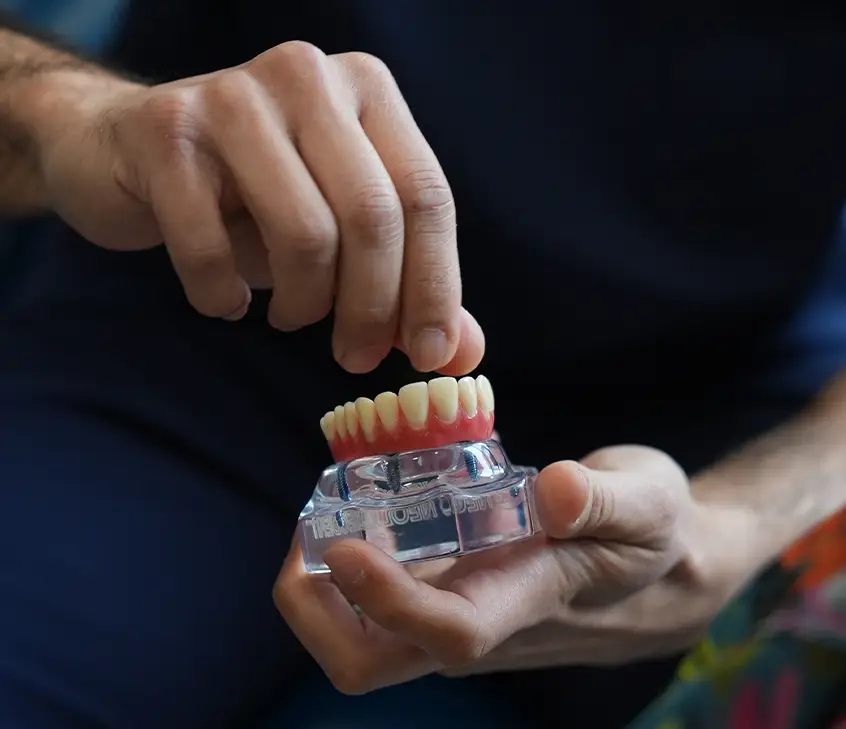
A dental implant is a small, biocompatible post that replaces a missing tooth root. It’s usually made of titanium. We place it in the jaw, where it bonds with the bone. After healing, it supports a crown, bridge, or denture. In short: it’s a firm anchor for a new tooth that looks and works like the real thing. Strong. Discreet. Reliable.
So, Are Dental Implants Suitable For All Ages?
Younger Patients – Why Growth Matters
This is where age does matter. Children and teenagers are still growing. So are their jaws. If we place an implant before growth has finished, the jaw keeps moving but the implant doesn’t. Over time, that can cause misalignment or uneven gum levels. Not ideal.
Most people finish jaw growth in their late teens to early twenties. It varies from person to person. We check growth carefully and confirm timing before treatment. While we wait, we use smart interim options. That might be orthodontics to guide the bite. It might be a neat removable tooth to fill the gap. It keeps confidence up and protects future results.
Older Adults – It’s Health, Not The Number
For adults, there’s no fixed upper age limit. None at all. The focus shifts to bone quality, gum health, and general wellbeing. Conditions like uncontrolled diabetes, active gum disease, or recent radiotherapy to the jaw can affect healing. The same goes for certain medicines. But with good planning and care, many people in their 60s, 70s, and beyond do brilliantly with implants.
The truth? Age alone isn’t the deciding factor. We look at you, your health, and your goals. Not your birth year.
What Really Influences Implant Success At Any Age
Bone density and volume: Healthy bone holds the implant steady. Younger patients need fully developed bone. Older patients may have some bone loss, especially after long-term tooth loss or gum disease. If needed, bone grafting can rebuild support before placing the implant. Sometimes sinus lifts are used in the upper jaw. The aim is simple: a strong base that lasts.
General health and medication: We review your medical history in detail. Diabetes control, heart health, immune conditions, and any past radiotherapy all matter. Some osteoporosis medicines need extra care and timing. Blood thinners may need a plan. We can liaise with your GP if helpful. Joined-up care leads to smoother treatment.
Gum health and daily habits: Healthy gums are essential. Good brushing and interdental cleaning reduce risk. Smoking increases complications and slows healing. Cutting down or quitting helps a lot. Alcohol in high amounts can also affect recovery. Small changes make a big difference.
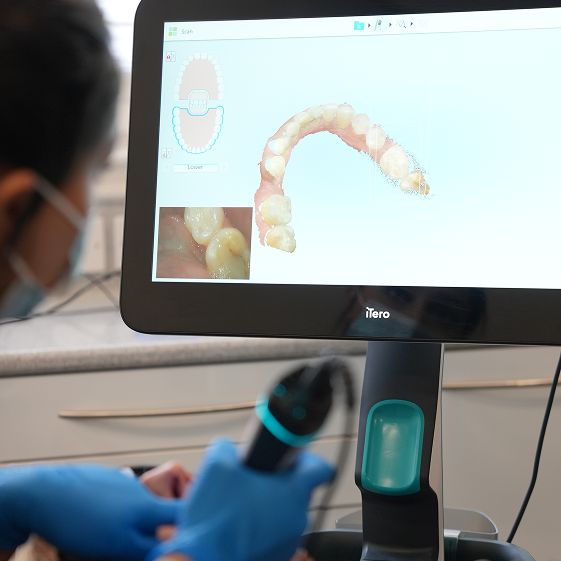
Technology and technique: Modern implant dentistry is precise. 3D scans (CBCT), digital planning, and guided surgery help us place implants where they will thrive. We can measure bone, avoid nerves and sinuses, and plan the final tooth shape before we start. Fewer surprises. Better comfort. More predictable results.
A Quick Word On Expectations
We often hear, “I just want to bite into an apple again,” or, “I’m tired of my denture moving when I laugh.” We get it. Implants aren’t instant. But they’re worth the wait. The process is calm and staged. Clear steps. Clear timelines. Think of it like a kitchen refit. Measure twice. Fit once. Enjoy for years.
Expert Insight From Our Ilkley Team
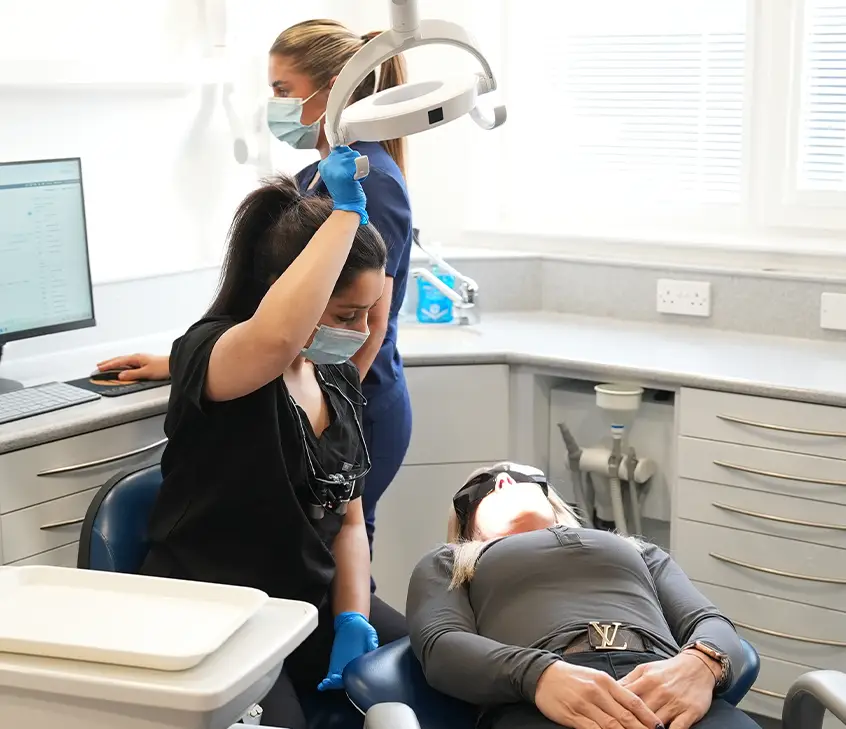
At Regent Dental, every implant journey starts with a proper conversation. We take a full medical history, examine your mouth, and carry out 3D imaging to map your bone. Then we build a plan that suits your goals, your timeline, and your budget. No guessing. No rushing.
Our lead implant dentist, says: “Age is just one line on the chart. What matters is good planning, healthy bone and gums, and a patient who’s looked after. With today’s techniques, people well into their 80s can enjoy stable, natural-looking teeth again.” Sensible, steady, and made to last.
Clearing Up A Few Stubborn Myths
“Implants are only for the young.” Not true. Adults of all ages can be great candidates.
“There’s an upper age limit.” There isn’t. Health and bone condition guide the decision.
“Older adults don’t heal well enough.” Many do. Healing may be slower, but outcomes are excellent with careful care.
Real Stories From The Chair
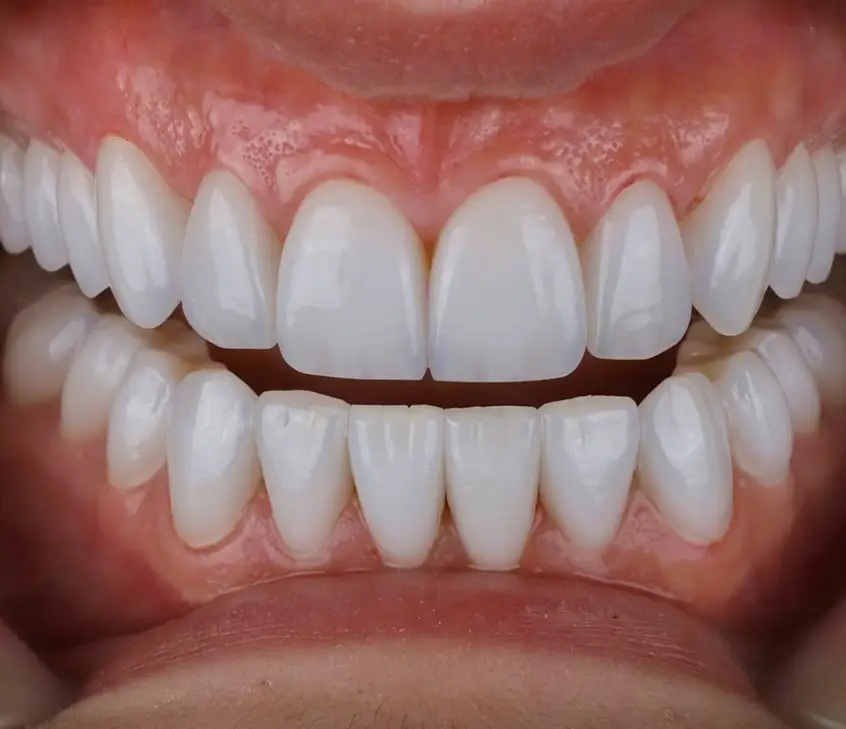
Early adult, sport injury: A 22-year-old lost a front tooth in a rugby tackle. We monitored growth and confirmed the timing. Then we placed a single implant and a custom crown. The result blends in so well you wouldn’t spot it in a selfie. Confidence back. No compromise on function.
Active retiree, sore denture: A 75-year-old struggled with a loose lower denture and mild bone loss. We carried out bone grafting, then placed two implants to secure a new denture. Eating is easier. Speech is clearer. Sunday roast is back on the menu. Simple joys restored.
Who Implants Are Right For—And When
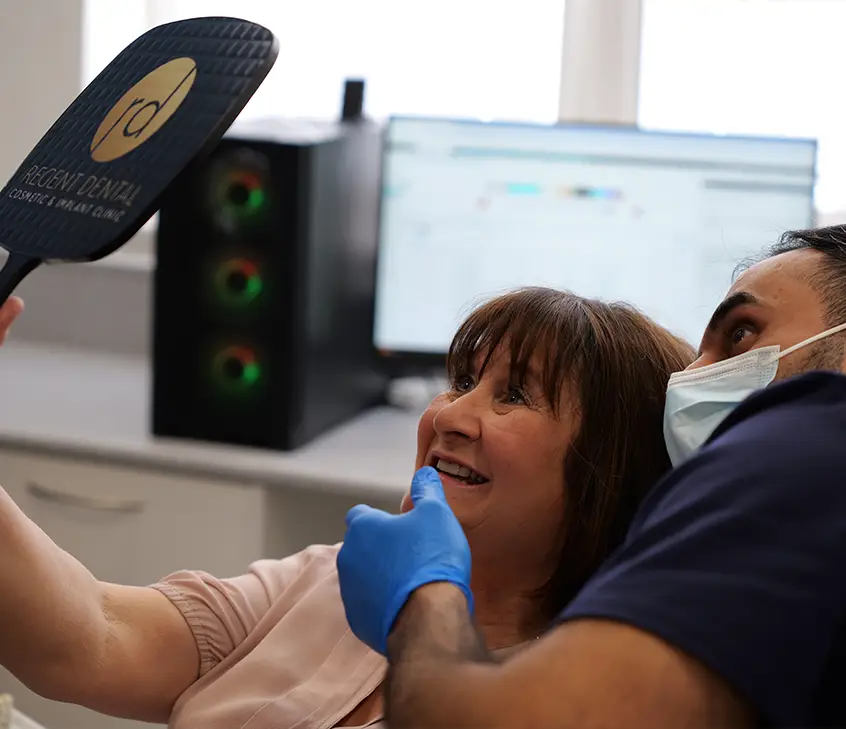
If you’re still growing, we wait. If you’re not, we look at the full picture. That’s it in a nutshell. Dental implants can be life-changing for many people across Yorkshire, from Ilkley to Leeds and beyond. They bring back daily joys—crunching an apple, smiling in photos, speaking without worry. And you know what? That confidence shows. Every day. In small moments that add up.
Our Approach At Regent Dental
Personalised planning with 3D imaging and guided surgery where appropriate
Straightforward conversations about bone grafting, steps, and timelines
A focus on gum health before, during, and after treatment
Honest advice if another option suits you better
Clear aftercare so you know how to look after your implant long term
What To Expect From The Process
Assessment and planning: medical history, exam, scans, and a clear plan
Preparatory care: gum treatment or grafting if needed
Placement: precise, well-planned surgery, usually under local anaesthetic
Healing: time for bone to bond with the implant
Restoration: fitting the final crown, bridge, or denture
Maintenance: regular check-ups and cleaning tips to protect your results
About Regent Dental
Regent Dental is a modern, welcoming dental and aesthetic clinic in Ilkley. We provide general, cosmetic, and restorative dentistry, including dental implants. Our team blends clinical precision with an eye for detail, so your smile looks good and feels even better. We focus on care, comfort, and trust—because great dentistry should feel straightforward.
Ready To Explore Dental Implants?
If this resonated with you—or raised a few questions—get in touch. We’re happy to chat, explain the steps, and map out a plan that fits your life. No pressure. Just clear advice and kind care.
Conclusion
There’s no hard upper age limit for dental implants. The key questions are simple: are you healthy enough, is your bone ready, and are your gums well cared for? For younger patients, we wait until growth has finished. For adults, we assess, prepare, and plan so your implant stands the test of time. The result? A confident bite. A steady smile. And everyday life made easier.