 (1).png)
Short answer: not usually. With most dental sedation types, you remain conscious, calm and able to respond. You might feel drowsy or even nap, but you are not fully asleep. Only a general anaesthesia makes you unconscious.
What Is Dental Sedation?
Dental sedation uses medication to ease anxiety and increase comfort during a sedation dental procedure. It is used alongside local anaesthetic, which numbs the treatment area. With conscious sedation, you stay responsive, breathe on your own and keep your protective reflexes.
At Regent Dental in Ilkley, we tailor our dental sedation options to your needs and medical history. Whether you feel nervous about a routine visit or are planning more involved care such as a root canal treatment, our focus is safety, comfort and clear communication.
Types Of Dental Sedation
Minimal Sedation With Nitrous Oxide
Also called inhalation sedation or laughing gas, this is a mix of nitrous oxide and oxygen breathed through a small nose mask. You feel relaxed and less aware of worry or discomfort. You stay awake and can talk to your dentist. Recovery is usually rapid.
Oral Conscious Sedation
You take a prescribed sedative tablet before your appointment. It reduces anxiety and often makes you sleepy. Many patients doze during treatment, yet you remain rousable and can follow simple instructions. You will need an escort to take you home.
Intravenous Conscious Sedation
IV sedation is given through a small cannula in your arm or hand. It provides a deeper level of relaxation and a calm, dreamlike state. You are still conscious and continuously monitored, but you may remember little of the visit, which many nervous patients find reassuring. You will need an escort home.
General Anaesthesia In Hospital Settings
General anaesthesia makes you fully unconscious and is different from dental sedation. It is usually reserved for complex cases in a hospital setting rather than routine private practice.
Who Is Dental Sedation Suitable For?
Sedation can help if you:
Feel anxious or fearful about dental care
Have a strong gag reflex
Struggle to sit still for longer appointments
Have a low pain threshold or have had difficult experiences before
Need extensive treatment such as dental implants in Ilkley
It may not be suitable if you are pregnant, have certain breathing or heart conditions, severe sleep apnoea, complex medication needs or allergies, or a history of adverse reactions. A thorough pre-assessment is essential to confirm suitability and choose the safest option for you.
Benefits And Limitations
Benefits:
Reduces anxiety and helps you feel more in control
Makes longer or multiple procedures more manageable
Can reduce memory of sights and sounds
Often short recovery times, especially with nitrous oxide
Limitations:
Sedation does not replace local anaesthetic for pain control
You usually need an escort to take you home after oral or IV sedation
Temporary drowsiness, slower reactions and mild nausea can occur
Not everyone is medically suitable, so careful assessment is required
Risks, Safety And Monitoring
Dental sedation is considered safe when delivered by trained clinicians with appropriate checks. Common short-term effects include drowsiness, light-headedness and temporary poor coordination. Less common risks include low oxygen levels, allergic reactions and interactions with alcohol or some medicines.
During sedation, your team monitors your breathing, oxygen levels, pulse and blood pressure. Share your full medical history, current medicines and any recreational substances so your plan is safe and predictable.
How Long Does Sedation Last And What Aftercare Is Needed?
Nitrous oxide works within minutes and wears off soon after the gas is stopped.
Oral conscious sedation usually starts within 30 to 60 minutes and can last several hours.
IV sedation acts rapidly and fades over the next few hours, though your memory may be patchy.
Aftercare essentials:
Arrange an escort to take you home for oral or IV sedation
Rest for the remainder of the day and avoid driving, cycling, operating machinery or signing important documents
Avoid alcohol and recreational drugs for at least 24 hours
Take prescribed pain relief as advised and follow the written aftercare provided
Contact the practice if you have severe or prolonged vomiting, breathing difficulty, unusual rash, heavy bleeding or worsening pain
Your dentist will confirm whether you should avoid food or drink before your appointment and for how long, based on the type of sedation planned.
Sedation For Different Dental Procedures
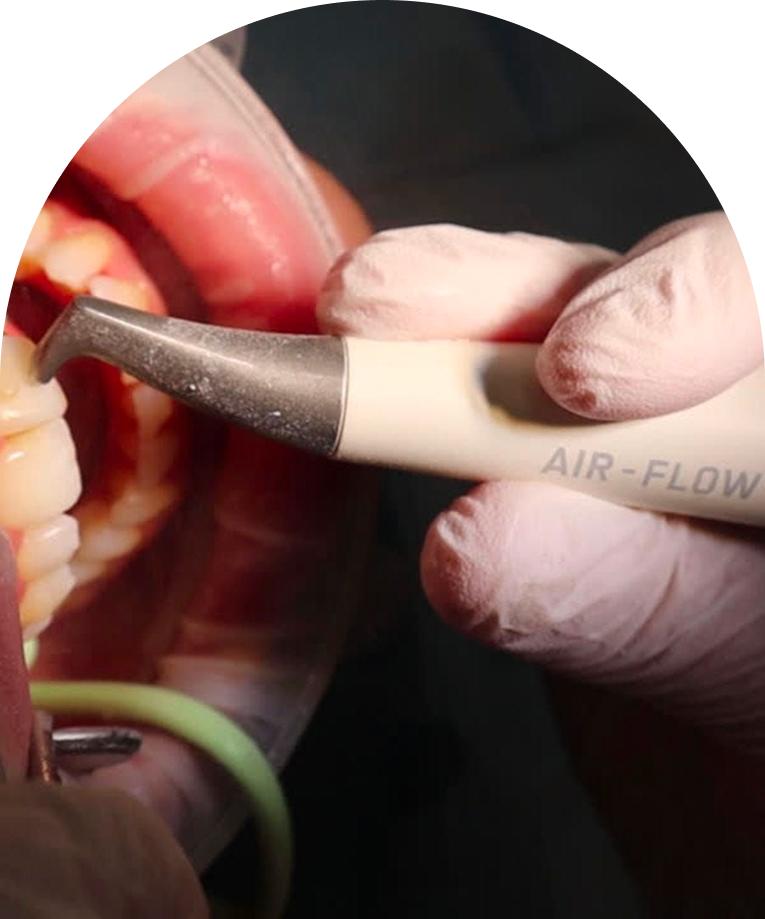
Sedation can support many treatments, from anxious visits for dental hygiene appointments to longer care such as restorative dentistry. It can also be helpful for procedures like a root canal treatment or the placement of dental implants in Ilkley, allowing you to stay relaxed while we work efficiently.
Why Choose Regent Dental In Ilkley?
Our calm, patient-first approach suits those who feel nervous about dental care. We take time to explain your options, agree a plan that fits your needs and monitor you closely throughout. Patients visit us from across Ilkley and West Yorkshire for our friendly team, clear communication and thoughtful aftercare.
If you are considering sedation for your next appointment, please contact our Ilkley dental team to speak with us or arrange a consultation.
Conclusion
If you are wondering whether dental sedation puts you to sleep, the key point is that most dental sedation keeps you calm but conscious. With the right assessment and a tailored plan, sedation can make your visit smoother and more manageable. To explore your options, get in touch with our Ilkley team for clear advice and a plan that suits you.