 (1).png)
What you eat and drink shapes your oral health every day. The balance between sugars, acids, and protective nutrients influences plaque, enamel, gums, and long-term tooth strength.
The Short Answer: How Diet Affects Teeth
Diet affects your teeth because mouth bacteria turn sugars and refined starches into acids that dissolve enamel. Acids in drinks and some foods also soften enamel. Frequent snacking gives acids more time to act. Choosing tooth-friendly foods, limiting acidic and sugary items, drinking water, and using fluoride toothpaste helps protect enamel and reduce decay risk.
Why Diet Is Important For Dental Health
Every time you eat, bacteria in dental plaque feed on fermentable carbohydrates like sugar and white flour. They produce acid, which lowers pH and draws minerals out of enamel. This is demineralisation. Saliva helps reverse this by neutralising acids and returning minerals to the tooth surface. This is remineralisation.
If you snack often, sip sugary or acidic drinks, or go long periods with a dry mouth, your teeth spend more time in the danger zone. Over time, that can mean decay, erosion, sensitivity, staining near the gumline, and gum problems.
A balanced dental health diet provides the building blocks your mouth needs:
Calcium, phosphorus, and vitamin D support enamel and jawbone.
Vitamins A, C, and K support healthy gums and soft tissues.
Protein, fibre, and healthy fats promote steadier energy and fewer snacks.
Good hydration keeps saliva flowing to buffer acids.
Which Foods Are Best For Strong Teeth?
Dairy And Alternatives
Milk, cheese, and yoghurt are rich in calcium and phosphates that support remineralisation. Cheese also stimulates saliva and helps neutralise acids. If you are plant-based, choose calcium-fortified plant milks and yoghurts and include tofu set with calcium.
Crunchy Fruits And Vegetables
Apples, carrots, celery, and peppers encourage chewing and saliva flow. That helps wash away food debris and dilute acids. Their fibre supports gum health too.
Foods Rich In Vitamins And Minerals
Leafy greens like spinach and kale provide vitamins A, C, and K, plus folate. Oily fish, eggs, beans, nuts, and seeds contribute vitamin D, phosphorus, and magnesium that support teeth and bone.
Water And Sugar-Free Gum
Plain water helps rinse the mouth, especially after meals. Chewing sugar-free gum, ideally with xylitol, can boost saliva and reduce acid attack between meals.
Foods And Drinks To Limit For Healthier Teeth
Sugary Treats And Sweets
Sugar and teeth are a difficult combination. When bacteria break down sugar, they create enamel-dissolving acids. Sweets, chocolate, cakes, biscuits, and sugary drinks raise decay risk, particularly if eaten often or slowly.
Acidic Foods And Drinks
Fizzy drinks, energy drinks, fruit juice, wine, and vinegar-based dressings can erode enamel over time. The longer you sip, the more contact acids have with teeth.
Sticky And Starchy Foods
Toffees, caramels, dried fruit, and crisps cling to tooth surfaces. White bread, crackers, and some breakfast cereals break down into sugars and can lodge in grooves.
Caffeinated Drinks And Alcohol
Coffee, tea, and alcohol can dry the mouth and reduce saliva protection. Many mixed drinks and flavoured coffees are also acidic or sugary.
How To Protect Your Teeth Through Diet
Keep sugary and acidic drinks to mealtimes and avoid sipping over long periods.
Swap snacks for tooth-friendly choices such as nuts, cheese, raw vegetables, or plain yoghurt.
Rinse with water after acidic or sugary items. Use a straw for acidic drinks to reduce contact with teeth.
Chew sugar-free gum with xylitol after meals if you cannot brush.
Use fluoride toothpaste with around 1450 ppm fluoride twice daily and a fluoride mouthwash at a different time to brushing.
Wait 30 to 60 minutes before brushing after acidic foods or drinks to avoid brushing softened enamel.
Check food labels and choose lower sugar options. Aim for balanced meals with protein, fibre, and healthy fats to reduce snacking.
Carry a refillable water bottle when out in Ilkley or across West Yorkshire to stay hydrated.
Who May Need Extra Dietary Care
People with a dry mouth due to medication or dehydration.
Anyone with frequent heartburn or reflux, which can bring acid into the mouth.
People with diabetes or a high decay risk.
Children and teens, especially if grazing through the day.
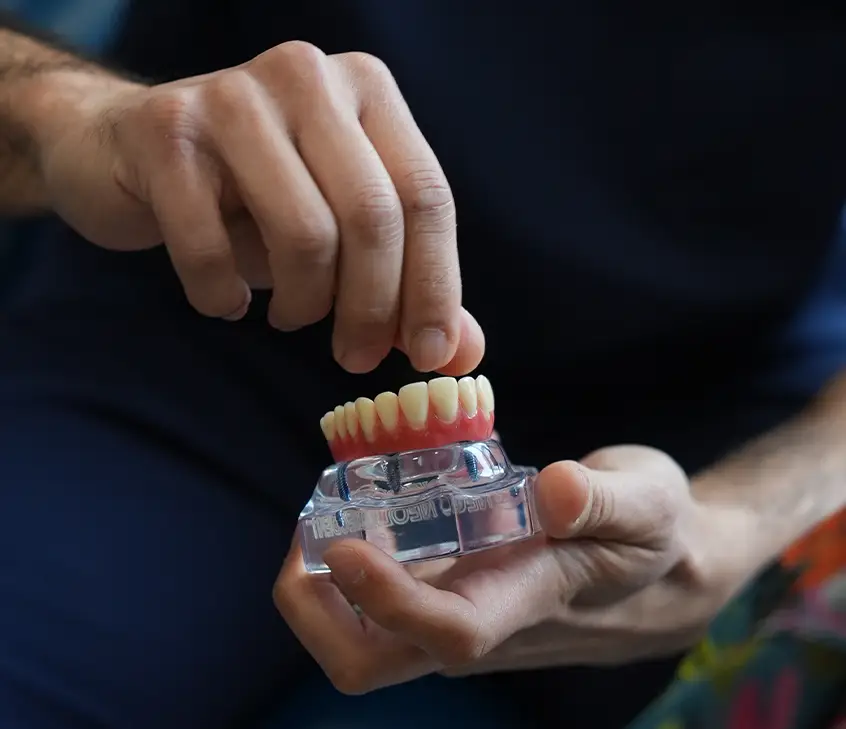
Aligner or denture wearers, where food or drink can be held against teeth for longer.
If any of these apply to you, a tailored plan can make a real difference. Your dentist may suggest additional fluoride, prescription-strength toothpaste, or more frequent dental hygiene appointments to support your teeth and nutrition goals.
The Role Of Professional Dental Care
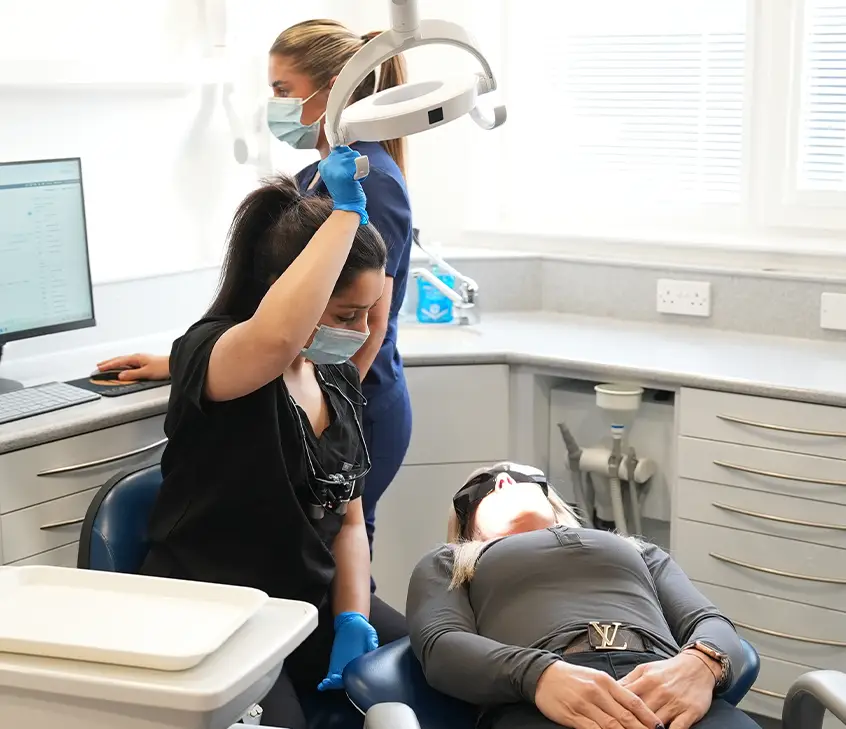
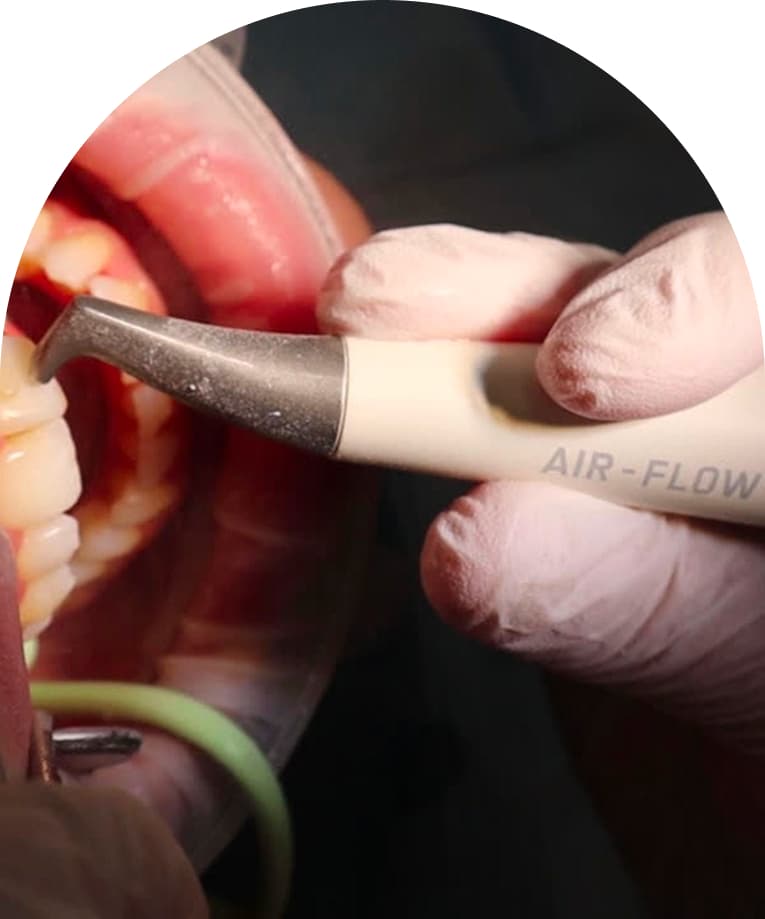
Routine check-ups with a private dentist in Ilkley help spot diet-related risks early. During your dental hygiene appointments, your hygienist can remove plaque, apply fluoride if needed, and advise on simple, sustainable diet tweaks that suit your lifestyle and preferences.
If diet has already led to wear or decay, options in restorative dentistry can repair function and appearance. For tailored advice about how your diet affects your teeth, please contact Regent Dental to arrange an assessment.
Next Steps: Personal Advice In Ilkley
Small, consistent changes add up. If you would like guidance on a practical dental hygiene diet that fits your routine, our team can help you choose foods good for teeth, reduce risk from sugar and acidic drinks, and plan maintenance that works. Get in touch with Regent Dental in Ilkley for calm, friendly support and a personalised plan.