.png)
A healthy smile does more than look good. It helps you speak, enjoy your food and feel like yourself. Yet tooth decay, also called dental caries or cavities, still creeps up on many of us in the UK. A splash of squash after school. A biscuit with your cuppa. A fizzy drink on the go. Small habits add up. The good news? When you know what causes cavities, spot early signs and act fast, you can protect your teeth for years.
Let’s walk through the essentials with clear steps and plain language. No fuss. Just useful tips you can use today. Here is the thing. Small changes, done often, make the biggest difference.
What Exactly Is Dental Caries?
Dental caries is a slow process driven by dental plaque. Bacteria in plaque feed on sugars and starches. They make acid. That acid pulls minerals out of enamel and dentine. Over time, a soft spot appears. Then a cavity. Think of rain on limestone. One shower is nothing. Constant drips make a groove.
This does not happen overnight. It takes repeated acid attacks and not enough time for repair. Saliva tries to fix early damage between meals. Fluoride helps too. But if sugar hits are frequent, the balance tips. Decay wins.
So, What Causes Cavities In Teeth?
A few common factors work together. Understanding them helps you stay ahead.
Bacterial activity: Certain species, like Streptococcus mutans, love sugar. They make acid. This is normal biology, not bad luck or dirty teeth.
Diet and snacking pattern: Little and often is the real issue. Fizzy drinks, sweetened tea, energy drinks, sports drinks. Hidden sugars in sauces and snacks. They keep mouth pH low for longer.
Plaque build-up: If brushing and interdental cleaning slip, plaque collects in grooves and tight spots. It thrives where a brush does not reach.
Saliva flow: Saliva buffers acid and brings minerals. A dry mouth makes decay more likely. Common causes include certain medicines, hay fever tablets, stress, and mouth breathing.
Tooth shape and crowding: Deep pits on molars and crowded teeth trap food. They are harder to clean well.
Life stage and access: Children, teens with braces and older adults with exposed roots often face higher risk. If it is hard to see a dentist, small problems can grow fast.
Early Signs Of Dental Caries You Should Not Ignore
Decay is easiest to treat before there is a hole. Watch for these.
Chalky white or light brown patches on enamel. Often near the gumline or in grooves.
Twinges with cold water, sweet foods or when you brush near the gum.
Food catching in the same spot again and again.
A visible pit, a dark shadow or a rough patch on the tooth.
Persistent bad breath or a sour taste.
Notice any of these? Do not wait. Early care can stop decay in its tracks.
From Early Fixes To Full Repairs: How Dentists Manage Tooth Decay
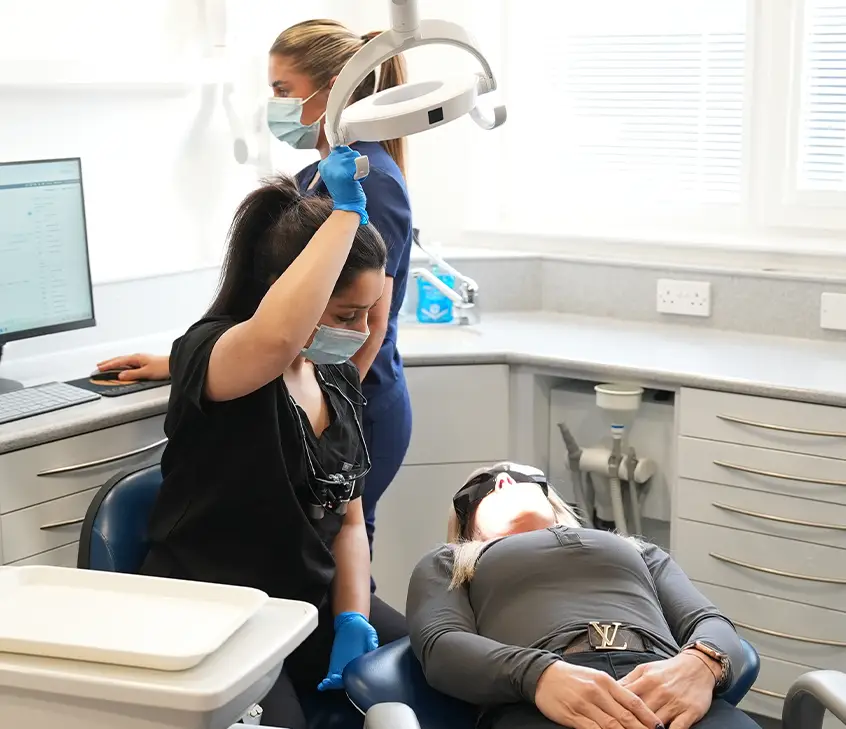
Not all decay needs a drill. The stage of the lesion guides the plan. Your dentist will assess risk, give tailored advice and agree a simple action list you can stick to.
Early-Stage Care, No Cavity Yet
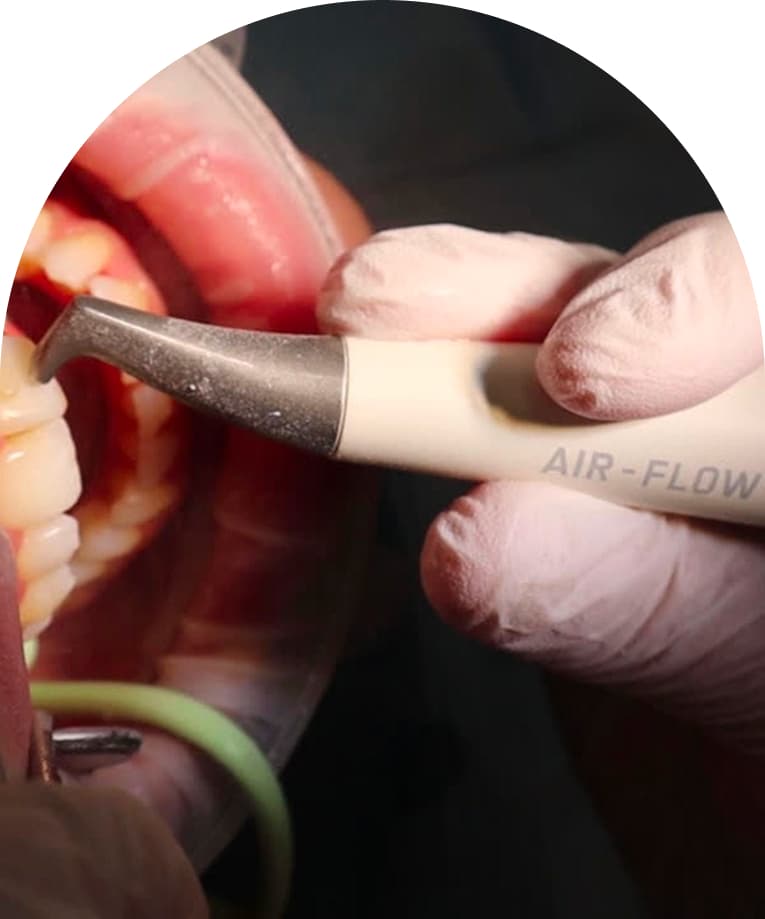
Fluoride therapy: Surgery-applied varnish and daily fluoride toothpaste help enamel heal. Your dentist may prescribe a higher fluoride paste if risk is high.
Fissure sealants: A thin coating on the chewing surfaces of molars blocks plaque and sugar. Very effective for children and teens. Helpful for deep grooves in adults too.
Diet tweaks with a purpose: Cut sugary hits between meals. Swap frequent sips of juice or fizzy drinks for water or milk. Keep sweet treats to mealtimes.
Oral hygiene coaching: Technique matters. Short, gentle strokes along the gumline. Angle the bristles. Clean between teeth each day with floss or interdental brushes. Small sizes for tight gaps. Larger ones for bigger spaces.
When A Cavity Has Formed
Fillings: The decayed area is cleaned and filled with a tooth coloured composite. In some cases, amalgam may be used. This seals the tooth and stops decay spreading.
Inlays, onlays or crowns: If a large area is weakened, a lab made restoration gives strength and protection. It helps the tooth last.
Root canal treatment: If bacteria reach the pulp, endodontic care removes infection. The tooth can then be saved and restored.
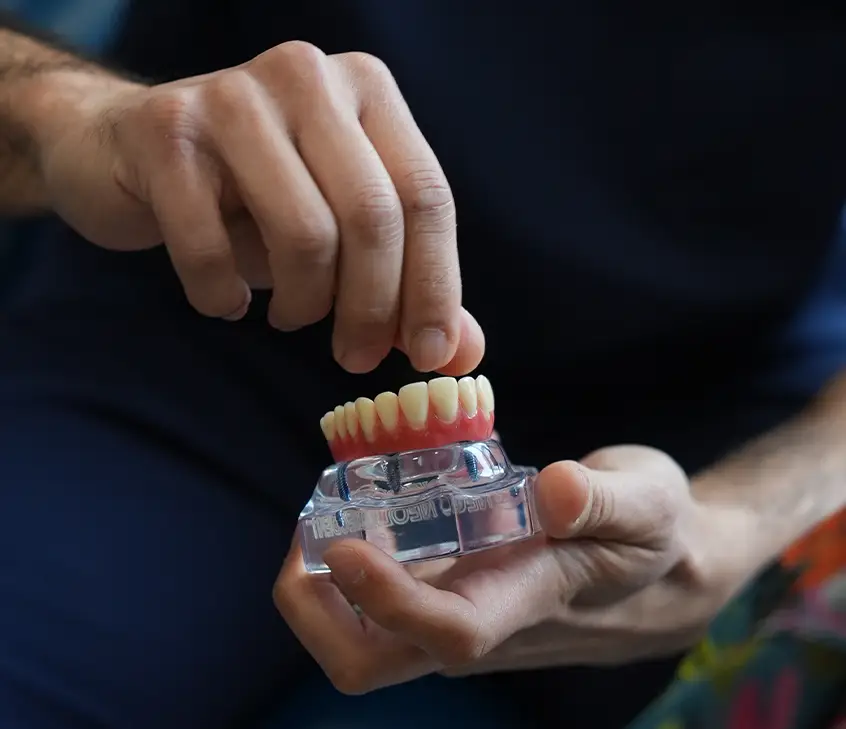
Extraction: A last resort when a tooth cannot be repaired. Replacement options, such as implants or bridges, can be discussed.
Your Prevention Short List, Simple, Proven, Effective
Brush twice daily for two minutes with fluoride toothpaste. Choose at least 1,350 to 1,500 ppm. Spit, do not rinse. Let the fluoride work.
Clean between teeth daily. Use floss or interdental brushes. Pick the tool you will actually use.
Keep sugary food and drink to mealtimes. Water is best between meals. And yes, that includes a small splash of cordial.
Book regular dental check ups and professional cleans. Catch small issues early and they stay small.
Consider fissure sealants for children’s permanent molars. Quick, painless and shown to cut decay risk.
Manage dry mouth if it is an issue. Sip water. Try sugar free gum or lozenges, xylitol helps. Ask your dentist about saliva substitutes or tailored fluoride support.
A Small Digression That Matters: Timing Beats Total Sugar
You could have the same amount of sugar in one go at lunch. Or in five tiny nibbles across the afternoon. The five nibbles do more harm. Every sugar event drops the pH in your mouth for about 30 minutes. Fewer events mean fewer acid attacks. Simple rule of thumb. Little and often is lovely for tea breaks, but not for teeth.
Brushing Tips You Will Actually Use
Use a soft or medium toothbrush. Electric brushes with a small round head help.
Place the bristles at the gumline. Angle them slightly. Gentle, small strokes.
Do not scrub. Let the brush do the work.
Take your time on the back teeth. That is where most decay starts.
Replace your brush head every three months. Sooner if it frays.
A Quick Case From The Surgery
A 10 year old came in with several early lesions and one small cavity. Lots of snacking after school, plus rushed brushing. We started with fluoride varnish and a simple brushing demo using a mirror and timer. One realistic swap made a big change. Water instead of fizzy drinks between meals.
We placed fissure sealants on the molars and restored the small cavity with a tooth coloured filling. Six months later, no new decay, better plaque scores and a proud grin. Education plus small, doable changes. That is the winning combo.
What To Expect At Your Appointment
First, a chat about your routine. What you eat and drink. Any dry mouth symptoms. Your medicines. Then a careful look at teeth and gums. X rays if needed. You get a clear picture of risk and a plan that fits your life. We keep it simple. One or two changes at a time. We review progress and adjust if needed. No judgement. Just support.
Why This All Matters, And Why Acting Now Pays Off
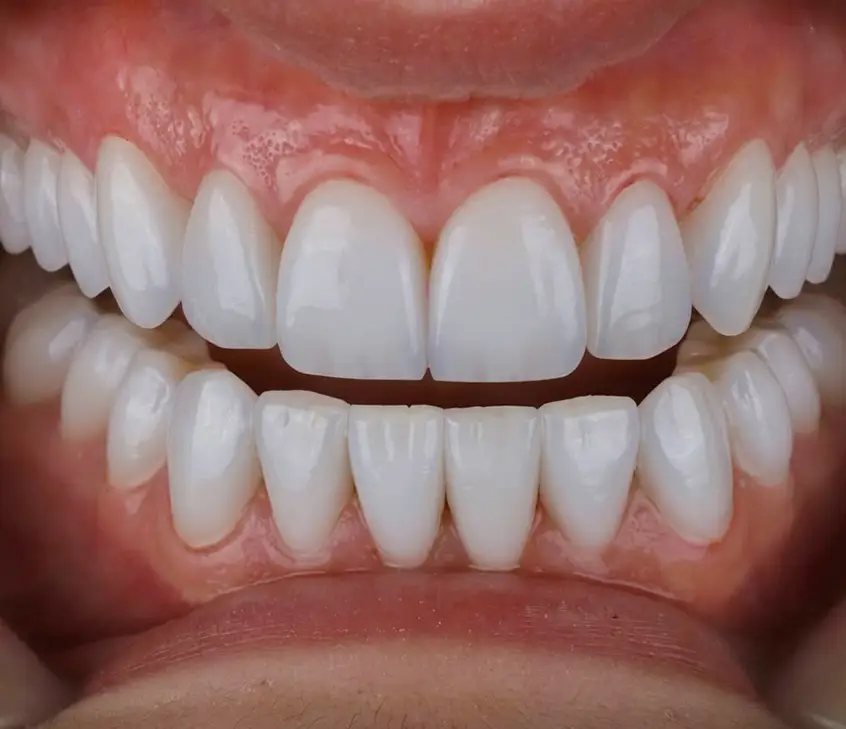
Tooth decay is common, but it is not a given. With smart habits and the right support, enamel can heal. Teeth can last. Smiles can stay bright. Prevention is kinder, cheaper and far less hassle than treatment. And if treatment is needed, modern care is precise and comfortable. The aim is always the same. Keep as much natural tooth as possible for as long as possible.
About Regent Dental
Regent Dental in Ilkley is a friendly, modern clinic with down to earth care. We provide prevention and restorative treatments for dental caries. That includes fluoride therapy, fissure sealants, gentle tooth coloured fillings, crowns and root canal treatment when needed. We tailor advice to your routine, your diet and your goals. No two smiles are the same. We take time to listen, explain options and agree the next steps together. If you want help to prevent cavities, or to sort them with minimal fuss, we would love to see you.
Small Extras That Make A Big Difference
Keep a refillable water bottle with you. Sip water, not sugar.
Save sweet or sticky foods for mealtimes. Cheese after a meal can help neutralise acid.
Use a straw for acidic drinks if you have them. Do not swirl them around your mouth.
Wait 30 minutes after acid drinks before brushing. Brushing too soon can rub softened enamel.
Consider a high fluoride toothpaste if your dentist advises it. Follow the instructions on amount and timing.
Helping Children Build Good Habits
Supervise brushing until at least age seven. A pea sized blob of fluoride toothpaste from six. A smear for under six.
Make it fun. Use a timer or a song. Reward charts help.
Offer water or milk between meals. Keep fruit juice and squash to mealtimes.
Ask about fissure sealants once the first adult molars come through.
If You Have Braces Or Aligners
Clean around brackets and wires with care. Use interdental brushes and a fluoride mouthwash at a different time from brushing.
Avoid frequent snacking. Sticky sweets and fizzy drinks increase risk.
Keep regular check ups. Early advice prevents white spots and cavities.
If You Have A Dry Mouth
Sip water often. Try sugar free gum to boost saliva.
Use saliva substitutes if needed. Your dentist can suggest options.
Choose alcohol free mouthwash. Check your medicines with your GP if dryness is severe.
Conclusion
Tooth decay is preventable for most people. Know the causes. Spot the signs. Act early. With steady brushing, smart snacking and regular check ups, you can keep your teeth strong. And if a problem starts, quick care limits the damage. At Regent Dental we are here to help with clear advice and kind, effective treatment. Your smile is part of who you are. Let’s protect it together.