 (1).png)
Short answer: to fix a failed implant, your dentist identifies the cause, gently removes the implant if needed, treats any infection, rebuilds bone with grafting where required, allows 3 to 6 months of healing, then places a new implant or recommends an alternative such as a bridge or denture.
At Regent Dental in Ilkley, we provide clear explanations, supportive care, and carefully planned failed dental implant treatment. If you are exploring dental implants in Ilkley, our team can assess your suitability and outline your options. Learn more about dental implants in Ilkley.
What Is Considered A Failed Dental Implant?
A failed dental implant is one that does not integrate with the bone or later develops problems that make it unstable, uncomfortable, or difficult to clean. Signs can include mobility, pain on biting, gum swelling, bleeding, or discharge around the implant. Early assessment improves outcomes.
What Causes A Dental Implant To Fail?
Common reasons include:
Peri-implantitis, which is an infection and inflammation of the tissues around the implant
Inadequate bone volume or density to support the implant
Overloading from bite forces, teeth grinding, or a crown that is too high
Poor oral hygiene or untreated gum disease
Systemic health factors or smoking that affect healing
Positioning issues that make cleaning difficult or place excess stress on the implant
How Do Dentists Diagnose And Plan Treatment?
Your dentist will:
Review your medical and dental history and check your oral hygiene routine
Examine the gums and implant crown or abutment for mobility and inflammation
Take X-rays and, if needed, a 3D scan to assess bone levels and the position of the implant
Identify whether the issue is infection, bone loss, mechanical overload, or placement-related
A clear diagnosis guides whether the implant can be treated in place or needs dental implant removal.
How Is A Failed Implant Removed?
If the implant cannot be saved, removal is carried out under local anaesthetic. The aim is to preserve as much healthy bone and gum as possible. Your dentist will:
Loosen and remove the crown and abutment
Gently unscrew or section the implant with minimal trauma
Clean and decontaminate the site to reduce bacterial load
Most patients report only mild post-treatment soreness, which usually settles within a few days.
What Happens After Implant Removal?
After removal, the site is assessed and managed to promote healthy healing.
Infection Control
Any infected tissue is carefully cleaned. You may receive antimicrobial rinses and, where appropriate, antibiotics.
Implant Bone Grafting Explained
If there is bone loss, implant bone grafting can help rebuild volume for a future implant. Grafting adds bone material to the area and may be paired with a collagen membrane to support healing. In the upper back jaw, a sinus lift may be discussed if there is limited bone height. Your dentist will explain the material used, the expected healing time, and what to avoid while it heals.
How Long Does Healing Take?
Healing usually takes 3 to 6 months, depending on the extent of infection and grafting. Your dentist will review the site during this period. If a front tooth is involved, a temporary solution such as a removable denture or adhesive bridge can be provided for appearance and function while you heal. In carefully selected cases with no active infection and good bone, immediate replacement may be possible, but a staged approach is often recommended for predictability.
Can The Failed Implant Be Replaced?
In many cases, yes. Once the area is healthy and stable, a new implant can be placed with careful planning to improve the chance of success. This may include:
Adjusting implant position for better bone support and cleaning access
Managing bite forces to avoid overloading
Considering guided placement based on scans and a digital plan
If replacing the failed implant is not advisable, you will be offered other routes to restore your bite and smile.
What Are The Alternatives To Replacing The Implant?
Alternatives include:
A fixed dental bridge supported by adjacent natural teeth
A removable partial denture
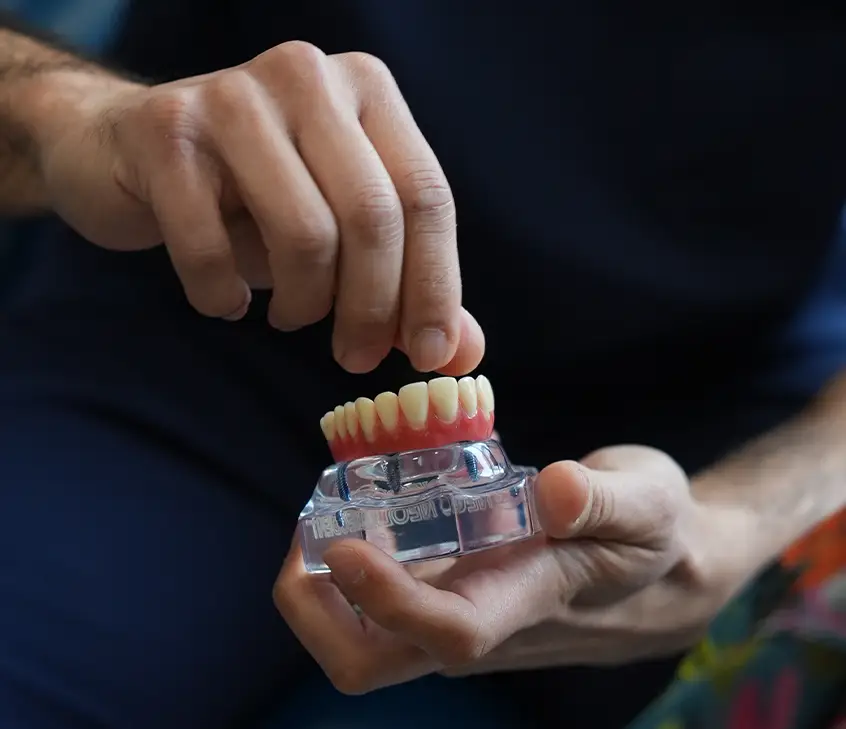
For multiple missing teeth or full-arch cases, options such as All-on-4 may be considered
Your personalised plan will consider bone levels, oral health, lifestyle, and budget. Where tooth position or bite is contributing to risk, aligner treatment such as Invisalign® Aligners may be suggested to improve stability before replacement.
Prevention And Aftercare For Long-Term Success
Good habits protect your investment:
Brush twice daily with fluoride toothpaste and clean between teeth and around implants with interdental brushes or floss
Attend regular dental hygiene appointments for professional cleaning and maintenance
Manage teeth grinding with a night guard if recommended
Keep to routine check-ups for monitoring of gum health and bite
Avoid smoking and follow tailored cleaning advice around abutments and crowns
When Should You Speak To A Dentist?
Contact a dentist promptly if you notice implant mobility, persistent soreness, swelling, bleeding, bad taste, or changes in your bite. If you are in or around Ilkley or West Yorkshire, our friendly team can help assess your implant and advise on the next step. To get started, you can book a consultation at Regent Dental.