.png)
Dental implants have changed how we rebuild smiles. They look natural. They feel secure. With good care, they can last many years. Success rates are often 95 to 98%. Still, no treatment is perfect. Some implants do fail. If you are thinking about implants, or already have them, it helps to know why. It also helps to know what you can do to keep them healthy.
At Regent Dental in Ilkley, we mix clinical skill with modern tools to tip the odds in your favour. In plain English, here is what happens under the gum, the main reasons implants fail, and the simple habits that make success more likely.
What Do We Mean By Implant Failure?
An implant fails when it does not bond to the jawbone, or when it later becomes loose, infected, or damaged. In short, the post either never settles in, or it loses its hold over time.
We usually see two broad types:
Early failure. This appears in the first weeks or months. It is often linked to poor bonding with the bone, infection, or a surgical issue.
Late failure. This shows up months or years later. It is often due to infection around the implant, bone loss, or mechanical strain.
Why Do Implants Fail? The Usual Suspects
Peri-Implantitis, The Most Common Cause Of Late Failure
Peri-implantitis is inflammation around an implant. Think of it as gum disease around a post. Bacteria collect in the pocket by the metal. The gum gets sore and bleeds. The bone can then shrink back. If this carries on, the implant can loosen.
Risk factors: Poor brushing, smoking, uncontrolled diabetes, a past history of gum disease.
What you might notice: Redness, bleeding on brushing, swelling, tenderness, a bad taste, or a wobbly feel.
How to prevent it: Keep plaque low with careful brushing and interdental cleaning. Do not smoke. Keep medical conditions stable. See your dentist for regular care.
Study after study points to peri-implantitis as the top cause of late failure. The better news? It is mainly preventable. Early inflammation, called peri-implant mucositis, is reversible. Catch it early and you change the outcome.
Poor Osseointegration, When The Bond Never Forms
For an implant to work, the titanium must fuse with the jawbone. We call this osseointegration. If the bone is thin, soft, or stressed while healing, the post may not lock in.
Common causes: Not enough bone, poor bone quality, surgical trauma, infection, too much movement during healing, or health issues that affect bone. Smoking and poorly controlled diabetes are key examples.
Signs and timing: Pain, swelling, or a loose feel soon after placement. Sometimes a dull ache when biting.
Prevention in practice: A proper assessment with 3D scans, bone grafts or sinus lifts if needed, a gentle surgical approach, and a calm healing period with no heavy biting on the new implant.
Think of it like planting a rose. You would not plant it in dead soil and hope for the best. Good bone is the good soil. We prepare it well. We protect it while it takes.
Lifestyle And Medical Factors, What Your Body Brings To The Table
Smoking slows healing and reduces blood flow. It also raises the risk of infection. Smokers face a higher risk of both early and late failure. Health conditions can add to the risk too. Uncontrolled diabetes can impair healing. Some autoimmune conditions affect the gums. Osteoporosis can change bone quality. None of this is a blanket no. It means we plan with care. We can also speak to your GP if needed. Then we set a maintenance routine that supports you.
Overloading And Mechanical Issues, When Forces Do Not Play Fair
Bite forces are strong. If they are not spread well, or they arrive too soon, they can disrupt the bone and implant bond. They can also wear down parts.
Overloading: Chewing too hard too soon can disturb healing.
Prosthetic problems: A crown or bridge that is too high or misaligned, worn components, or a design that does not share the load.
Bite balance: If your bite is off, one implant can take more force than it should.
A quick image. Think of a flat-pack bookcase with all the heavy books on one shelf. You can guess what happens. Things bend or break. Implants prefer even loads and good alignment.
Surgical And Technical Errors, Uncommon But Important
With an experienced implant dentist, these are rare. Still, poor angulation, contamination during surgery, or poor site preparation can cause problems. Planning, training, and sterile technique matter. We do not rush this. Long term success starts here.
How To Stack The Odds In Your Favour
Implants succeed when the plan is sound, the surgery is careful, and the aftercare is steady. Here is how we keep it that way:
Comprehensive assessment: We review your medical history. We examine your gums. We scan in 3D with CBCT. We check bone volume and density.
Thoughtful planning: If bone is thin, we graft. If the sinus is close, we lift. We design the final crown from the start, so everything lines up.
Guided surgery: Digital planning and surgical guides help us place with precision. This reduces trauma and helps healing.
Quality components: Proven implant systems and biocompatible materials for the crown and abutment.
A calm healing phase: We protect the area. We limit heavy biting. We schedule timely checks.
Personalised maintenance: Tailored hygiene support. Regular implant reviews. Bite checks. Guidance to keep plaque low and tissues healthy.
Lifestyle support: Help with stopping smoking. Diet tweaks. Support with diabetes control where relevant.
You know what? Success is rarely about one big thing. It is the little habits. Daily cleaning. Showing up for checks. Not pushing too fast. That is what makes the real difference over time.
A Quick, Real World Story
Jane, 55, came to us in Ilkley after years of on and off gum trouble. She wanted two missing teeth replaced. She also smoked at weekends. As many people say.
We got her gums healthy first with tailored hygiene and gentle therapy. We planned her case with 3D imaging. We placed her implants using guided surgery. Jane stopped smoking for the healing phase. Then she chose to stop for good. She kept her maintenance visits, even when life got busy. Five years later, her implants still look great and feel rock solid. No magic. Just planning, teamwork, and steady care.
The Bottom Line, Most Implant Failures Are Preventable
Peri-implantitis is the big driver of late failure. So, oral hygiene and regular reviews are not optional. They are your safety net. Early failures usually link back to bone quality, infection, or overloading. Good planning and gentle technique help here.
If you are weighing up dental implants, this is not meant to scare you. It is here to give you control. When patients and clinicians work together, implants can last for decades.
How Regent Dental In Ilkley Supports Your Implant Journey
We are a West Yorkshire implant clinic with a simple promise. Do the basics well. Use technology where it adds value.
Detailed diagnostics: Digital scans and CBCT imaging help us understand your bone and bite before we place a single implant.
Guided precision: Computer planned, minimally invasive surgery improves accuracy and can speed healing.
Restorations that feel right: Crowns and bridges designed to share the load and protect the bone.
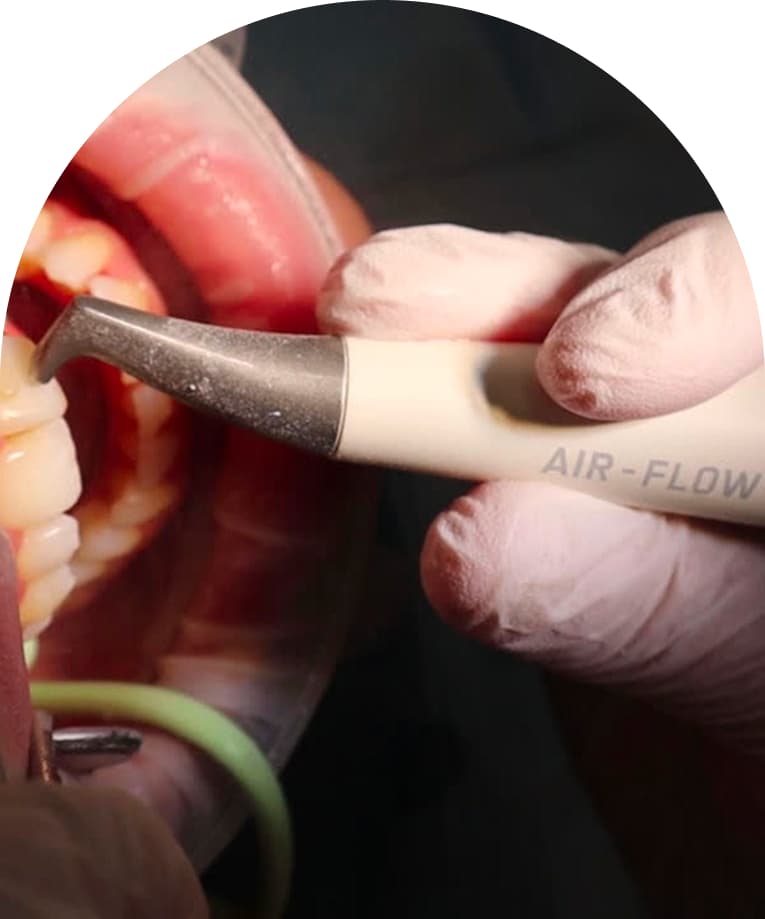
A maintenance programme that works: Regular reviews. Professional cleans. A simple home routine that fits your life.
Kind, clear communication: We explain your options in plain English. If you want more detail, we are happy to go deeper.
If you are thinking about dental implants in Ilkley, or you already have them and want a second opinion, come and see us. We will talk through your goals. We will plan with care. We will look after you long after the crown goes in. A confident, healthy smile is not a luxury. It is part of everyday life. We are here to help you keep it that way.
Conclusion
Most implant problems have clear causes and clear fixes. Keep plaque down. Keep reviews up. Spread bite forces well. Plan with care, then heal in peace. At Regent Dental, we put these steps into practice every day. The result is simple. Fewer problems, longer lasting implants, and smiles that feel like your own.