 (2).png)
Losing a tooth can knock your confidence as much as your bite. Dental implants can feel like a small miracle. They look natural and work hard, every single day. But what if something goes wrong. Can an implant be replaced. And if it can, how many times is sensible. There is no neat number. There is good planning, good science and a clear plan. At Regent Dental in Ilkley, we walk you through that plan with calm, simple guidance.
What A Dental Implant Is, And Why It Matters
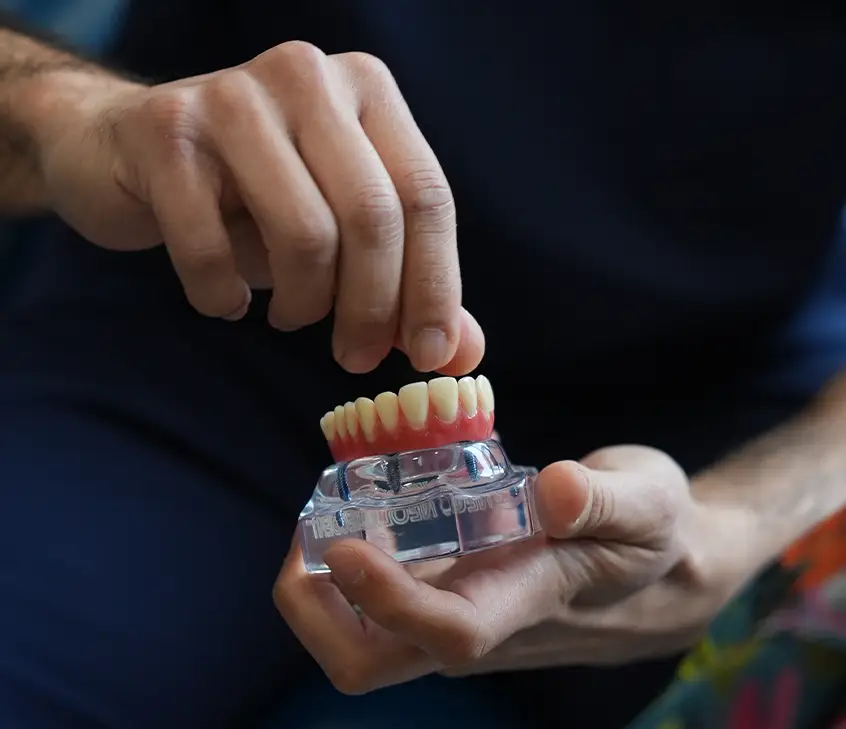
A dental implant is a small titanium post. It sits in the jaw and acts like a new root. On top of the post sits an abutment. On top of the abutment sits a crown. Sometimes that top part is a bridge, or a denture. The post is the base. The crown is the part you see and smile with.
The clever bit is osseointegration. That is when the bone bonds to the implant. When this takes place as planned, the post can last for decades. The crown or bridge may need a change sooner, often after 10 to 15 years. Teeth chew. Tea and coffee stain. Time does its work. Think of the implant as the foundation. Think of the crown as the roof. You can change a roof more than once if the base is strong.
How Long Dental Implants Last
Most implants do very well. Research shows a success rate of around 90 to 95 percent at 10 years when placed and cared for well. How long yours lasts depends on a few key points.
Surgical skill and planning. An experienced implant dentist, quality parts and a clear plan help a lot.
Oral hygiene. Daily brushing, interdental cleaning and regular hygienist visits protect bone and gums.
General health and habits. Smoking, uncontrolled diabetes and a history of gum disease raise the risk.
Bone quality and bite forces. Back teeth work harder. Heavy grinding puts more load on an implant.
Follow up care. Small problems found early are easier to fix.
Can A Dental Implant Be Replaced, And How Many Times Makes Sense
Short answer, yes. A failed implant can often be replaced. Longer answer, it depends on the cause of failure, on the bone and gums, and on how your bite behaves.
Early Failure, Before Or Soon After The Crown Goes On
Sometimes an implant does not bond to the bone. Sometimes an infection starts. When that happens, we remove the implant and let the site heal. We may rebuild the area with a bone graft. In the upper jaw we may carry out a sinus lift if needed. After healing, often several months, we can place a new implant. We may choose a slightly different position, size or design.
Late Failure, Years Down The Line
Problems that show later often link to peri implantitis. That is an infection that causes bone loss around an implant. Sometimes it links to heavy bite forces. If we catch it early, we treat the infection and try to stabilise the tissues. If the implant cannot be saved, we remove it and tidy the site. We then plan a replacement once the area is healthy again. We may adjust your bite. We may provide a nightguard if you grind. We may change the style of restoration to spread the load.
Practical Limits
Here is the honest bit. There is no hard number, but there is a point where it is no longer wise. Each removal and replacement can cost a little bone and soft tissue. One replacement is common and can work well. A second is sometimes possible with careful grafting and tight risk control. Beyond that, the returns go down. If the bone becomes thin or scarred, more attempts may not be smart.
At that point we look at choices that respect biology and protect your comfort. That might be an implant supported overdenture that uses fewer implants. It might be a fixed bridge. It might be a well made removable denture.
Why Implants Fail, And What We Can Control
Peri implantitis. Infection around the implant that causes bone loss. Hygiene support and regular checks help prevent this.
Mechanical overload. Heavy grinding, a high bite or a poorly shaped crown can stress the implant.
Poor integration. Sometimes the bone and implant do not bond, especially if the site is inflamed or unstable.
Bone loss over time. Untreated gum disease nearby, smoking or thin bone at the start can all play a part.
Fit and maintenance. Loose screws, fractured abutments or excess cement can irritate the tissues and start problems.
Getting Ready For An Implant Replacement
A careful reset sets you up for success. At Regent Dental, we take our time at the start.
A full assessment with 3D scans to measure bone and map nerves and sinuses.
Stabilising the site. We clear infection, calm the tissues and set a steady stage for healing.
Bone grafting or a sinus lift when needed to rebuild support.
Digital planning and, when helpful, guided surgery for precise placement.
Bite analysis and protective steps. A nightguard can help if you clench or grind.
A maintenance plan you can stick to. Prevention is not flashy, but it works.
When Another Implant Is Not The Best Next Step
Sometimes biology says, enough now. You still have strong, practical options.
Implant supported overdentures. Two to four implants can anchor a removable denture. The fit is secure. Bone demand is lower.
Fixed bridges. If the teeth next to the gap are strong, a bridge can be a neat solution without more implants.
Modern removable dentures. Lighter, better fitting and far more natural than you might expect.
The right choice is the one that fits your mouth, your timeline and your budget. It should help you smile without worry.
How To Help Your Implant Last For Years
Brush twice daily and clean around the implant. Use floss or interdental brushes.
See your dentist and hygienist on a regular plan. Three to six month reviews are common at first.
Do not smoke. If you do, we can help you cut down or quit.
Wear a nightguard if you grind or clench.
Be kind to your teeth. No cracking ice, pen chewing or opening packets.
Call us early if you notice redness, soreness, a bad taste or any movement. Small fixes beat big repairs.
A Note On Rhythm, Routine And Real Life
We get it, life is busy. School runs, long days, late nights. But a few steady habits make a big difference. A proper clean. A quick check in with our team. The odd tweak to your bite. These add years to your result. It is the simple stuff done well, again and again.
What To Expect If You Need A Replacement
First, a chat. We listen to your story and your goals. We review your health and habits. We look at what went wrong, not to blame, but to learn. Then we take scans and photos. We talk through your options with plain language and clear costs. No pressure. No rush. You leave with a plan that feels right to you.
If we go ahead with a replacement, we set a calm pace. Healing comes first. Then careful placement. Then a crown that suits your bite and your smile. We protect the result with reviews and support. If another route is better for your long term health, we say so, and we make that route look and feel as good as it can.
What Signs Mean Your Implant Needs Attention
Bleeding when you brush around the implant.
Red, puffy or tender gums.
A bad taste, or pus.
A loose crown, a chipped crown or a rattling feeling.
Pain when you bite, or a change in your bite.
Food packing that feels new.
Do not wait. Early care is simpler and cheaper. A short visit now can save you a bigger fix later.
Costs, Value And Peace Of Mind
Implant care is an investment. Replacement can add cost. The value lies in planning and prevention. Good cleaning gear at home. Regular hygienist care. A well made nightguard if you grind. These are small costs that protect a bigger one. We will always give you clear fees and staged options. You stay in control.
The Takeaway
Dental implants are a long term, natural feeling way to replace missing teeth. They can be replaced if needed, but there is not an endless number of tries. One replacement is common. A second can be possible with good planning and tight care.
Beyond that, we weigh up choices that protect your bone, your comfort and your peace of mind. At Regent Dental in Ilkley, we use careful checks, modern techniques and a kind, straight talking approach. We help you choose with confidence.
If you are worried about an implant, or you are weighing up your options after a failure, we are here to help. Calmly, clearly and without pressure.
About Regent Dental
Regent Dental is a modern dental and aesthetic clinic in Ilkley, West Yorkshire. Our implant dentists blend digital planning, gentle surgery and bespoke restorative work to give results that look good and last. From implant dentistry and bone grafting to general and cosmetic care, we build plans around you. Your timeline, your health and your goals. You are welcome to get in touch to learn more or to book a consultation with our friendly team.
Conclusion
Dental implants should feel stable, comfortable and part of you. If trouble starts, there is usually a safe route forward. Sometimes that is a like for like replacement. Sometimes it is a change of approach that keeps your smile strong for the long run. With clear advice, careful planning and steady aftercare, you can make the choice that suits you, and get back to eating, laughing and living with ease.