
If you live in the UK, you’ve probably heard the phrase “Turkey teeth”. It’s become shorthand for people flying to Turkey for veneers, crowns, or full smile makeovers. The draw is clear: lower prices, glossy clinics, fast results. And a holiday on top? Tempting, for sure.
Here’s the honest bit. It can work well for some people. But teeth are not a quick swap. They have to last. So it pays to look past the shiny after photos and dig into the details.
Let’s break it down.
What Do People Mean By “Turkey Teeth”?
“Turkey teeth” isn’t a dental term. It’s a cultural one. Most people use it to describe cosmetic dentistry done in Turkey—porcelain veneers, dental crowns, implants, and full smile makeovers. Some clinics do excellent work with strong planning and modern tech. Others, like anywhere, vary in training, approach, and results. That’s normal. But the range can be wide.
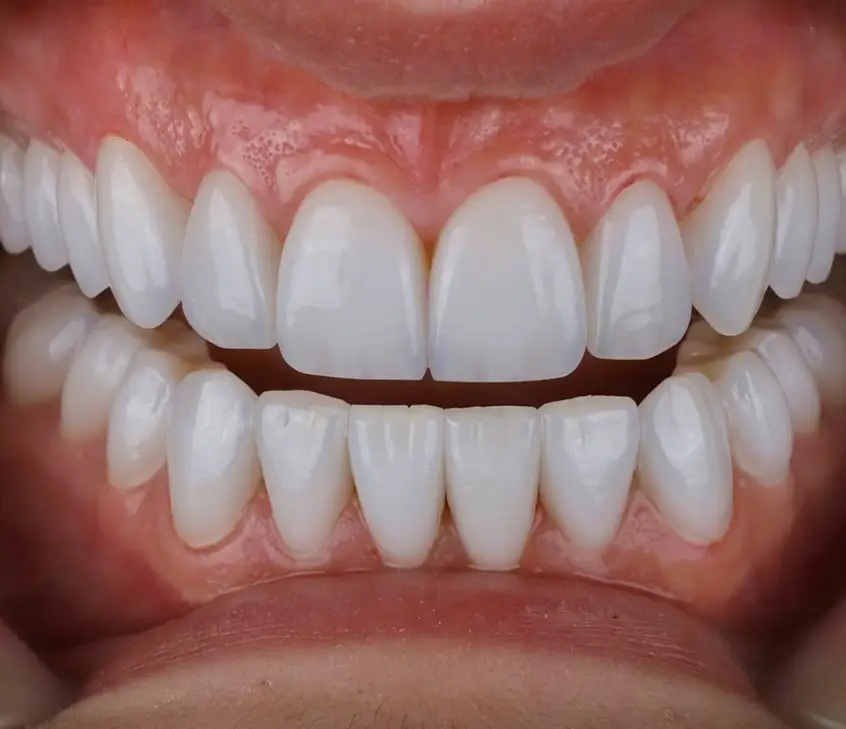
A quick word on treatments. Veneers are thin shells fixed to the front of a tooth. They should be light-touch. Minimal drilling. Crowns are different. They cap the whole tooth and often mean much more drilling. Online, the two get mixed up. If you see tiny “pegs” before treatment, that’s likely crown prep, not veneers. A small detail. A big impact on long-term tooth health and options.
Why Is Dental Tourism To Turkey So Popular?
Three main reasons: cost, speed, and convenience. Prices look much lower than in the UK. Treatment can be planned and done in days, not months. Many clinics include airport transfers and hotels. It all feels easy and sorted. Box ticked.
But look closer. Those prices are often “from” prices. They may not include X-rays, CT scans, sedation, root canal treatment if needed, gum care, temporary teeth, bite adjustments, or follow-up checks. In the UK, quotes usually reflect the full plan, because every mouth is different. That’s why you see a range. You can still save, yes. Just make sure you’re comparing like with like.
The Upside: Why Going To Turkey Can Work
Lower fees, modern kit: Many clinics use digital scanners, good labs, and strong materials. Some teams train internationally and keep up with new methods.
Fast access: No long waiting lists. If you’re ready, treatment can move quickly.
One-stop shops: Whitening, composite bonding, veneers, crowns, implants—often in one place.
A change of scene: For some, a week away reduces fear and stress. Sunshine can help the mood. No harm in that.
The Flip Side: What To Think About Before You Book
Quality Varies Everywhere
Regulation in Turkey is not the same as in the UK. That doesn’t mean bad. It means different. So do your homework. Check the dentist’s name, training, and experience—not only the clinic brand. Look for full case photos over time. Not just the day the teeth were fitted. Healed gums tell a story photos can hide.
Irreversibility And Tooth Structure
Here’s the bit that can sting. Teeth don’t grow back. Over-preparing teeth for a “perfect” look may feel fine at first. Years later, those teeth might need root canal treatment, replacement crowns, or more complex work. Ask plainly: why crowns and not veneers? Why veneers and not bonding or ortho? Conservative dentistry keeps options open. Aggressive dentistry closes doors.
Aftercare And Repairs Back Home
Most problems don’t show up on day one. A veneer may chip. A crown might feel high. A gum edge could look red. Who sees you when you’re home? Some UK practices won’t adjust complex work from abroad because it shifts responsibility and risk. Others will, but at UK fees. Build that into your budget. Repairs and maintenance are part of the deal.
Bite, Gum Health, And Longevity
A smile has to work as well as look good. Your bite matters. So does gum health and how easy it is to clean around the edges. Porcelain doesn’t decay. Teeth do. Expect maintenance. With good care, porcelain can last 10–15 years. Then it needs replacing. Plan for that life cycle now, not later.
Language And Consent
You must know what you’re agreeing to. In writing. In a language you fully understand. Materials, lab name, guarantees, realistic lifespan, and what happens if something breaks. No vague promises. Clear, written consent is your safety net.
Travel And Health Admin
Most travel insurance won’t cover private dental complications. GHIC/EHIC doesn’t apply. If you’re having surgery or implants, you’ll need recovery time. You’ll also need to avoid smoking, heavy drinking, and sun on the face for a while. Not ideal if you were picturing pool days and cocktails. Be honest about your plans.
How To Stack The Odds In Your Favour
Research like a pro: Don’t stop at Instagram reels. Ask for full case galleries, including close-ups of gum edges and healed results. Seek independent reviews, not only the clinic’s site.
Get two or three opinions: Speak to a UK dentist and at least one overseas dentist. If plans differ a lot, ask why and what that means for your teeth long term.
Ask conservative first: Could whitening, orthodontics, or composite bonding get you most of the result with far less drilling? Often, yes. The good news? You can apply this anywhere.
Know your plan: Veneers or crowns? Which teeth? What material? What cement? What if you grind your teeth? Will you get a night guard? Simple questions. Big answers.
Insist on a mock-up: A digital design or a wax-up lets you test shapes and lengths before anything permanent. Try before you buy. Your future self will thank you.
Budget for the real total: Add flights, hotels, scans, emergency costs, and likely UK aftercare. It’s the true price, not the headline price, that matters.
Plan follow-up: Agree how reviews, bite checks, and small tweaks will be handled when you’re home. Remote care has limits. Know who will see you in person.
Two Real-World Snapshots
Sophie, 29, from Leeds, had mild crowding and short front teeth. She chose whitening and minimal-prep veneers in Turkey. The dentist shared a mock-up first, then kept the drilling light. She kept most of her tooth structure and came home happy. She wears a night guard and sees her UK hygienist every three months. So far, so good. She says the prep visit felt calm and clear. No surprises.
Mark, 42, from Harrogate, wanted a brighter, wider smile. He came back with full crowns on most teeth. It looked great at first. Six months later, he had sensitivity and bite pain. A UK dentist adjusted several crowns and treated one tooth with root canal work. The smile still looks good, but the total cost rose. His words, not ours: “I wish I’d tried a lighter plan first.”
Prefer To Stay Local? Sensible, And Often Simpler
If cost is the hurdle, don’t write off UK care. There are routes that protect your teeth and your wallet.
Phased treatment: Spread a smile makeover over time. Start with hygiene and whitening. Add bonding or a few veneers later. Slow is smooth.
Orthodontics first: Aligners or braces can set up a far more conservative finish. Less drilling. Better bite. Healthier gums.
Composite bonding: A kind, reversible way to test new shapes before porcelain. You can refine as you go. Tweak, don’t leap.
Transparent finance: Many UK practices offer payment plans for cosmetic work. Clear terms. No flights. No jet lag.
Second opinions: A candid chat can save enamel and money. Sometimes the best “yes” starts with a “not yet”.
So, Is “Turkey Teeth” A Good Idea?
It can be—if the plan fits your mouth, the dentist is well-qualified, and you know exactly what’s being done and why. A great smile should look good, feel comfortable, and age well. That means a plan that respects your bite, your gums, and your future. The rush? That’s where regret creeps in.
The simple truth: the best dentistry is the least dentistry that gets you the result you want.
Closer To Home With Regent Dental, Ilkley
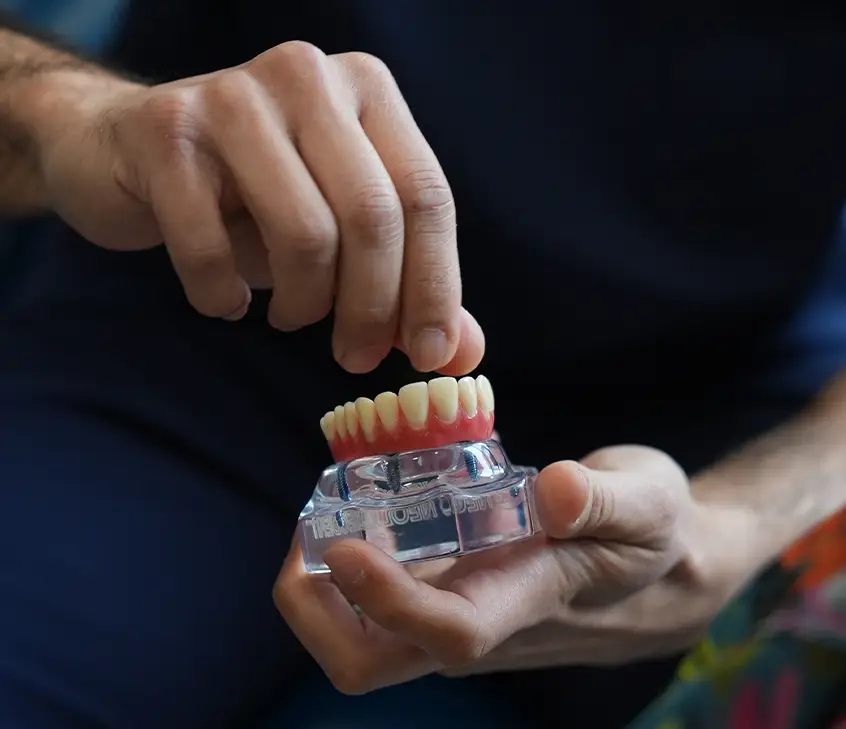
At Regent Dental in Ilkley, we get the pull of a bargain and a beach. We also know the value of careful planning, clear communication, and steady aftercare. Our team provides general and cosmetic dentistry—whitening, composite bonding, porcelain veneers, crowns, and dental implants—using digital scanning and modern techniques. We focus on conservative treatment and long-term comfort. No pressure. No drama. Just good planning and honest advice.
If you want options, not a sales pitch, come in for a chat. We’ll map your goals, show you what’s realistic, and build a plan that fits your life and budget. We’ll also talk maintenance and lifespan, so you know the full picture from day one. No flights, no guesswork—just a calm, local path to a confident smile that still feels like you in ten years’ time.
Conclusion
“Turkey teeth” isn’t good or bad on its own. It’s a route. For some, it delivers great results at a lower price. For others, it brings hidden costs and tricky aftercare.
The key is fit: the right plan, the right dentist, and clear consent.
Ask for conservative options first. Check the bite, the gums, and the follow-up. And if you’d rather keep things local, Regent Dental in Ilkley can guide you step by step—at your pace, with your long-term health in mind.